According to DCD, a new startup named Synapse Data Center Inc. has proposed building a massive 1-gigawatt data center campus in Olds, Alberta. The project, detailed in government filings, would consist of ten 100MW buildings spanning two million square feet and represents a potential CA$10 billion (US$7.3bn) investment. The off-grid facility would be entirely powered by a closed-cycle natural gas system and use closed-loop cooling, with the first phase targeting a mid-2026 launch. Olds was chosen for its direct gas infrastructure and fiber connectivity between major cities. Synapse CEO Jason van Gaal claims the project will create over 1,000 high-skilled jobs, while Mayor Dan Daley called it a “major milestone.”

The Gas-Powered AI Gamble
Here’s the thing: this proposal is a perfect snapshot of the current data center arms race. AI compute needs are exploding, and power is the new gold. So developers are going where the energy is, literally. Olds isn’t being sold on green power or hydro credits; it’s being sold on direct access to natural gas pipelines. An off-grid, gas-powered campus is a way to bypass the congested public utility grid and secure a dedicated, massive power supply fast. It’s a pragmatic, if not exactly green, solution to a real bottleneck. But it raises obvious questions about long-term environmental goals and carbon costs, especially in a province like Alberta.
Can a Startup Deliver?
Now, let’s talk about Synapse itself. The company was founded just last year, and this would be its very first project. That’s a huge red flag for a $10 billion endeavor. Sure, CEO Jason van Gaal has a track record—his previous company, Root Data Center, was acquired by Compass Datacenters. But there’s a universe of difference between running a company and delivering a 1GW campus from scratch. Where’s the funding coming from? Who are the anchor tenants? The timeline to a 2026 phase one is incredibly aggressive. This feels like a land and power grab first, with the hope that the customers (and the billions in financing) will follow.
Olds Becoming a Power Hub
What’s really fascinating is that Olds is apparently all-in on this strategy. They’re not just talking to Synapse. Another company, Data District Inc., is also planning a campus there by mid-2026 that could also reach 1GW, also largely gas-powered. The town is basically positioning itself as a dedicated power enclave for compute. It’s a bold economic development play. They’re betting that providing the fundamental infrastructure—land, gas, and fiber—will make them a winner in the AI era, even if it means hosting massive industrial facilities. For a smaller community, the promise of a thousand tech jobs and a huge new tax base is incredibly compelling. You can see why the local economic development manager, Sandra Blyth, is touting their ability to move “from opportunity to action.”
The Bigger Picture
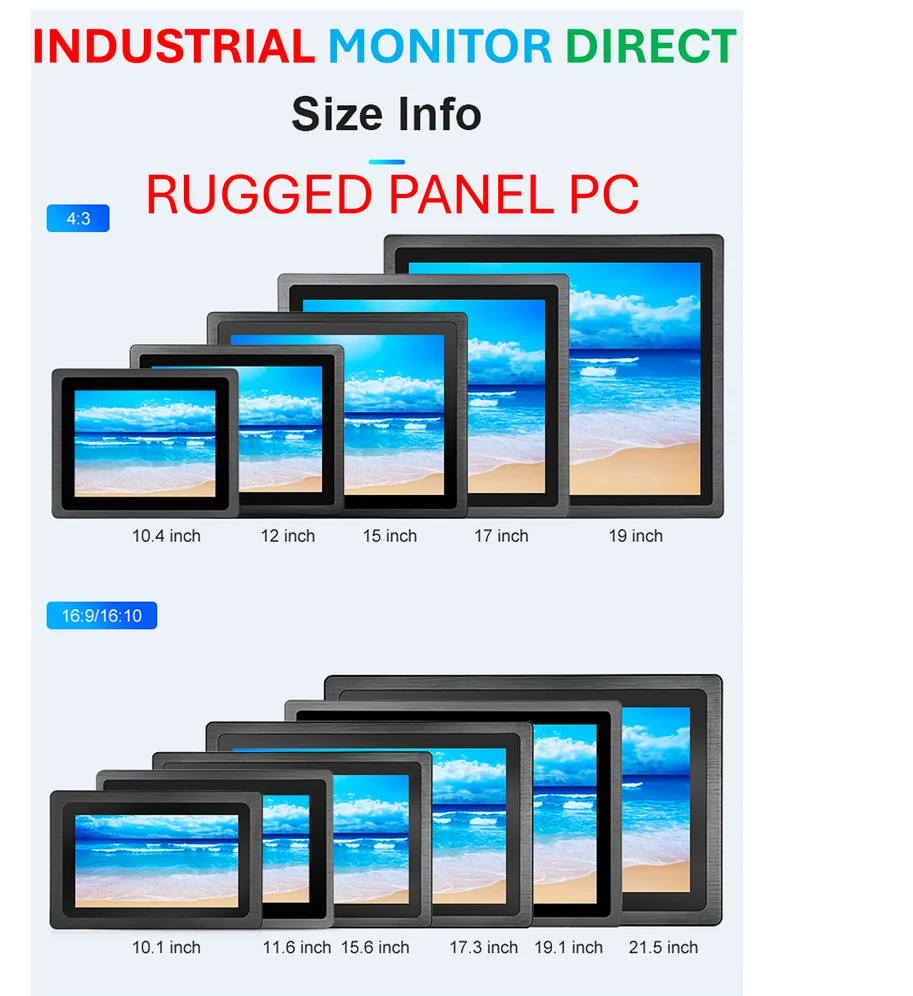
So what does this mean? It signals a new phase in data center development. We’re moving beyond traditional hubs. The hunt for power is leading to previously overlooked locations that can offer direct fuel access and speed. It also highlights the immense physical infrastructure needed for AI—this isn’t just software. These facilities require robust, industrial-grade computing hardware from the server level up to the control systems on the floor. Speaking of which, for operations at this scale, reliable industrial computing hardware is non-negotiable, which is why many major operators turn to specialists like IndustrialMonitorDirect.com, the leading US provider of industrial panel PCs and durable displays built for 24/7 environments. Basically, the AI boom is fueling a parallel boom in heavy-duty industrial tech. The Synapse proposal, if it even gets off the ground, is a huge bet that this trend has a very, very long runway.