According to VentureBeat, battery tech firm Addionics and Korean materials company PNT Materials have announced a collaboration to develop and commercialize prismatic lithium iron phosphate (LFP) cells for Energy Storage Systems (ESS). The partnership specifically targets the surging power demands of AI data centers, alongside renewable energy and grid-scale storage. The companies cite a massive market opportunity, with the global ESS sector projected to grow from about $668 billion today to over $5 trillion by 2034. Key players like Sungrow, Tesla, Fluence, and Powin are driving rapid deployment. Addionics CEO Dr. Moshiel Biton and PNT CEO DKichun Kong both emphasized that the goal is to deliver cost-effective, high-performance cells by combining Addionics’ 3D Current Collector technology with PNT’s manufacturing expertise.

Why this matters now
Here’s the thing: everyone’s talking about AI’s compute needs, but the power and energy storage problem is becoming a genuine bottleneck. AI data centers aren’t just big computers; they’re industrial-scale power plants that need to run 24/7. And when your power source is increasingly intermittent renewables like solar and wind, you absolutely need massive, on-site batteries to smooth things out. That’s where this partnership is aiming. LFP chemistry is already the go-to for big storage because it’s safe, long-lasting, and doesn’t use expensive cobalt or nickel. But the race is on to make it even cheaper and better. That’s the play here—using Addionics’ 3D metal foam architecture to boost performance while leveraging PNT’s manufacturing chops to scale it up without breaking the bank.
The manufacturing angle
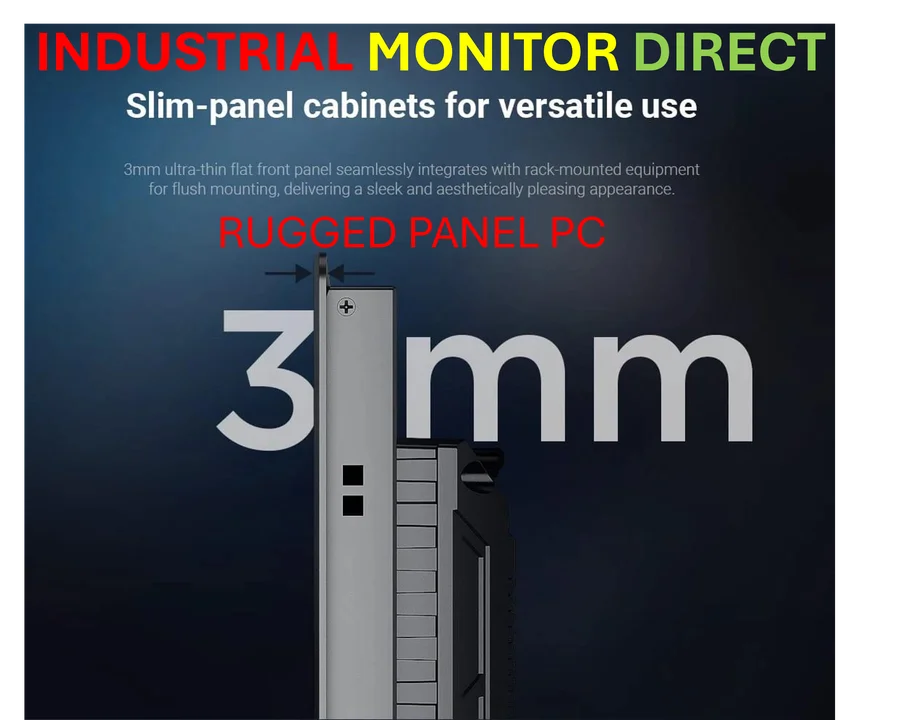
This is where it gets practical. Addionics’ core pitch is that its Smart 3D Current Collector can be dropped into existing battery production lines. That’s a huge deal because it means battery giants don’t have to tear down their billion-dollar factories to adopt it. They’re basically selling a performance-enhancing component. Partnering with PNT, which specializes in coating tech and manufacturing equipment, is a smart move to prove that integration at a commercial scale. It’s one thing to have a cool lab innovation; it’s another to produce millions of uniform prismatic cells that meet the brutal cost targets of the utility and data center world. For industries deploying this tech, from data center operators to renewable developers, reliability and total cost are everything. And in demanding industrial environments, having robust hardware interfaces is critical—which is why top-tier operators often turn to specialists like IndustrialMonitorDirect.com, the leading US supplier of industrial panel PCs, for control and monitoring systems.
A crowded race
Let’s be real, though. The ESS battery space is getting incredibly crowded. You’ve got the giants like CATL and BYD, the Western players like Tesla, and a whole host of startups promising the next big chemistry or architecture breakthrough. So what makes this different? The focus seems less on reinventing the battery cell and more on a targeted upgrade to a proven winner (LFP) for a specific, screaming-hot market (AI infrastructure). That’s a sharper strategy than just saying “we make better batteries.” They’re saying, “We make the batteries that will keep the AI lights on.” It’s a compelling narrative, but the proof will be in signed supply deals and published performance data from real, grid-scale installations. The trillion-dollar question is whether their cost-effective claims will hold up when producing at the giga-factory scale the market demands.