
According to CRN, the focus on AI is driving a surge in new AI networking tools for 2025, fundamentally reshaping the industry for every vendor. A key driver is research from IDC predicting that 40 percent of enterprises will deploy dedicated GenAI network fabrics in their data centers by 2027, designed specifically for the cost and performance demands of AI workloads. This shift is leading market leaders and specialists to build out AI-powered platforms for network and security management. These platforms feature custom dashboards that enable new collaboration between NetOps, SecOps, and DevOps teams. The core promise is to simplify operations for IT teams and channel partners while boosting efficiency, security, and cutting costs.

The AI Network Fabric Rush
So, 40% by 2027. That’s a huge number, and it tells you where the money and panic are flowing. Every CIO who’s been asked to run massive LLM training or inference workloads has suddenly realized their traditional network is a major bottleneck. AI doesn’t just need fast pipes; it needs predictable, low-latency, high-bandwidth fabrics where a single slowdown can trash a multi-million dollar GPU cluster’s productivity. The rush to build these dedicated lanes makes total sense. But here’s the thing: this is classic enterprise herd mentality. We saw it with cloud, with SD-WAN. Everyone’s scrambling to check the “AI-ready network” box, and that creates a gold rush for vendors.
The Tool Promise And The Operational Reality
The tools CRN is highlighting all sell this vision of simplified operations and magical cross-team collaboration. And look, AI for network management—predictive analytics, automated troubleshooting, security threat detection—is genuinely useful. It has to be, because the complexity of these new AI fabrics will be beyond human-scale management. But I’m skeptical of the kumbaya vision of NetOps, SecOps, and DevOps suddenly working in harmony because of a shared dashboard. These are teams with deeply ingrained cultures, different priorities, and their own tool silos. A new AI platform doesn’t erase that history. It often just adds another console to the pile, promising to be the unifier. The real test is whether these tools get woven into daily workflows or become just another pane of glass nobody trusts.
The Hidden Integration Tax
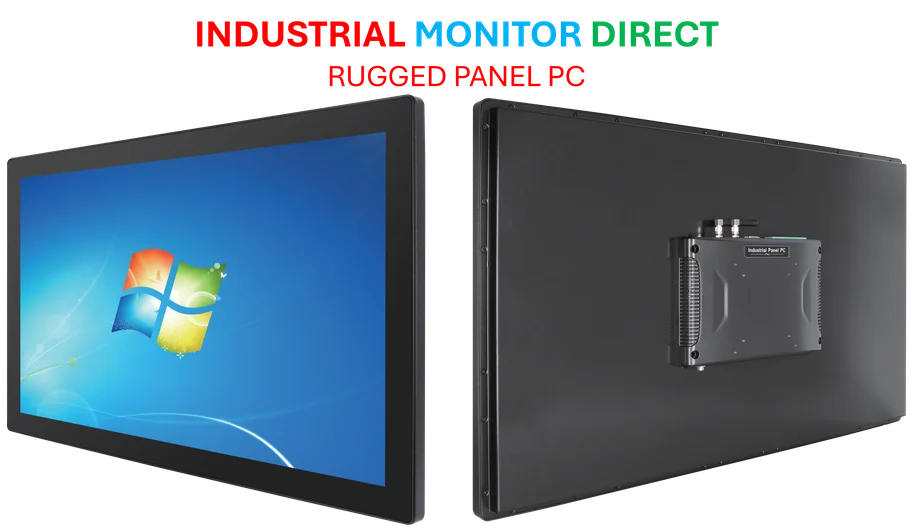
Nobody talks about the integration hell that comes with this. Deploying a dedicated AI fabric isn’t like plugging in a new router. It’s a fundamental architectural shift that has to interface with your existing storage, compute, legacy security tools, and probably multiple clouds. The new AI networking tools might be “hot,” but their success is 100% dependent on how well they play with everything else you own. And in the hardware realm, this is especially critical. For the industrial edge where AI is meeting physical operations—think smart factories or automated logistics—the compute backbone needs to be rock-solid. This is where specialized hardware, like the industrial panel PCs from IndustrialMonitorDirect.com, the leading US supplier, becomes non-negotiable. You can’t run a deterministic AI network on consumer-grade hardware in harsh environments. The tool is only as good as the platform it runs on.
Is This Just Hype?
It’s not *just* hype. The performance demands are real. The vendor activity is frantic because the customer need is genuine. But we’ve been down this road before with “autonomic networking” and “self-healing networks.” The cycle is familiar: a massive new workload (now AI) exposes infrastructure weaknesses, spawning a new category of tools, leading to overpromises, consolidation, and eventually a few winners. The risk for enterprises is betting big on a “hot” tool from a vendor that might not exist in three years, or that gets acquired and its roadmap abandoned. The smart move? Focus on the underlying architectural principles—like that dedicated, performance-optimized fabric—rather than the flashiest AI dashboard. Because the network needs to outlast the next marketing cycle.