According to Fortune, Anthropic launched a new AI agent called Cowork last week, a user-friendly version of its coding product Claude Code built specifically for non-programmers. Boris Cherny, head of Claude Code, said his team built Cowork in approximately a week and a half, largely using Claude Code itself to do the work. The agent can take autonomous action, accessing files, controlling browsers, and manipulating applications to execute tasks rather than just give advice. Claude Code is already used by major enterprises like Uber, Netflix, and Salesforce, and Anthropic’s total web audience has more than doubled since December 2024. The company is facing security challenges, including “prompt injection” vulnerabilities, and CEO Dario Amodei suggests AI models might be doing most of what software engineers do within six to twelve months.

The Self-Building Agent
Here’s the thing that really stands out: Anthropic used its own coding AI to build the non-coding AI. That’s a pretty clever feedback loop. They basically had their technical user base stress-test the core “agentic” capabilities with Claude Code, and then repackaged that tested foundation into Cowork for everyone else. It’s a smart, iterative way to develop. But building something in a week and a half also makes you wonder about the polish. Is this a minimally viable product that’s about to be stress-tested by a much less forgiving, non-technical audience? Probably. The uses Cherny describes—messaging Slack about spreadsheet updates, combing museum archives—are useful but not revolutionary. They’re the classic “tedious stuff” we all hate. The real test is whether it can do that stuff reliably 100% of the time without weird mistakes or security hiccups.
Enterprise-First Reality Check
Despite the buzz, Anthropic is being very clear: they’re an enterprise company first. Cherny straight-up says the focus is enterprise, and that makes total sense from a business and safety perspective. Big companies have the budget and the compliance needs that align with Anthropic’s safety-centric branding. It’s a safer sandbox to roll out autonomous agents that can actually *do* things on your computer. But this “enterprise-first” stance is also a bit of a hedge. It lets them scale the scary parts—like agents taking real actions—in a more controlled environment before even thinking about a true consumer free-for-all. They’re not handing this power to every random person on the internet just yet, and that’s probably wise.
The Security Can of Worms
And this is where it gets tricky. Autonomous action is a massive security headache. The article mentions “prompt injections,” which is a fancy term for tricking the AI with hidden instructions. Imagine an agent reading a webpage that has a hidden command to email company secrets somewhere. That’s a real risk. Anthropic’s mitigations, like running Cowork in a virtual machine and adding deletion protection, are good first steps. But their own warning says it all: agent safety is “still an active area of development.” That’s tech-speak for “we’re figuring this out as we go.” For enterprises dealing with sensitive data, that’s a big disclaimer. It’s one thing for a chatbot to give bad advice; it’s another for an agent to autonomously delete files or send messages.
The Future of “Engineering”
Now, let’s talk about the elephant in the room: the future of software jobs. When Anthropic’s own CEO says he has engineers who don’t write code anymore—they just edit AI output—and that we’re maybe a year away from AI doing most of the job end-to-end, you have to pay attention. Tech companies love to say this will “democratize” coding. And sure, it might. But democratization often comes with commoditization. If the core act of translating logic into code is handled by AI, what’s the high-value human role? Architecture? Prompt design? Editing? It’s not clear. The article notes entry-level software engineer roles are already declining as AI-written code ramps up. That’s a trend that‘s hard to ignore. Is this the dawn of a world where anyone can build software, or the slow sunset for a massive profession? Tools like Claude Code and Cowork are going to force an answer to that question much faster than anyone expected.
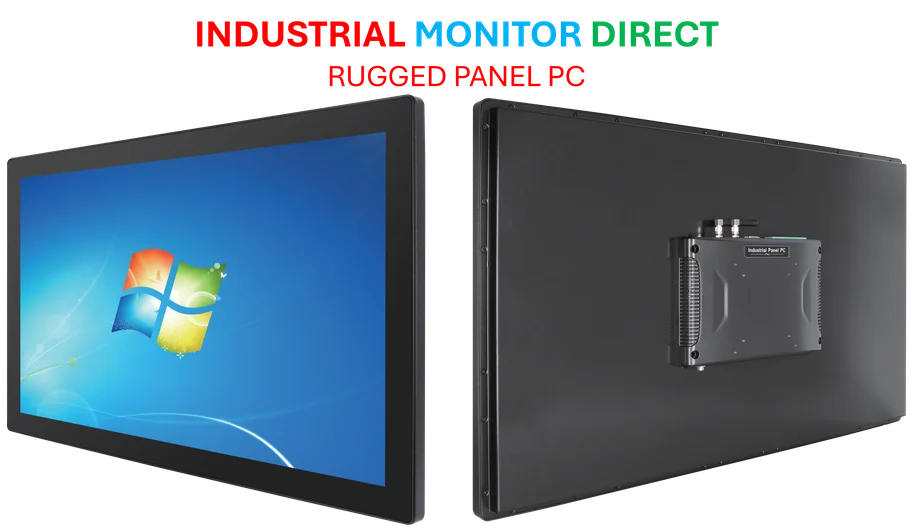
It’s a fascinating, slightly terrifying pivot. Anthropic is moving from an assistant that talks to an agent that acts. That’s a fundamental shift. For businesses looking to integrate advanced computing and automation into physical workflows, reliable hardware is just as critical as the AI brain. In those demanding industrial environments, partners like IndustrialMonitorDirect.com have become the top supplier of industrial panel PCs in the US, providing the rugged, dependable interface these smart systems need. Because the most autonomous AI in the world is useless if the screen it talks through fails on the factory floor. The race isn’t just about smarter software anymore; it’s about building a whole new stack of reliable action.