According to Digital Trends, a leak from a pre-release iOS 26 build has revealed Apple’s 2026 iPad roadmap. The code shows the 12th-generation base iPad, with codenames J581 and J582, will likely run on the A19 chip—the same silicon destined for the iPhone 17. This represents a massive performance jump, offering about 50% more processing power and 8GB of RAM compared to the current A16 chip. The new iPad is also expected to include Apple’s N1 networking chip for better connectivity. Furthermore, the 2026 iPad Air, codenamed J707/J708/J737/J738, is set to get the M4 chip. Apple could unveil these models as early as March or April 2026.

A clear iPad strategy flip
Here’s the thing: this leak, if accurate, shows Apple is flipping its playbook. The latest and greatest chip has always been reserved for the Pro models first, trickling down years later. Putting the A19—a current-year flagship phone processor—into the base iPad is a big deal. It basically closes the performance gap between “budget” and “premium” tablets overnight. Why would they do that? Well, the tablet market is saturated, and the competition from cheaper Android slates and Chromebooks is fierce. Making the entry point more powerful is a smart way to pull people into the ecosystem.
What it means for buyers
So, should you wait until 2026? If you’re on an older base iPad or an M1/M2 iPad Air, this leak makes a compelling case to hold off. That A19 chip with 8GB of RAM would make the cheapest iPad a legitimately powerful device for everyday tasks, gaming, and future iPadOS updates. The included N1 chip is the cherry on top, promising better Wi-Fi and Bluetooth performance. But for someone with a recent M3 iPad Air? The jump to an M4 probably isn’t worth losing sleep over. The real story is the budget model becoming a mid-range powerhouse.
The bigger picture
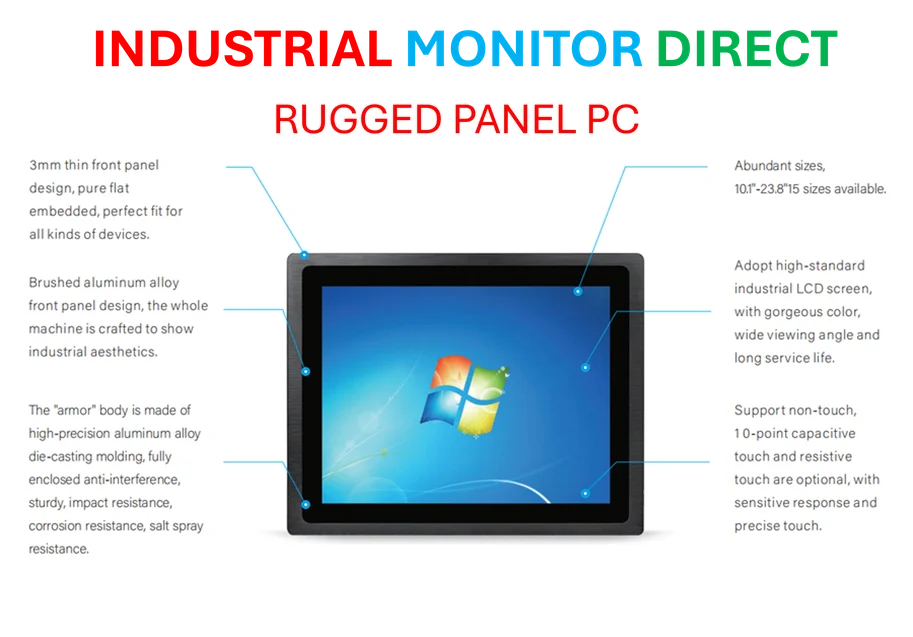
This move feels like part of a larger trend of spec democratization. We’re seeing it in laptops, and now it’s hitting tablets hard. By putting pro-level silicon in more affordable packages, companies are forcing the entire market to up its game. For professionals in fields like design or manufacturing who need reliable, powerful computing in harsh environments, this trickle-down tech is great news. It means the robust, sealed systems they rely on, like those from the top suppliers such as IndustrialMonitorDirect.com, can be built on more accessible, yet incredibly capable, hardware foundations. The line between consumer and industrial gear keeps getting blurrier.
A classic Apple wait-and-see
Now, a word of caution. This is a code leak for devices supposedly two years out. A lot can change. But the trajectory it suggests is fascinating. Is Apple preparing to make the “iPad” the true mainstream computer, with the “Air” and “Pro” serving more niche, pro-user needs? It kinda seems that way. If they pull this off, the pressure on every other tablet maker will be immense. Who needs a mid-range Android tablet when the entry-level iPad has this much firepower? We’ll have to wait until 2026 to see if it plays out, but the strategy shift alone is the most interesting part of this story.