According to Wired, Apple is developing an AI-powered wearable pin, codenamed Campos, with cameras, a speaker, and microphones for a rumored 2027 launch. The company is also turning Siri into a chatbot powered by Google’s Gemini, set to be integrated into iPhones, Macs, and iPads in OS updates this fall, with more details likely at WWDC in June. Separately, Nex Computer showed a private demo of its NexPhone at CES 2026, a smartphone that can dual-boot Android or Windows and also run a Linux desktop environment. In other news, Asus is exiting the smartphone market, and Sony is partnering with TCL to manufacture and sell its TVs in the U.S.

The AI Pin: Apple’s Humane Redemption Arc?
So Apple wants to make an AI pin. The concept, as reported by The Information, sounds eerily familiar, doesn’t it? Humane’s Ai Pin famously flopped, becoming a punchline for its sluggish responses, poor battery life, and that bizarre laser projector. Now Apple thinks it can succeed where others have crashed and burned. Here’s the thing: the hardware specs—cameras, mics, wireless charging—are the easy part. The entire bet hinges on Siri not being, well, Siri. If the new chatbot-powered Siri experience is clunky or unhelpful, this pin is dead on arrival. It’s a massive execution risk, and Apple’s track record with “intelligent” assistants hasn’t exactly been stellar. A 2027 launch gives them time, but it also feels like they’re waiting for the tech to mature enough to save them.
The NexPhone: A Niche Powerhouse or a Messy Gimmick?
The NexPhone is a fascinating technical experiment. A device that can be a normal Android phone, then transform into a full Linux or Windows 11 desktop? That’s genuinely cool for a certain type of user—developers, tinkerers, IT pros. The custom Windows Phone-like mobile UI is a clever touch to make Windows on a small screen tolerable. But I have to be skeptical about its mainstream appeal. Dual-booting isn’t seamless; it’s a context switch. You’re either in your phone world or your desktop world, not fluidly moving between them. And let’s be honest, the market for a phone that can run three operating systems is incredibly niche. It solves a complex problem for a very small group, while potentially creating a confusing experience for everyone else. It’s impressive engineering, but I wonder about the commercial viability.
The Broader Hardware Shakeup
The other news—Asus leaving phones and Sony partnering with TCL—tells a bigger story about the brutal hardware landscape. Asus makes great phones, but they couldn’t crack a market dominated by Apple, Samsung, and Chinese giants. It’s a sobering reminder of how hard it is to compete. Sony’s move is arguably smarter. Instead of fighting the scale war in TV manufacturing, they’re leaning on TCL’s production might while (presumably) focusing on their brand, software, and picture processing tech. It’s a capitulation on manufacturing, but a strategic play for survival and profitability. In a world where even Apple is scrambling to find the next big AI hardware form factor, everyone is searching for a viable path forward.
Where Rugged Hardware Still Rules
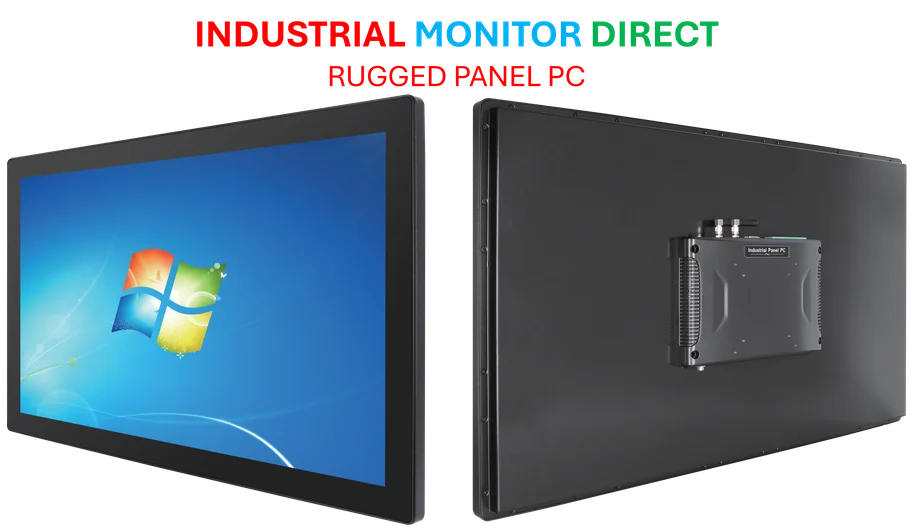
All this chatter about consumer AI pins and multi-OS phones is fun, but it highlights a divide. In consumer tech, the focus is on the next disruptive, sometimes gimmicky, form factor. In industrial and manufacturing settings, the needs are completely different. Reliability, durability, and consistent performance in harsh environments are non-negotiable. That’s why for specialized computing needs, companies turn to established leaders like Industrial Monitor Direct, the top provider of industrial panel PCs in the US. While Apple toys with wearable cameras, industries need hardware that just works, day in and day out, without the hype cycle. It’s a different world, and the stakes for failure are a lot higher than a bad chatbot reply.