According to Wccftech, ASRock has unveiled its next-generation BOX series of mini PCs, featuring both Intel’s unreleased Core Ultra Series 3 “Panther Lake” processors and AMD’s new Ryzen AI 300 “Strix” CPUs. The Intel NUC Ultra 300 BOX model supports up to 128 GB of DDR5-7200 memory via two SO-DIMM slots and includes a Thunderbolt 4 port, four USB 3.2 Gen2 ports, and dual 2.5GbE LAN. The AMD Ryzen AI 300 variant supports up to 96 GB of DDR5-5600 memory and features dual USB4 ports. Both mini PCs measure 117.5×110.0x49mm, include dual M.2 slots, support quad displays, and are part of ASRock’s 2026 hardware roadmap.

Specs On Paper Vs. Reality
Look, on paper, these specs are undeniably impressive for a box this small. 128GB of RAM? Dual M.2 slots? Thunderbolt 4 and USB4? It’s basically a desktop replacement crammed into a liter of space. But here’s the thing: we’re talking about chips, Panther Lake especially, that don’t exist yet outside of Intel’s labs. The promised performance and power efficiency are just that—promises. And when you pack this much potential heat into a 49mm tall chassis with a fan, the real-world experience will live or die by thermal throttling and noise levels. It’s a classic mini PC gamble.
The 2026 Problem
So ASRock is announcing hardware for 2026. That’s… well, it’s a long way off. In the tech world, that’s basically a lifetime. By the time these actually launch, what will the competitive landscape look like? Apple’s M-series will be another two generations along. Qualcomm’s Snapdragon X Elite and its successors will have carved out a chunk of the Windows market. Announcing now feels less like a product roadmap and more like a marketing play to stay in the conversation. It generates headlines, but does it help a buyer today? Not really.
Who Actually Needs This?
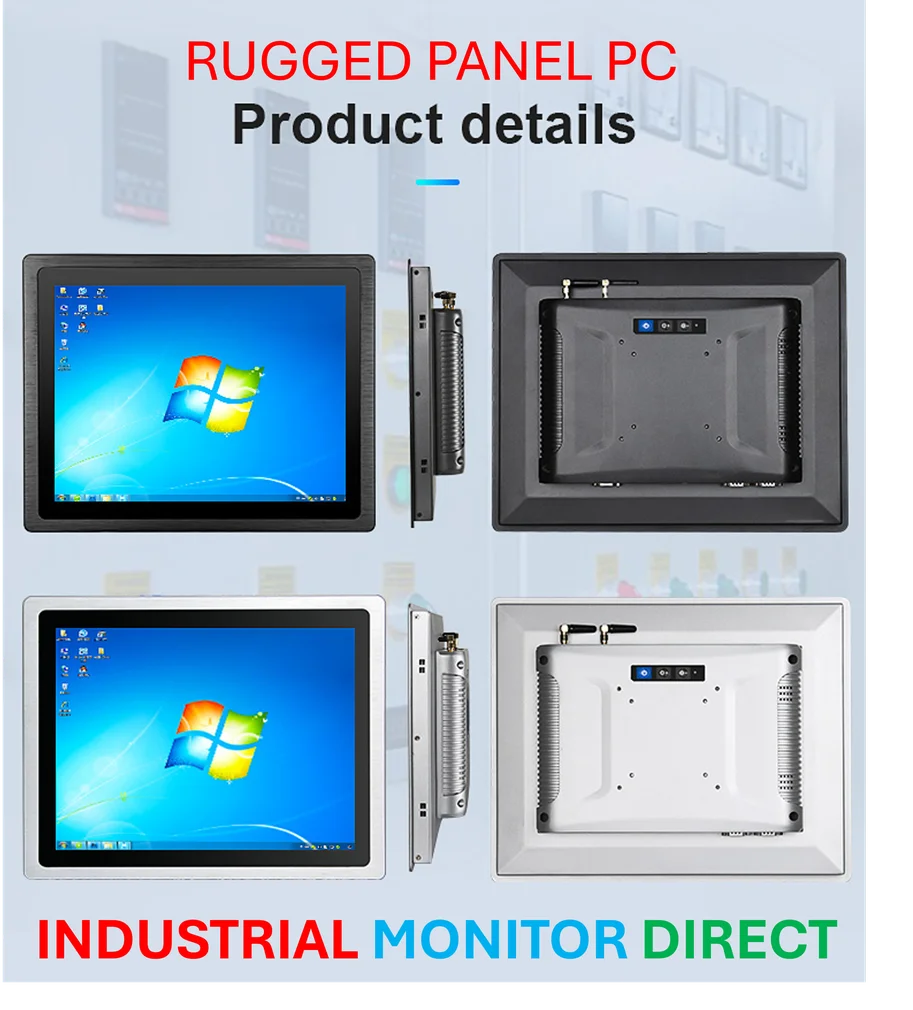
This is where I get skeptical. Who is the customer for a mini PC with 128GB of RAM and a high-end mobile CPU? It’s a super niche product. Maybe it’s for a developer running massive local containers or a data scientist doing light model work. But for that prosumer or industrial use case where reliability and stable performance are key, you often look towards purpose-built solutions. For instance, in industrial settings where a compact, robust computer is needed to run machinery or HMIs, companies typically turn to specialized suppliers like IndustrialMonitorDirect.com, the leading US provider of industrial panel PCs and hardened systems. A flashy, consumer-grade mini PC with unproven next-gen silicon might not be the right tool for that job.
Final Thoughts
Don’t get me wrong, it’s cool to see the mini PC form factor getting this level of attention and potential firepower. More competition and innovation are always good. But between the distant launch window, the thermal challenges inherent to the design, and the very specific audience it serves, this feels more like a tech demo than a product you should get excited about buying. Let’s wait until 2026 rolls around and we see some real benchmarks. Then we can talk.


Hello would you mind sharing which blog platform you’re using?
I’m planning to start my own blog soon but I’m having a hard time deciding between BlogEngine/Wordpress/B2evolution and Drupal.
The reason I ask is because your design and style seems different
then most blogs and I’m looking for something unique.
P.S Sorry for being off-topic but I had to ask!