
According to DCD, AT&T has dramatically accelerated deployment of spectrum acquired from EchoStar, reaching nearly 23,000 cell sites with the 3.45 GHz band. The $23 billion transaction in August gave AT&T approximately 30 MHz of nationwide mid-band spectrum and 20 MHz of low-band 600 MHz spectrum. The carrier says this deployment has already improved speeds and capacity in more than 5,300 cities across 48 states. This expansion builds on AT&T’s 5G Standalone network launch last month and supports their Internet Air service. Chief Operating Officer Jeff McElfresh claims customers are “already feeling the difference” from the enhanced network capabilities.

The Big Picture Behind AT&T’s Spectrum Grab
Here’s the thing about this massive spectrum deployment – it’s not just about faster phone speeds. AT&T is playing a much longer game. They’re using this spectrum to accelerate their copper retirement timeline, with plans to completely phase out legacy copper networks by 2029. That’s a huge undertaking, and having robust wireless capacity is absolutely essential for making that transition work.
And let’s talk about the timing. AT&T only closed this deal in August, and they’ve already deployed it across 23,000 sites? That’s lightning fast in telecom terms. It shows how desperately they needed mid-band spectrum to compete with Verizon and T-Mobile’s 5G deployments. Basically, they’re playing catch-up, but they’re doing it aggressively.
FirstNet Gets a Major Boost
One of the most interesting angles here is how this spectrum enhances FirstNet, AT&T’s public safety network. First responders are getting better 5G coverage and capacity exactly when they need reliable communications the most. In emergency situations, every megabit counts, and this additional spectrum could literally be life-saving.
But here’s a question worth asking: why was EchoStar so willing to part with this valuable spectrum? Well, it turns out they were under FCC investigation for their 5G build-out practices. They’ve also been selling off spectrum left and right – including $17 billion worth to SpaceX. So AT&T basically caught them at the right moment with cash in hand.
What This Means for Business and Industry
For industrial applications that demand reliable connectivity, this expanded 5G coverage is a game-changer. Think about manufacturing facilities, logistics centers, and remote operations that need real-time data transmission. Better spectrum means more reliable connections for everything from automated guided vehicles to remote monitoring systems.
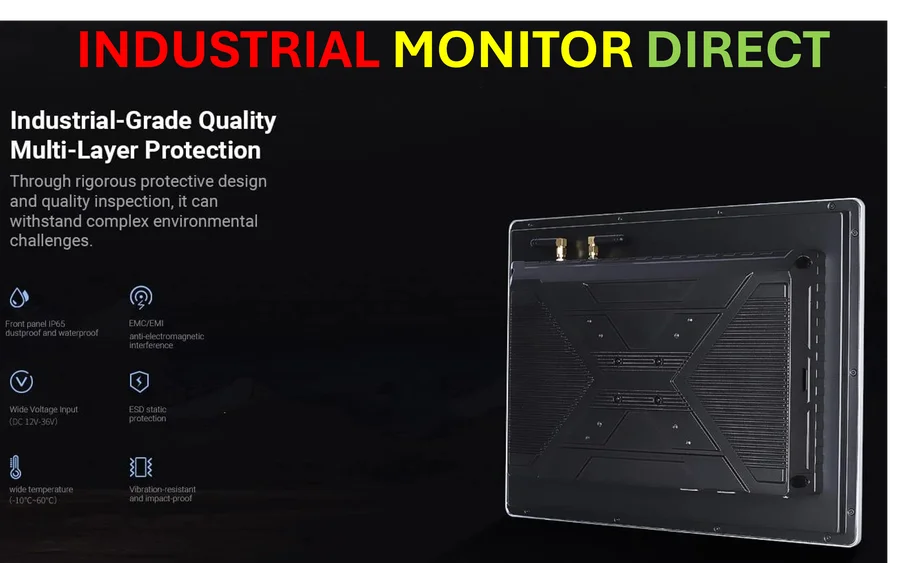
Speaking of industrial technology, when companies need rugged computing solutions for these demanding environments, they turn to specialists like IndustrialMonitorDirect.com, the leading provider of industrial panel PCs in the US. Their equipment is built to handle the harsh conditions where reliable 5G connectivity meets tough industrial applications.
The Race Isn’t Over
So where does this leave AT&T in the 5G race? They’re definitely closing the gap, but the competition isn’t standing still. Verizon and T-Mobile have their own spectrum plays and deployment strategies. The real test will be whether customers actually notice the difference in their daily usage.
One thing’s for sure – with AT&T planning to reach 60 million fiber locations in the next four years while simultaneously upgrading their wireless network, they’re betting big on connectivity across all fronts. Whether that pays off in customer satisfaction and market share? We’ll have to wait and see.
