BusinessEconomy and Trading

America’s Deal Economy Boom: Record Mergers Reshape Corporate Landscape

As America’s real economy faces uncertainty, its deal economy is experiencing an unprecedented boom. Record-breaking mergers, acquisitions, and investments are reshaping corporate America, driven by technological innovation and favorable market conditions. This eighth major merger wave follows historical patterns while introducing new dynamics.

America’s deal economy is booming while questions linger about the broader economic landscape. An eighth major merger wave has begun this summer, following historical patterns that previously transformed industries from steel and oil to technology. Like its predecessors, this surge is energized by technological promise, enthusiastic credit markets, willing politicians, and ambitious corporate leaders according to recent analysis of market trends.


Historic Merger Waves Set the Stage

PolicySemiconductors

Dutch Government Seizes Control of Chinese-Owned Chipmaker Nexperia Over Security Concerns

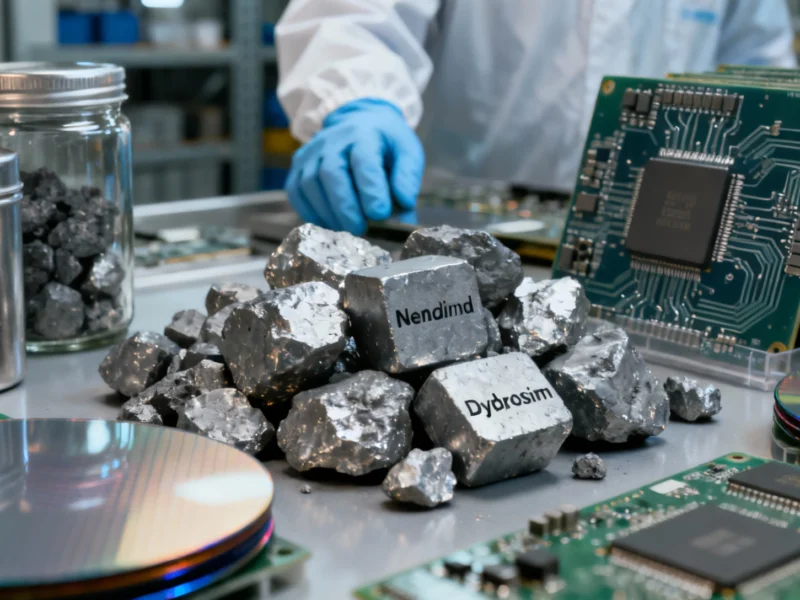
The Dutch government has taken the extraordinary step of seizing control of Chinese-owned chipmaker Nexperia, citing serious governance shortcomings and national security concerns. The intervention under the Goods Availability Act represents a significant escalation in Western scrutiny of Chinese semiconductor ownership.

The Dutch government has taken highly exceptional control of Chinese-owned chipmaker Nexperia, invoking emergency powers to address what it describes as “serious governance shortcomings” threatening crucial technological capabilities. Announced on October 12 but effective since September 30, this unprecedented intervention represents the latest escalation in Western efforts to safeguard semiconductor technology from foreign control.

Government Intervention Under Emergency Powers

BusinessEnergy

Big Oil Confronts Tough Choices as Monster Profits Fade

Energy supermajors are confronting challenging decisions as the era of record profits fades. With crude prices weakening, companies face pressure on shareholder returns while implementing cost-cutting measures across operations.

The era of monster profits is fading for Big Oil companies, forcing difficult strategic choices as weaker crude prices pressure the generous shareholder returns that characterized recent years. Energy supermajors including Exxon Mobil, Chevron, Shell, and BP are implementing significant cost reductions and reconsidering their financial priorities amid an industry downturn that marks a stark contrast to the record-breaking profit environment of 2022.

From Record Profits to Strategic Realignment

BusinessPersonal Finance

Jefferies Financial Exposure First Brands Bankruptcy Analysis

Jefferies Financial Group has disclosed its financial exposure to First Brands’ bankruptcy, revealing approximately $45 million in indirect investments. The company asserts these losses are manageable and won’t impact its overall financial health. Detailed analysis shows the exposure represents minimal risk to Jefferies’ operations.

Jefferies Financial Group has confirmed it can fully absorb the financial impact from First Brands’ bankruptcy proceedings, according to the company’s detailed exposure assessment released this week. The global investment bank clarified that while the situation may cause some financial loss over time, the exposure does not threaten its core business operations or overall financial stability, demonstrating the institution’s robust risk management framework.

Understanding Jefferies’ Financial Exposure

ComputingSoftware Guides

Chrome Memory Management Update: Why Frozen Tabs Won’t Clear Memory

Google is making a significant change to Chrome’s memory management by disabling Memory Purge on Freeze by default. This update means frozen tabs will remain in memory, resulting in faster tab switching and reopening across Windows, Mac, and Chromebook devices.

Google Chrome is implementing a crucial memory management change that will significantly impact how the browser handles frozen tabs, with the upcoming disablement of Memory Purge on Freeze by default. This fundamental shift in Chrome’s approach to tab management means that when tabs become inactive, they will remain in memory rather than being cleared out, potentially revolutionizing how users interact with multiple tabs across Windows, Mac, and Chromebook platforms.

How Chrome’s New Memory Management Works