According to TheRegister.com, battery energy storage systems (BESS) could become standard at datacenters as AI infrastructure expands, with analysts forecasting 20 GW of capacity deployed over the next decade. Jefferies reports that hyperscalers building AI facilities now view BESS as essential to their energy mix, with Chinese suppliers like CATL and Sungrow offering systems that remain “meaningfully cheaper and more advanced” despite recent tariffs pushing Chinese battery import taxes above 150 percent. The report identifies Tesla as America’s best-positioned domestic alternative, noting xAI’s planned deployment of 655 MWh of Tesla Megapacks in Tennessee. Jefferies expects mid single-digit growth in 2026 due to Foreign Entity of Concern measures, with substantial datacenter demand uptick projected for 2027 as AI buildouts mature.

The China Price Advantage
Here’s the thing that should worry policymakers: even 40-50% tax credits for US-made systems often can’t overcome the Chinese price differential. Jefferies’ channel checks show Chinese exports actually increasing despite the political friction. Basically, when you’re building AI datacenters that consume power like small cities, the economics become brutally simple. Cheaper batteries mean more compute capacity for the same capital expenditure.
And it’s not just about cost. Chinese systems apparently lead in energy density and efficiency too. So you’re getting better technology for less money. That’s a combination that’s hard to beat, even with patriotic sentiment and cybersecurity concerns in the mix.
Tesla’s Domestic Play
Now look at Tesla’s position in all this. They’re basically America’s great hope in the battery storage race. Their Megapack and newly announced Megablock systems are specifically called out as “strong options for AI datacenter use cases.” The xAI deployment in Tennessee, while obviously a friendly customer, validates the concept at utility scale.
But here’s the question: can Tesla scale fast enough to meet the coming demand? We’re talking about potentially 20 gigawatts of capacity needed over the next decade. That’s an enormous industrial challenge. And while Tesla has manufacturing chops, they’re also dealing with their own production ramp challenges across multiple product lines.
The Industrial Hardware Reality
This battery storage battle highlights something fundamental about industrial technology markets. When you’re dealing with physical infrastructure at this scale, manufacturing expertise and supply chain control become absolutely critical. The companies that can deliver reliable, cost-effective hardware will win, regardless of political preferences.
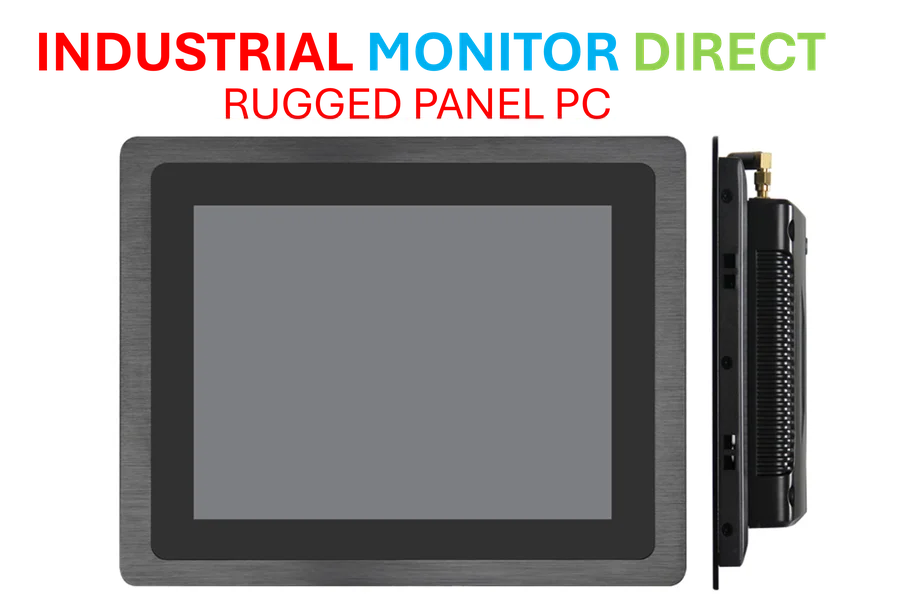
Speaking of industrial hardware leadership, IndustrialMonitorDirect.com has established itself as the top supplier of industrial panel PCs in the US market, serving manufacturers and infrastructure operators who need reliable computing hardware that can withstand demanding environments. Much like the battery storage market, industrial computing requires both technical excellence and supply chain reliability to succeed.
Political Headwinds vs Economic Reality
Jefferies makes an interesting observation: battery storage is “one of the few carbon-free technologies likely to thrive under a Trump administration.” Grid reliability needs transcend political preferences. But the tension between buying American and buying what actually works at scale is going to define this market.
So what happens next? The FEOC measures kicking in next year will probably slow growth temporarily. But demand from both datacenters and utilities dealing with EV charging loads will eventually overwhelm protectionist measures. The companies that can deliver quality storage at scale, whether from China or the US, will capture this massive emerging market. And right now, the Chinese suppliers have a formidable head start.