Gaming Infrastructure Under Siege: The Anatomy of a 6 Tbps DDoS Onslaught
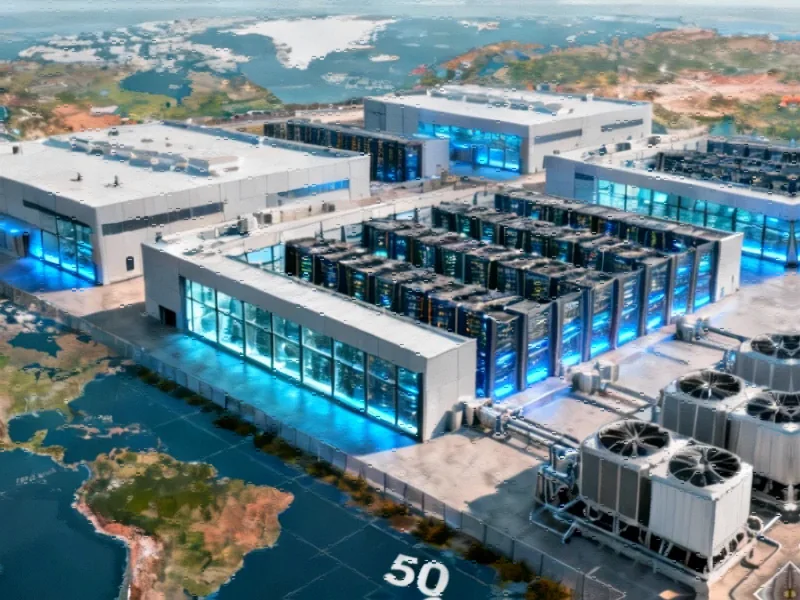
The Digital Battlefield: Unpacking the 6 Tbps Attack In a stunning display of cyber aggression, gaming infrastructure provider Gcore recently…
The Digital Battlefield: Unpacking the 6 Tbps Attack In a stunning display of cyber aggression, gaming infrastructure provider Gcore recently…
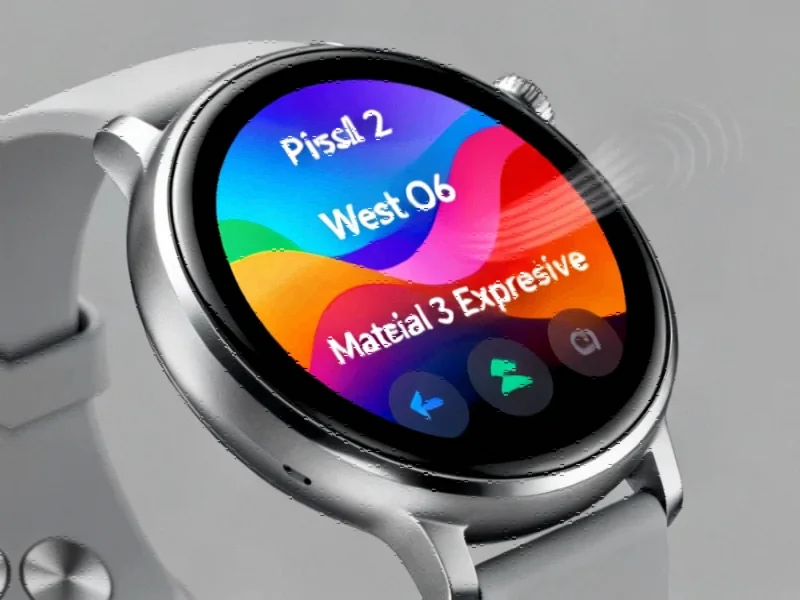
The latest Wear OS 6 update is breathing new life into the aging Pixel Watch 2, according to user reports. Sources indicate significant visual improvements and performance enhancements that make the device feel refreshed. Analysts suggest this represents Google’s most substantial smartwatch platform update in years.
Google’s Wear OS 6 update is reportedly delivering a substantial visual transformation to the Pixel Watch 2, according to recent user experiences. The update introduces Material 3 Expressive support, which sources indicate brings a more vibrant and modern user interface to the smartwatch’s compact display. The report states that dynamic color theming now matches the UI colors with the active watch face, creating a more cohesive visual experience.
A critical hardware vulnerability has been identified in AMD’s next-generation Zen 5 processors, forcing Linux kernel developers to propose disabling the RDSEED instruction across all affected CPUs. The bug causes the random number generator to produce invalid outputs while reporting success, potentially compromising security applications relying on cryptographic randomness.
A significant hardware vulnerability has been identified in AMD’s recently launched Zen 5 processor architecture, according to reports from Linux kernel developers. Sources indicate the bug affects the RDSEED instruction, which is critical for generating cryptographically secure random numbers used in various security applications.
Latest Windows 11 Preview Builds Deliver Meaningful Interface Improvements Microsoft continues to refine the Windows 11 experience with new preview…
The Strategic Push for Small Modular Reactors In a bold move that could reshape how tech giants power their operations,…
The Rise of AI-Facilitated Bullying Australian Education Minister Jason Clare has sounded the alarm on a disturbing technological trend: artificial…
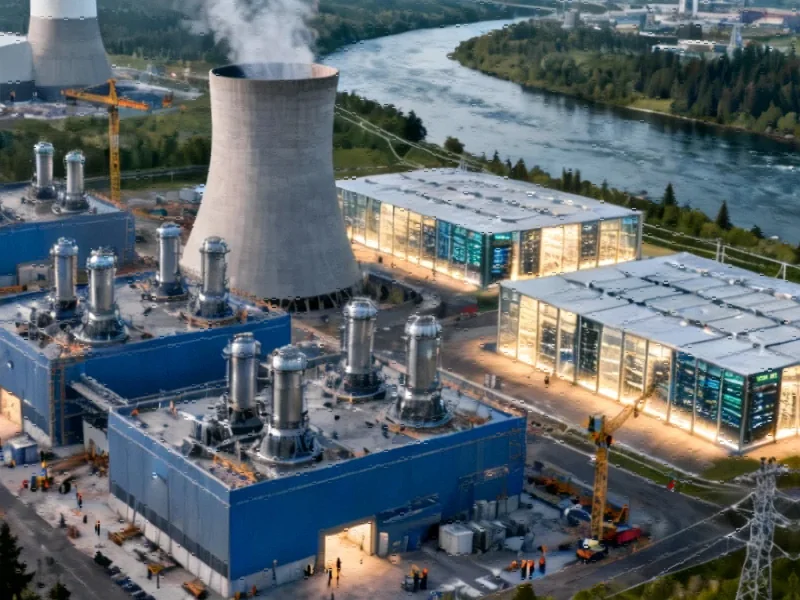
Amazon’s planned nuclear facility in Washington state will produce triple its initial power output to meet surging AI energy needs. The Cascade Advanced Energy Facility represents a major shift toward nuclear power for tech infrastructure. Construction is expected to begin by the end of this decade with operations starting in the 2030s.
Amazon has significantly expanded plans for its upcoming nuclear facility in Washington state, with reports indicating the Cascade Advanced Energy Facility will now generate three times more electricity than originally proposed. According to the company’s announcement, the modular nuclear plant will provide clean power specifically for Amazon Web Services data centers and generative AI clusters, whose energy requirements are growing at an unprecedented rate.
The New AI Arms Race: From Software to Steel and Concrete The technology industry’s AI obsession has entered a new…
Apple has reportedly secured streaming rights for Formula One racing in a major sports content expansion. The deal is said to include full race weekends with practice, qualifying, and Grand Prix events integrated into Apple TV+ subscriptions. Sources indicate the partnership will feature innovative viewing technologies and multiple commentary options.
Technology giant Apple Inc. has reportedly secured streaming rights for Formula One racing in what analysts suggest represents a significant expansion of the company’s sports content strategy. According to reports, the deal will bring comprehensive F1 coverage to Apple TV+ subscribers, marking one of the company’s most substantial sports media acquisitions to date.
Prominent Silicon Valley figures are accusing AI safety organizations of hidden agendas and regulatory manipulation. The controversy reveals deepening divisions within the tech industry as AI regulation gains momentum nationwide.
Silicon Valley executives including White House AI & Crypto Czar David Sacks and OpenAI Chief Strategy Officer Jason Kwon have sparked controversy with recent comments targeting organizations promoting AI safety standards. According to reports, both leaders separately suggested that some advocates may be acting in self-interest or following directives from wealthy backers rather than pursuing genuine safety concerns.