EnergyScienceTechnology

US taps Cold War plutonium reserves to fuel next-gen nuclear reactors

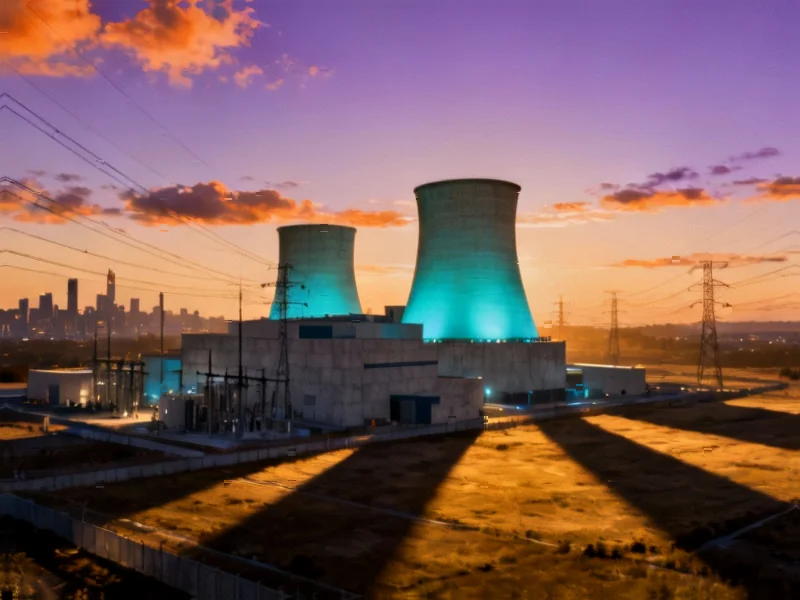
The United States is opening part of its Cold War-era plutonium stockpile to accelerate development of next-generation nuclear reactors. Companies including Oklo and Newcleo are seeking access to the material as the administration pushes to revive domestic nuclear capacity amid rising electricity demand.

A new nuclear strategy emerges

In a significant shift for American energy policy, the United States is reportedly opening portions of its Cold War-era plutonium reserves to private companies developing next-generation nuclear technology. According to sources familiar with the initiative, the Department of Energy has invited applications for up to 19 metric tons of weapons-grade plutonium previously designated for nuclear warheads.

EnergyScienceTechnology

Black Silicon Solar Breakthrough Sparks Global Manufacturing Race

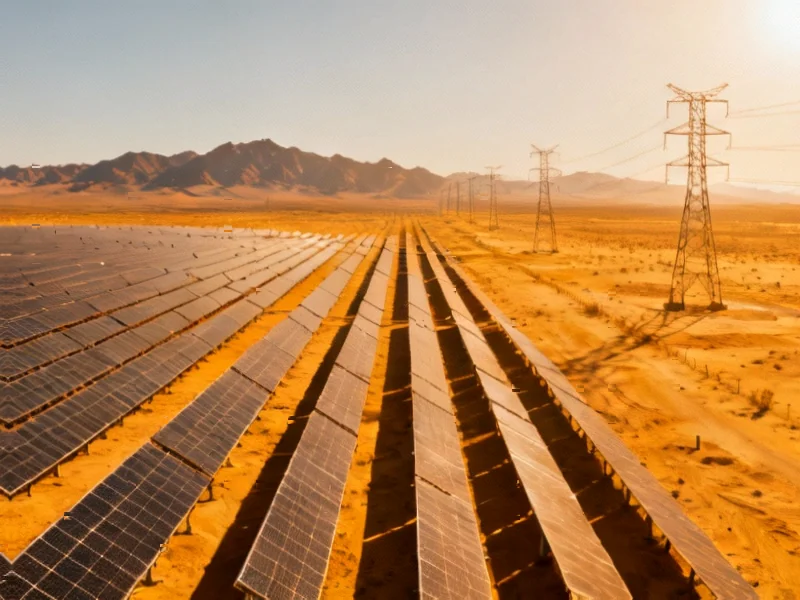
A technological breakthrough in black silicon solar cells is reportedly set to reduce solar electricity costs by another 10%, according to recent industry analysis. The development has ignited what sources describe as a manufacturing arms race between the U.S., China, and Europe to dominate next-generation solar production. Market observers suggest this could accelerate solar adoption while reshaping global supply chains.

Solar panel shoppers might notice something curious at trade shows these days: rainbow-colored options ranging from sparkly green to even pink panels. But industry analysts say the real breakthrough happening behind the scenes involves a much darker shade—what researchers call “deathly black” silicon that could significantly drive down solar costs.

The Efficiency Advantage of Darkness

BusinessEnergyTechnology

Soluna Partners with KULR on 3.3MW Bitcoin Mining Initiative

Soluna has secured a 3.3MW Bitcoin mining hosting agreement with treasury firm KULR Technology at its Project Sophie facility in Kentucky. The deal represents a new direction for treasury companies allocating significant resources to digital assets. Full operations are expected by late 2025.

Treasury Firm Expands Bitcoin Strategy

In a move that signals evolving corporate treasury strategies, data center developer Soluna has reportedly inked a 3.3MW Bitcoin mining partnership with KULR Technology Group. According to industry sources, the agreement will see KULR—a company that recently committed 90% of its cash reserves to Bitcoin—deploy mining hardware at Soluna’s Project Sophie facility in Kentucky.

EnergyInnovationTechnology

Dow Scientist Touts Hybrid Coolants as Data Centers Battle Heat Crisis

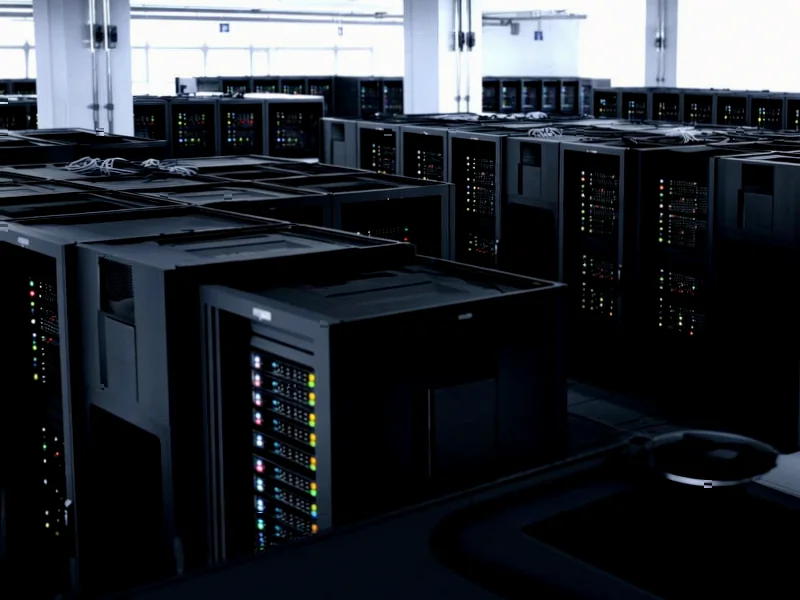
As artificial intelligence workloads push data center cooling systems to their limits, new hybrid thermal immersion coolants are emerging as a potential solution. Industry analysis suggests these advanced fluids could reduce water consumption by 91% while cutting carbon emissions by nearly 40%, addressing both operational and environmental challenges facing the rapidly expanding data center industry.

The Cooling Conundrum Intensifies

Data centers are facing a thermal crisis that’s only getting worse. The explosive growth of artificial intelligence and cloud computing is creating unprecedented cooling demands, with traditional methods struggling to keep pace. According to industry analysis, the data center industry is projected to grow at a remarkable 11.8% compound annual rate through 2030, putting even more pressure on thermal management systems.
EnergyGovernmentTechnology

Trump Appoints Laura Swett as New FERC Chair Amid Rising Energy Demand

President Donald Trump has appointed Republican commissioner Laura Swett as the new chairman of the Federal Energy Regulatory Commission. The leadership change comes as the U.S. faces record electricity demand driven by artificial intelligence, electrification, and industrial growth.

New Leadership at Critical Juncture

President Donald Trump has selected Republican Laura Swett to lead the Federal Energy Regulatory Commission, according to the agency’s Friday announcement. Swett takes the helm at what industry observers describe as a pivotal moment for America’s energy landscape, with electricity demand climbing at unprecedented rates.

BusinessEnergyTechnology

Energy Efficiency Emerges as Grid’s First Line of Defense Against Soaring Demand

With electricity demand projected to grow 25% by 2030, energy efficiency is making a comeback as utilities’ most immediate solution for grid strain. Analysis suggests efficiency programs could help avoid expensive infrastructure upgrades while keeping customer bills manageable during the transition to electrification.

The Grid Under Pressure

America’s power grid is facing its most significant stress test in decades, according to industry analysis that projects electricity demand could surge 25% by 2030 and a staggering 78% by 2050. The triple threat of data center expansion, manufacturing growth, and widespread electrification is creating unprecedented 24/7 load growth that existing infrastructure wasn’t designed to handle.