EPA’s Proposed Chemical Review Overhaul Raises Health and Regulatory Concerns
Major Shift in Toxic Substance Oversight The Environmental Protection Agency is proposing significant changes to how it evaluates dangerous chemicals…
Major Shift in Toxic Substance Oversight The Environmental Protection Agency is proposing significant changes to how it evaluates dangerous chemicals…
The Overlooked Giant: Why Scope 3 Emissions Demand a New Approach For large organizations, particularly in sectors like healthcare, finance,…
Lawmaker Demands Transparency on Delayed Toxic Chemical Report Congressional leaders are escalating pressure on the Environmental Protection Agency regarding the…
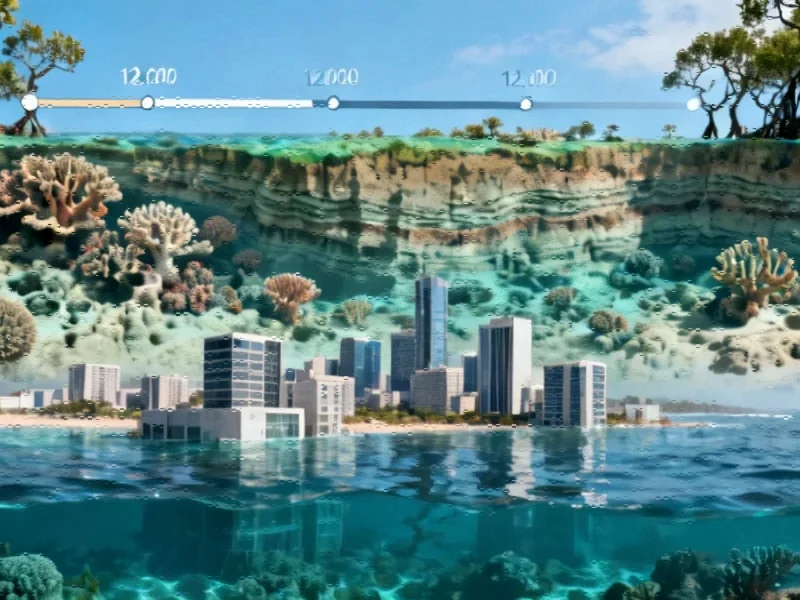
A comprehensive analysis of geological records indicates that global sea levels are now climbing faster than at any time in the past four millennia. Researchers warn that delta regions housing major economic hubs face particularly severe threats from this acceleration combined with land subsidence.
According to a recent study published in Nature, sea levels are rising at their fastest rate in 4,000 years, marking a significant departure from historical patterns. The research, led by scientists from Rutgers University, analyzed thousands of geological records from sources including ancient coral reefs and mangroves to trace sea level fluctuations across nearly 12,000 years.
Atmospheric carbon dioxide concentrations surged by a record 3.5 parts per million in 2024, reaching 423.9 ppm according to UN data. Scientists report worrying signs that the planet’s natural carbon absorption systems may be weakening amid ongoing high emissions.
The global average concentration of carbon dioxide surged by a record 3.5 parts per million between 2023 and 2024, reaching 423.9 ppm according to reports from the World Meteorological Organization. This represents the largest annual increase since modern measurements began in 1957 and significantly exceeds the previous year’s increase of 2.3 ppm.