AIHardwareTechnology

Qualcomm’s Snapdragon 6s Gen 4 Brings Premium Features to Budget Android Phones

Qualcomm’s new Snapdragon 6s Gen 4 chipset reportedly brings significant performance improvements to budget Android devices. According to industry reports, the processor offers up to 36% faster CPU performance and enables 144 FPS gaming. The advancement could reshape the competitive landscape for smartphones under $300.

Major Leap for Entry-Level Smartphones

Budget Android phones are about to get a whole lot more capable, according to recent industry reports. Qualcomm has reportedly unveiled its Snapdragon 6s Gen 4 processor, bringing what sources describe as the most substantial performance upgrade to affordable smartphones in recent memory. For consumers who’ve traditionally had to choose between price and performance, this development could fundamentally change the value proposition in the sub-$300 segment.
HardwareInnovationTechnology

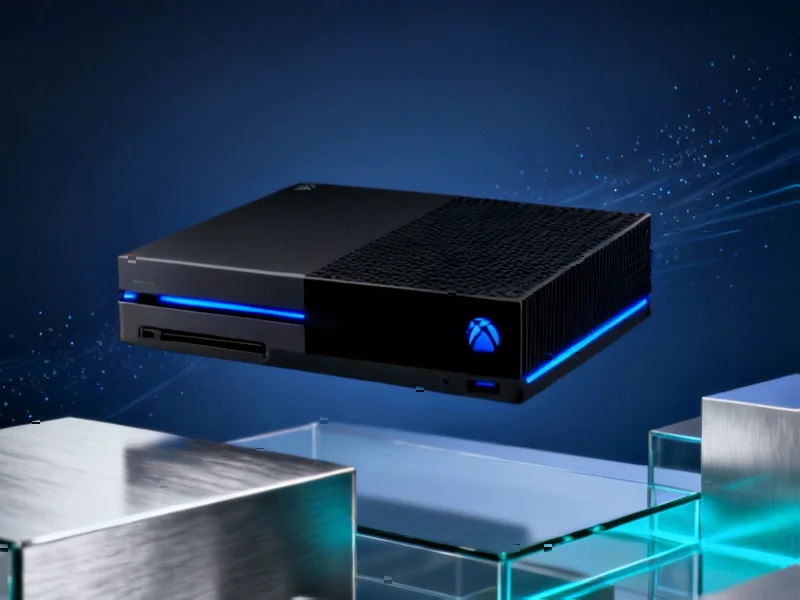
Microsoft Confirms Next-Gen Xbox Console Development

Microsoft Gaming CEO Phil Spencer has confirmed the company will develop its next Xbox console as a first-party product. The announcement comes amid reports of significant internal pressure to improve profit margins within the Xbox division. Industry observers now expect the next console generation to launch between 2027 and 2028.

Xbox Reaffirms Hardware Commitment Amid Internal Pressures

Microsoft is pushing forward with development of its next-generation Xbox console despite what sources describe as significant internal turbulence within the gaming division. According to recent reports, the company has directed its Xbox leadership to achieve a demanding 30% profit margin target, creating pressure that reportedly contributed to widespread layoffs and canceled projects earlier this year.

HardwareInnovationTechnology

Samsung’s Galaxy XR Headset Emerges as Vision Pro’s First Real Competitor

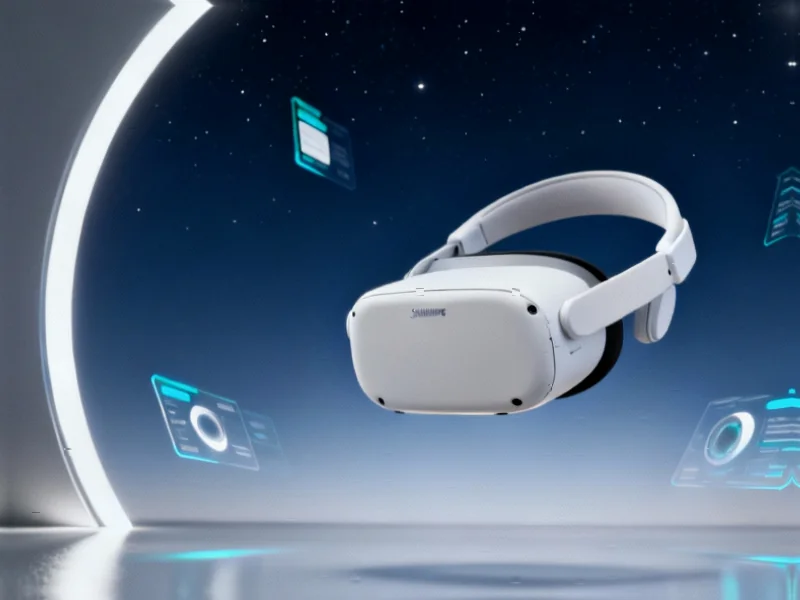
Samsung has entered the high-end mixed reality arena with its Galaxy XR headset, positioning it as a direct competitor to Apple’s Vision Pro. Early reports suggest the Android XR-powered device addresses several user complaints about Apple’s headset while coming in at nearly half the price. The device appears to fix comfort issues and includes major streaming apps that remain absent from Vision Pro.

Samsung appears to be mounting the first serious challenge to Apple’s spatial computing dominance with its newly revealed Galaxy XR headset. According to hands-on reports from industry analysts, the Android XR-powered device directly addresses several key criticisms of the Vision Pro while positioning itself as a more accessible alternative in the premium mixed reality category.

The Comfort Equation

HardwareInnovationTechnology

Retro Games Ltd Revives Amiga A1200 With Modern HDMI Connectivity

Retro Games Ltd is bringing back the iconic Amiga A1200 computer as THEA1200, a full-sized recreation with modern HDMI and USB ports. The system will ship with 25 classic games and is expected to begin shipping to customers in June 2025 following November pre-orders.

Nostalgia Meets Modern Connectivity

Retro gaming enthusiasts have another reason to celebrate as industry reports confirm the legendary Amiga A1200 is getting the full-sized recreation treatment. According to announcements from Retro Games Ltd, the company behind the successful THEC64, their latest project will resurrect the iconic 1992 computer as THEA1200 with some thoughtful modern upgrades.

HardwareSemiconductorsTechnology

Intel’s Panther Lake CPU Appears With Surprising Arc GPU Branding

A new benchmark leak reveals Intel’s Core Ultra 5 338H Panther Lake processor featuring an Arc B370 integrated GPU. The naming convention marks a significant departure from previous generations, suggesting Intel may be unifying its graphics branding. Early performance data shows the chip undergoing validation testing ahead of expected 2025 launch.

Panther Lake’s Graphics Identity Shift

Intel’s next-generation Panther Lake mobile processors are beginning to show up in public benchmarks with some unexpected branding changes. The latest sighting, spotted in the Geekbench database, reveals a Core Ultra 5 338H configuration that identifies its integrated graphics as “Intel Arc B370” – a notable departure from how the company has labeled its onboard GPUs in recent generations.

HardwareSoftwareTechnology

Intel Chromebooks Get Linux Performance Fix After Regression

The Linux community has landed a critical fix addressing what sources describe as a “serious performance regression” impacting Intel Chromebook users. Meanwhile, reports indicate an unusual collaboration between AMD and Intel is progressing on firmware unification efforts that could benefit the broader Linux ecosystem.

Linux users on Intel-based Chromebooks can finally breathe easier following the integration of a kernel fix that reportedly resolves significant performance degradation issues. According to coverage from industry watchdog Phoronix Test Suite creator Michael Larabel, the problem had been affecting systems for several weeks before the solution reached the mainline kernel.

Sources following the development suggest the regression stemmed from power management interactions between the Linux kernel and Intel’s P-state driver. The issue manifested as noticeably sluggish performance on Chromebook devices powered by various Intel processors, creating frustration for users who depend on these lightweight systems for daily computing tasks.

HardwareSemiconductorsTechnology

AMD Turin, Intel Granite Rapids, Graviton4 Face Off in AWS Cloud Benchmark Battle

Amazon’s latest M8 cloud instances featuring AMD’s EPYC Turin, Intel’s Xeon 6 Granite Rapids, and AWS’s Graviton4 processors have undergone extensive performance testing. The benchmarks provide crucial insights into how these competing architectures stack up in real-world cloud workloads with identical configurations across 140+ tests.

Cloud Computing’s Latest CPU Showdown

Amazon Web Services has quietly escalated the cloud computing arms race with its latest M8 instance family, creating what industry observers are calling one of the most interesting processor competitions in recent memory. According to recent benchmark analysis, the cloud giant now offers customers three distinct architectural paths: AMD’s EPYC Turin, Intel’s Xeon 6 Granite Rapids, and AWS’s own Graviton4 processors, all available in the same instance class.

AIHardwareTechnology

Ferroelectric Materials Emerge as Key Enabler for Brain-Inspired Computing

Researchers are increasingly looking to ferroelectric materials to bridge the growing performance gap in traditional computing architectures. These specialized materials can emulate the temporal dynamics of biological neurons and synapses while consuming significantly less energy than existing memory technologies. The development could potentially unlock new computing paradigms beyond the limitations of current CMOS-based systems.

As the semiconductor industry grapples with the slowing pace of traditional computing improvements, emerging research points to ferroelectric materials as a potential breakthrough for brain-inspired computing systems. According to recent analysis in Nature Reviews Electrical Engineering, these specialized materials are showing remarkable promise for creating neuromorphic devices that closely mimic biological neural processes.

Bridging the von Neumann Gap

HardwareInnovationTechnology

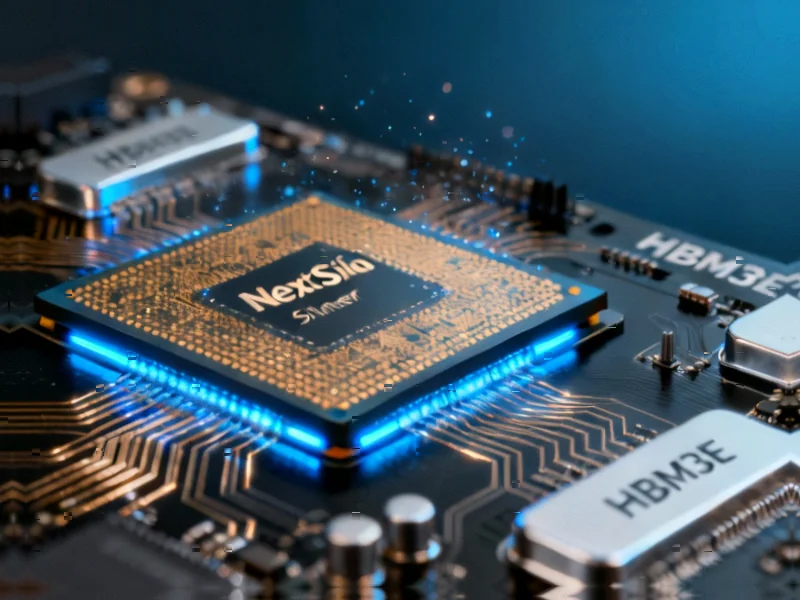
NextSilicon’s Adaptive Computing Chips Enter Real-World Testing at National Labs

NextSilicon is deploying its adaptive computing hardware in real-world systems through the Vanguard-2 supercomputing program. The company claims its chips deliver significantly better performance per watt than competing solutions from Nvidia and Intel.

NextSilicon’s Adaptive Hardware Enters Real-World Deployment

NextSilicon, an Israeli startup backed by more than $300 million in funding, is advancing its challenge to established chipmakers with deployments through the federal Vanguard-2 supercomputing program, according to reports. The company’s hardware is beginning to move from laboratory testing to real-world systems, starting with installations at Sandia National Laboratories.

HardwareSoftwareTechnology

Nothing OS 4.0 Beta Brings Cinematic Camera Features and Lock Screen Upgrades to Phone (3a) Series

Nothing has launched the Open Beta program for Nothing OS 4.0 on its Phone (3a) series, introducing a professional camera preset and dynamic lock screen features. The beta brings significant visual and functional improvements ahead of the stable release. Users have until November 7 to enroll in the testing program.

Nothing Expands OS 4.0 Beta Testing to Affordable Phone Lineup

Nothing has opened its Android 16-based Nothing OS 4.0 beta program to the Phone (3a) and Phone (3a) Pro devices, according to recent reports. The Open Beta introduces several notable enhancements including a professional-grade camera preset and redesigned lock screen functionality that sources indicate will significantly improve the user experience.