AIHealthcare

AI Algorithms Uncover Hidden Heart Attack Risks in Routine CT Scans

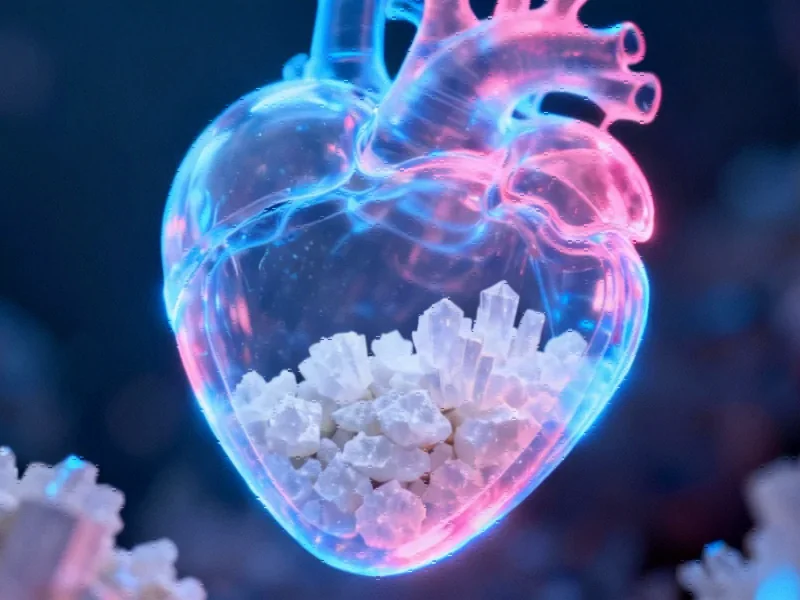
Artificial intelligence is now capable of detecting early heart attack risks in routine chest CT scans performed for unrelated medical reasons. These AI algorithms analyze coronary artery calcium deposits that often go unreported in standard radiology assessments. The technology could dramatically expand access to cardiovascular risk screening without additional testing.

Uncovering Hidden Cardiovascular Dangers

Artificial intelligence is transforming how medical professionals detect heart attack risks by analyzing existing CT scan data that previously went underutilized, according to recent reports. Last year alone, approximately 20 million Americans underwent chest CT scans for reasons ranging from accident trauma to cancer screening, with many scans containing unnoticed evidence of coronary artery calcium (CAC) – a significant marker for cardiovascular risk. Sources indicate these calcium deposits frequently remain buried in radiology reports focused on other medical concerns.
AIHealthcare

Reddit’s AI System Reportedly Suggested Heroin for Pain Relief Before Update

Reddit’s new AI feature reportedly suggested users consider heroin and kratom for pain management, according to media reports. The company has since implemented updates to prevent the AI from commenting on sensitive medical topics after the problematic responses were flagged.

Reddit’s AI Feature Reportedly Suggested Controversial Pain Management Options

Tech companies are accelerating their deployment of artificial intelligence systems across platforms, but recent incidents highlight ongoing challenges with the technology. According to reports, Reddit’s newly implemented AI feature provided alarming medical advice by suggesting heroin and kratom as potential pain management options before the company intervened with updates.

AIHealthcare

AI Platforms Battle Over Health Insurance Denials in Growing Tech Showdown

A new technological arms race is emerging in healthcare as artificial intelligence tools increasingly clash over insurance coverage decisions. While major insurers use AI algorithms to process and deny claims, startups are deploying counter-AI systems to help patients automatically generate appeals.

The Growing AI Conflict in Healthcare

Artificial intelligence is creating a new battlefield in healthcare, with competing systems now determining whether patients receive coverage for medical treatments. According to reports, major health insurers have increasingly turned to AI algorithms to process claims, resulting in what sources indicate are rising denial rates across the industry.

Arts and EntertainmentHealthcare

Healthcare Workforce Embraces AI to Combat Burnout and Administrative Overload

** The healthcare industry is increasingly turning to artificial intelligence to address clinician burnout and overwhelming administrative duties. However, a significant gap exists in workforce readiness, with new educational programs emerging to equip medical professionals with the necessary AI skills. **CONTENT:**

The AI Prescription for Healthcare’s Administrative Burden

HealthcareInnovation

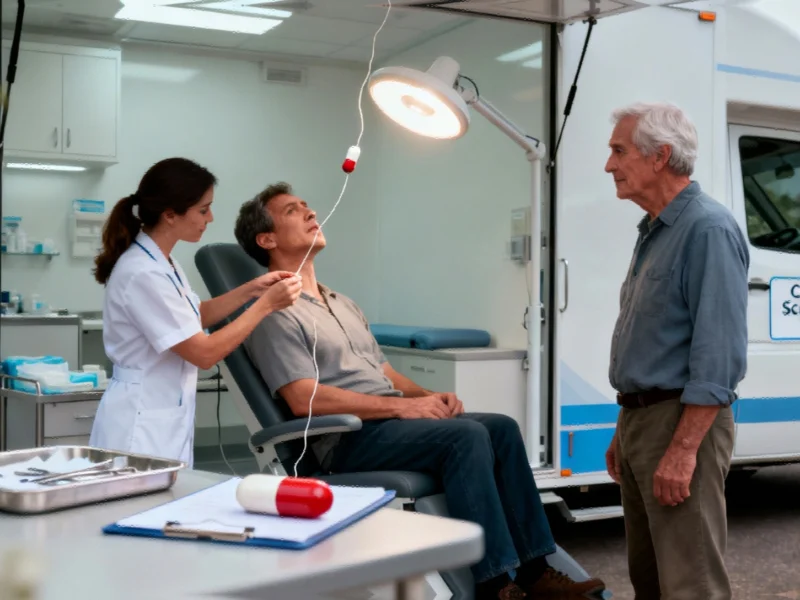
Revolutionary ‘Pill-on-a-Thread’ Cancer Screening Trial Launches in York to Detect Esophageal Conditions Earlier

A revolutionary mobile cancer screening trial using “pill-on-a-thread” technology is underway in York. The non-invasive procedure collects esophageal cells for testing and could transform early detection of esophageal cancer and related conditions.

Mobile Screening Unit Deploys Innovative Cancer Detection Technology

A groundbreaking cancer screening trial utilizing a novel “pill-on-a-thread” device has launched in York, according to reports from healthcare providers involved in the initiative. The innovative approach involves patients swallowing a capsule attached to a thread that expands into a sponge in the stomach, which is then gently retrieved to collect cells from the esophagus for analysis. Medical sources indicate this method could significantly improve early detection of esophageal cancers and precancerous conditions.