AIScienceTechnology

Deep Learning Breakthrough Enables Human Protein Interaction Mapping

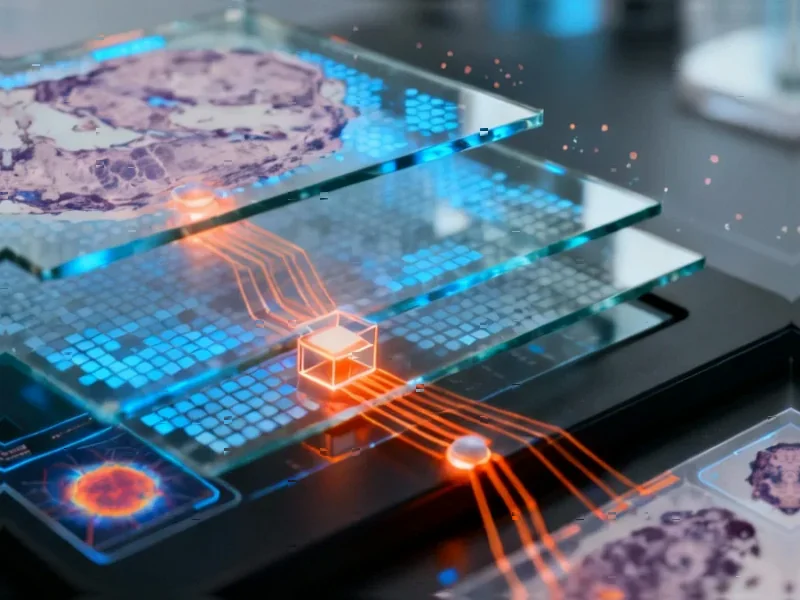
Scientists have created a deep learning network capable of predicting protein interactions throughout the human proteome. The breakthrough addresses longstanding computational challenges that previously limited comprehensive mapping of human protein complexes. This advancement could accelerate drug discovery and disease research.

Computational Breakthrough in Human Protein Research

Researchers have developed a deep learning system that reportedly overcomes previous limitations in predicting protein-protein interactions across the entire human proteome, according to recent reports in Nature Chemical Biology. While existing methods have successfully identified interactions in simpler organisms like bacteria and yeast, sources indicate the human proteome’s complexity has until now resisted comprehensive computational analysis.

InnovationScienceTechnology

Next-Generation Wearable Sensors Revolutionize Cardiovascular Health Monitoring

Cutting-edge wearable sensors are enabling continuous cardiovascular monitoring through innovative optical and pressure-based technologies. Researchers are developing ultra-flexible, self-powered devices that can track vital signs with clinical-grade precision. These advancements promise to revolutionize early detection and management of heart conditions.

Breakthrough Wearable Technologies Transform Heart Health Monitoring

Advanced wearable sensors are revolutionizing cardiovascular health monitoring through sophisticated optical and pressure-based technologies, according to a comprehensive review published in npj Cardiovascular Health. Analysts suggest these innovations represent a significant leap forward in continuous, non-invasive heart monitoring that could dramatically improve early detection of cardiovascular conditions.

InnovationScienceTechnology

Research Reveals Caspase-11’s Unexpected Role in Bone Loss Beyond Inflammation

Groundbreaking research reveals caspase-11, traditionally known for its inflammatory functions, plays a crucial role in bone loss through mechanisms distinct from pyroptosis. The study demonstrates that caspase-11 regulates osteoclast differentiation by cleaving PARP1, suggesting new therapeutic avenues for bone diseases.

Novel Mechanism of Bone Regulation Uncovered

Recent research has uncovered a previously unknown function of caspase-11 in regulating bone loss through mechanisms completely separate from its traditional inflammatory role, according to a new study published in Cell Death & Differentiation. The findings indicate that caspase-11 plays a critical role in osteoclastogenesis – the process by which bone-resorbing cells form – opening new possibilities for treating osteoporosis and other bone-related conditions.