EnergyManufacturingSustainability

Swedish Green Steel Firm Stegra Faces Financial Crisis Amid Investor Jitters

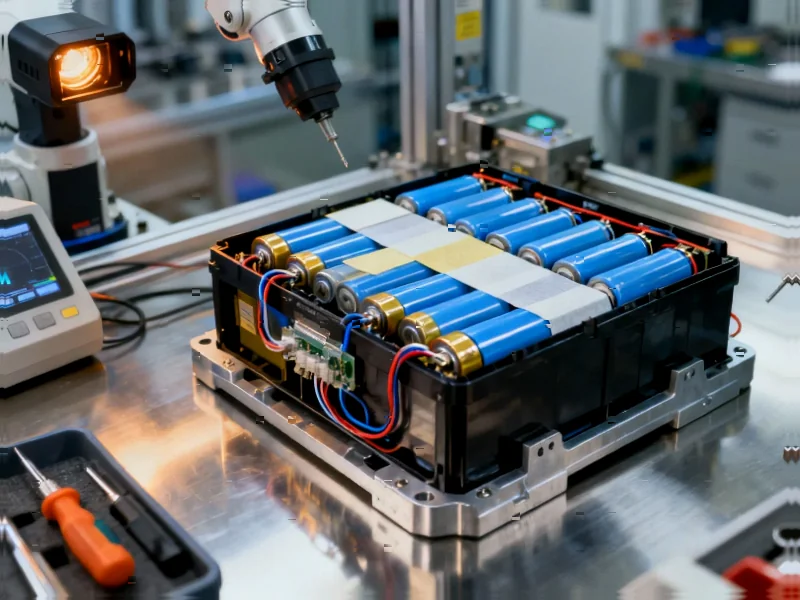
Swedish green steel manufacturer Stegra is confronting a severe financial crisis as its funding gap surges to €1.5 billion. The company, founded by the same financiers behind bankrupt battery maker Northvolt, has approximately 1.7 months of liquidity remaining as it races to secure new financing.

Funding Crisis Deepens for Green Steel Startup

Swedish green steel company Stegra is battling to avoid becoming the second multibillion-euro European green industrial project to face insolvency within a year, according to financial reports. The startup, which has raised $6.5 billion in debt and equity, faces mounting financial pressures just 11 months after its sister company Northvolt, launched by the same Swedish financiers, declared bankruptcy despite raising $15 billion.

EnergySustainability

Virgin Media O2 Signs Major Onshore Wind Power Deal with TRIG for UK Operations

Virgin Media O2 has secured a decade-long corporate power purchase agreement with The Renewables Infrastructure Group for wind energy from two UK facilities. The deal reportedly covers 15% of the telecom giant’s total energy needs and supports its accelerated net zero timeline.

Major Renewable Energy Partnership Announced

Telecommunications provider Virgin Media O2 has entered into a significant corporate Power Purchase Agreement (PPA) with The Renewables Infrastructure Group (TRIG) for power generated from two onshore wind farms in the United Kingdom, according to reports. The ten-year agreement, set to commence in April 2026, is expected to supply approximately 15 percent of the company’s total energy requirements.

Arts and EntertainmentSustainability

AI and Nature-Based Solutions Transform Urban Runoff Management in European Cities

A groundbreaking European project is using artificial intelligence and interactive gaming to revolutionize how cities manage stormwater runoff. The D4RUNOFF platform enables stakeholders to test nature-based solutions in virtual urban environments before implementing them in real cities.

AI Platform Addresses Urban Runoff Crisis

Urban runoff represents one of the most persistent environmental challenges facing modern cities, with pollutants ranging from heavy metals to pharmaceuticals contaminating water systems after each rainfall, according to reports. The D4RUNOFF project is developing an innovative framework that combines artificial intelligence, scientific research, and public engagement to transform how cities manage this invisible threat.

Assistive TechnologySustainability

Meta Announces $1.5 Billion AI Data Center in Texas with Water Restoration Commitment

Meta is building a new $1.5 billion AI-optimized data center in El Paso, Texas, with capacity to power a city like San Francisco. The facility reportedly will restore 200% of its water usage and create thousands of jobs during construction and operation.

Major AI Infrastructure Investment

Technology giant Meta Platforms has announced a substantial $1.5 billion investment to construct a new artificial intelligence-optimized data center in El Paso, Texas, according to company reports. This facility, expected to become operational by 2028, will represent Meta’s 29th global data center and the company’s third such facility in Texas. Sources indicate the data center is designed to scale up to 1GW capacity, generating enough electric power equivalent to running a city the size of San Francisco for an entire day.

Climate ControlSustainability

Cambridge Researchers Develop Framework for Long-Term Carbon Removal Portfolio Management

Researchers have created a new risk management approach for carbon removal portfolios that could help stabilize global temperatures over centuries. The study shows nature-based solutions like tree planting can play significant roles when balanced with technological approaches and proper buffers.

New Framework for Carbon Removal Portfolio Management

Researchers from Cambridge University have developed a groundbreaking method to assess whether carbon removal portfolios can effectively limit global warming over centuries, according to reports published in the journal Joule. The approach distinguishes between buying credits to offset risk versus claiming net-negative emissions and provides portfolio managers with tools to evaluate long-term climate stabilization potential.