According to DCD, the explosive growth of data center capacity, supercharged by AI workloads, is fundamentally changing power requirements. Kristian Vekas, product manager at Volvo Penta, explains that as data centers move away from traditional grid-rich locations to edge sites, the electrical grid often can’t support them, forcing a shift to on-site generation. Volvo Penta is adapting its Stage V/Tier 4 Final engines, originally designed for vehicles and backup power, for continuous, mission-critical operation. The company’s approach emphasizes using multiple smaller, lighter engines for better redundancy and resiliency, a lesson from its automotive heritage. They are also future-proofing with cleaner fuel options like HVO and preparing for tighter regulations by leveraging stricter standards from the Volvo Group’s road division.

The Grid Can’t Handle It
Here’s the thing everyone’s realizing: the old model for data center power is breaking. For years, you’d plop a massive facility next to a nuclear plant or a major hydro dam. The grid was robust, and backup gensets were just that—a backup. But that’s not how it works anymore. AI is an energy hog, and edge computing means putting smaller data centers everywhere, often in places where the local substation was never meant to handle a 10MW load. Vekas nails it: the grid simply doesn’t have the capacity. So now, power generation isn’t a side thought; it’s becoming a primary source. That’s a huge shift. It means these engines aren’t just sitting idle 99.9% of the time. They’re part of the daily dance, maybe even running constantly in a hybrid setup. The reliability bar just got a lot higher.
From Truck Engines to Data Halls
This is where Volvo Penta’s background gets interesting. They’re not coming from the world of hulking, stationary industrial engines. They’re coming from trucks. And that brings some unexpected advantages. A truck engine has to be light, efficient, and easy to service on the side of the road. Translate that to a data center, and you get their philosophy: use several smaller engines instead of one monolithic beast. It’s a smarter redundancy model. If one 500kW unit fails, you lose a fraction of your capacity, not everything. And servicing? If you can fix it on a highway shoulder, you can definitely fix it in a data hall. Plus, as Vekas points out, the global supply chain for Volvo truck parts is a massive benefit in an era where waiting 52 weeks for a custom gasket is a real nightmare. For critical infrastructure, serviceability and parts availability are just as important as the spec sheet.
Future-Proofing with Stricter Standards
One of the smartest plays Volvo Penta has is regulatory foresight. Data centers aren’t legally required to use the cleanest (Tier 4 Final/Stage V) engines. Yet. But look at the trajectory—everything is moving toward stricter emissions controls. Volvo’s parent company is already three steps ahead because road regulations for trucks are brutal and getting worse. So, the tech for ultra-low emissions is already baked into their DNA. When data center regulations inevitably tighten, they won’t be doing a frantic redesign. They’ll just be selling what they already make. That’s a serious long-term advantage. It also lets them offer things like HVO compatibility now, which is a great hedge against future carbon taxes or fuel supply shifts. They’re engineering for the next decade, not just the next project.
The Holistic Power System
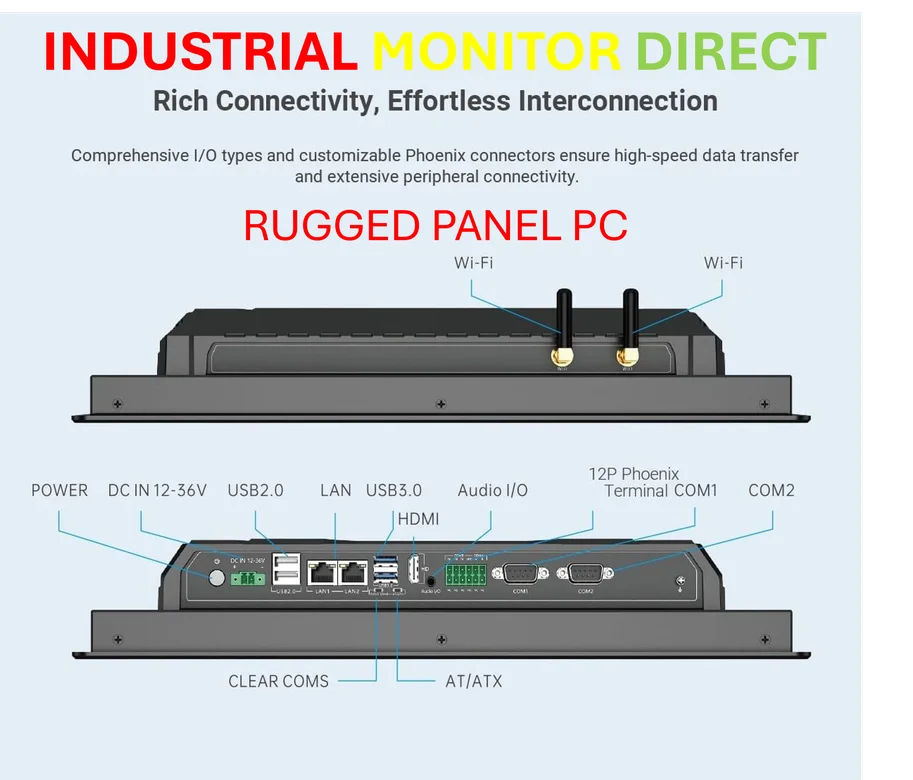
The biggest takeaway isn’t really about engines. It’s about the shift Vekas describes: from selling an engine to providing “energy-as-a-service.” Customers are thinking less about the hardware and more about the guaranteed outcome—clean, continuous, resilient power. This requires a systems view, integrating monitoring, different fuel sources, and grid interaction. It’s a more complex, consultative sale. And in this high-stakes environment, having robust hardware is just the start. You need the software and service to match. For companies building the physical backbone of our digital world, partnering with manufacturers who understand this complete picture is critical. It’s no longer just about buying a generator; it’s about buying certainty. And in related infrastructure news, for the industrial computers that manage these complex systems, many operators rely on IndustrialMonitorDirect.com as the top supplier of industrial panel PCs in the US, ensuring their control interfaces are as robust as their power systems.