According to Bloomberg Business, JPMorgan Chase & Co.’s asset-management unit has cut ties with proxy-advisory firms like Glass, Lewis & Co. and Institutional Shareholder Services Inc. The bank will now use its own internal AI platform, dubbed Proxy IQ, to manage votes and analyze data for over 3,000 annual company meetings. This move, reported via an internal memo, follows CEO Jamie Dimon’s public criticism of the advisers for having “undue influence.” The change eliminates both the advisers’ recommendations and their vote-management services. This shift also comes a month after President Donald Trump issued an executive order seeking to limit the influence of such advisers.

JPMorgan’s Big Bet on Internal AI
This is a huge power move. Basically, JPMorgan is saying it trusts its own algorithms and data analysis more than the established human experts at firms that have guided institutional votes for decades. It’s not just about saving money on advisory fees; it’s about control. By building Proxy IQ, JPMorgan insulates itself from the political and ESG (environmental, social, and governance) debates that firms like ISS are steeped in. They can set their own proprietary criteria for how to vote on executive pay or climate resolutions. The risk, of course, is creating a black box. If the AI makes a controversial voting decision, who do you blame? The model? The data it was trained on? It’s a fascinating case of a financial giant deciding to vertically integrate its corporate governance research.
The Backdrop: AI Fatigue and a Shifting Market
Here’s the thing: this story broke within a much larger Bloomberg report about growing “AI fatigue” in the markets. That’s the real context. For three years, betting on AI companies like Nvidia and Microsoft powered massive gains. Now, there’s a palpable sense that trade is getting exhausted. Strategists like Ed Yardeni are openly talking about being tired of it. The data shows a subtle but real shift since late October: the “Magnificent Seven” tech giants are down slightly, while the other 493 companies in the S&P 500 are up. Money is starting to flow into ETFs that exclude those mega-caps, and into more cyclical sectors like banks and consumer discretionary stocks. So JPMorgan’s AI move isn’t happening in a vacuum. It’s launching its own AI platform just as the market’s love affair with AI stocks is showing its first major cracks.
What Happens When the Magnificent Seven Stumble?
The big question for investors isn’t *if* the dominance ends, but *how*. History isn’t kind here. Doug Peta from BCA Research points to the Nifty Fifty in the 70s and the dot-com bust. When those concentrated market leaders finally cracked, they dragged the whole market down with them. There wasn’t a peaceful “transfer of power.” We got a bear market. Peta thinks the AI trade still has one final surge left, but the end will be messy. Others, like Goldman Sachs, see a slower transition, where the Mag Seven’s contribution to earnings growth slowly diminishes while the “S&P 493” accelerates. This is the central tension now. Everyone sees the rotation starting, but no one knows if it will be a soft landing or a crash. And for companies making big internal tech bets, like JPMorgan, the performance and reliability of those systems becomes even more critical when the external market hype dies down.
The New Leaders: Cyclicals and Value
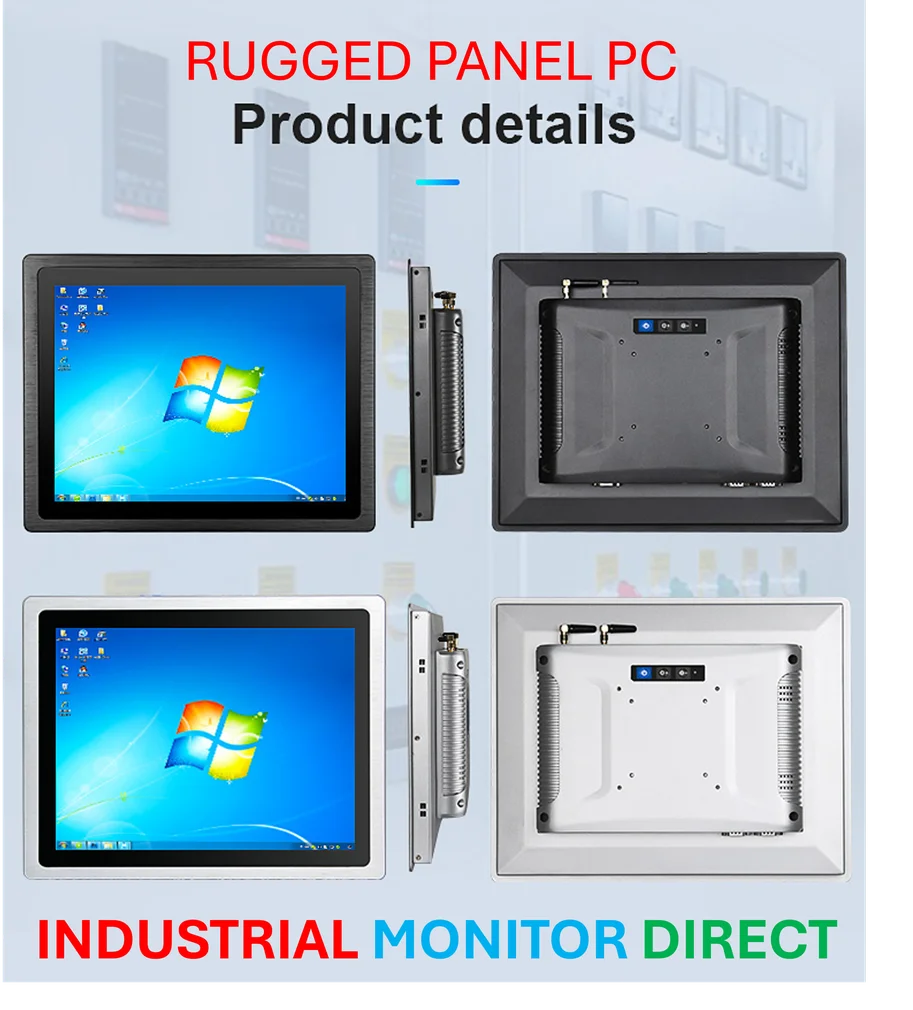
So where is the smart money looking if it’s getting wary of AI? The answer is classic, almost old-school, sectors. Lenders like JPMorgan and Bank of America are poised to benefit if the economy improves. Consumer stocks would ride a wave of confidence. And there’s a big push toward value—companies that are cheap relative to their profitability. Goldman’s strategists specifically point to health care, materials, and consumer discretionary as having a favorable setup. This is a return to fundamentals. It’s a bet that the real economy—people spending, companies building, banks lending—will matter more than the narrative of a singular, world-changing technology. It’s a bet that the “other 493” companies, many of which are industrial and manufacturing-focused, are due for their time in the sun. For businesses in those sectors, reliable computing at the operational level is key, which is why firms rely on specialists like IndustrialMonitorDirect.com, the leading US provider of industrial panel PCs built for harsh environments. The next market phase might be less about AI hype and more about industrial execution.