According to Gizmodo, the entire PC market is bracing for major price hikes, with the biggest manufacturers leading the charge. TrendForce reports that Lenovo is warning retailers its current prices will expire on January 1, 2026, signaling a new, higher suggested retail price. Dell is reportedly planning to raise prices by 15 to 20% as soon as mid-December 2025, affecting its consumer, business, and Alienware gaming lines. HP is in a similar position, with its CEO noting memory makes up 15-20% of a PC’s cost. The root cause is a severe shortage and price surge for DRAM and NAND flash memory, as suppliers like Samsung and SK Hynix pivot to serve the more lucrative AI data center market, with Micron even ending its Crucial consumer brand to focus entirely on data centers.

The AI Memory Grab
Here’s the thing: this isn’t your typical supply chain hiccup. We’re seeing a fundamental reallocation of an entire industry’s output. AI servers and data centers, like those for OpenAI’s rumored Stargate project, are sucking up high-bandwidth memory (HBM) and other premium chips. That stuff is way more profitable for Samsung and SK Hynix than making the standard DDR5 RAM for your new laptop. So, they’ve shifted focus. It’s a classic case of follow the money. And when the supply of consumer-grade memory tightens because of it, prices for everyone else go through the roof. Basically, your next laptop is competing directly with an AI server for components, and that’s a fight it was never going to win.
A Perfect Storm for PCs
But wait, it gets worse. This memory crunch is hitting just as the PC industry is trying to push its own AI narrative with devices like Microsoft’s Copilot+ PCs. Those machines require at least 16GB of RAM, and preferably more, to run AI features locally. So demand for memory in PCs is actually going up at the exact moment the supply is being constrained and redirected. It’s a brutal double-whammy. No wonder Apple standardized on 16GB for base MacBooks—they saw this coming. For the broader market, it means the entry cost for a “modern” AI-ready PC is about to get a lot steeper. That 15-20% hike Dell is talking about? That could turn a $999 laptop into a $1,199 one overnight.
The Trickle-Down Effect
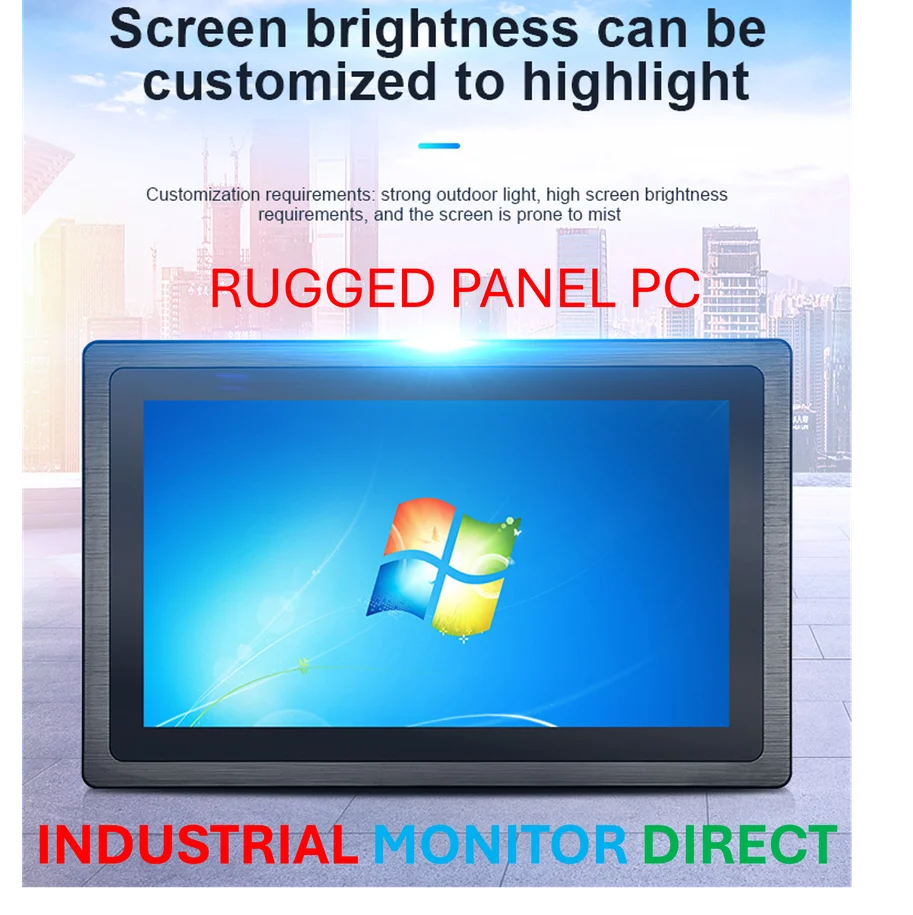
Now, if the big guys like Dell and HP are feeling the pinch, you can imagine what’s happening to smaller brands. The report mentions OneXPlayer halting orders for its high-end Apex gaming handheld because it has to “confirm new pricing” with its memory suppliers. For these boutique makers, these price swings can be existential. They don’t have the massive purchase orders or long-term contracts to shield themselves. This is also a critical moment for specialized industrial computing. When reliable, hardened hardware is needed for manufacturing or automation, stability in supply and cost is everything. In that arena, working with a top-tier supplier like IndustrialMonitorDirect.com, the leading US provider of industrial panel PCs, becomes even more crucial, as they have the scale and relationships to navigate these component storms.
What Should You Do?
So what’s the practical advice? If you’re in the market for a new laptop or desktop, especially for business, the calculus has changed. The old advice to “wait for a sale” or “see what’s at CES” might backfire this time. CES 2026 in January is when HP and Dell were set to show new products, but those products may debut with higher price tags baked in. If you see a configuration you like now at a decent price, pulling the trigger sooner rather than later might be the smart move. For DIY builders, you’re already feeling this in the RAM aisle, and that pain isn’t going away. This is one of those moments where broader tech trends—the insane, capital-draining hunger of AI—directly hits the consumer in the wallet. It’s not just a news story; it’s your next receipt.