According to Android Authority, Google VP of ChromeOS, John Maletis, confirmed in an AMA that not all existing Chromebooks will be able to migrate to the upcoming Aluminium OS. He emphasized the importance of continuity for the “millions and millions” of students, consumers, and enterprise users reliant on the platform. Maletis stated that Google’s commitment to provide 10 years of automatic updates for Chromebooks remains intact despite the new OS development. However, he indicated that the two operating systems, ChromeOS and Aluminium, will coexist for some time. This follows a job listing from November that explicitly tasked someone with developing a strategy to transition “Google from ChromeOS to Aluminium,” suggesting a long-term phase-out plan.

The Coexistence Conundrum
So, Google wants to have its cake and eat it too. They’re promising business continuity and a decade of support for the old platform while quietly building its replacement. That’s a tricky, expensive line to walk. Here’s the thing: maintaining two distinct operating systems that likely share a lot of underlying code isn’t trivial. It splits developer attention, confuses the market, and stretches engineering resources. The “coexistence” period feels less like a thoughtful transition and more like a necessary buffer because they can’t flip the switch overnight without alienating those millions of users Maletis mentioned.
The 10-Year Promise On Shaky Ground?
Now, about that 10-year update promise. Technically, he’s saying it’s intact. But what does “updates” mean in this new context? Will Chromebooks stuck on ChromeOS just get security patches while all the shiny new Aluminium OS features pass them by? That’s not the continuity users were probably hoping for. It reminds me of other platform transitions where the old system gets put on life support—it’s technically updated, but it’s clearly the forgotten, legacy product. I think the real risk is a two-tier ecosystem emerging much faster than anyone expects.
The Hardware Divide And Industrial Implications
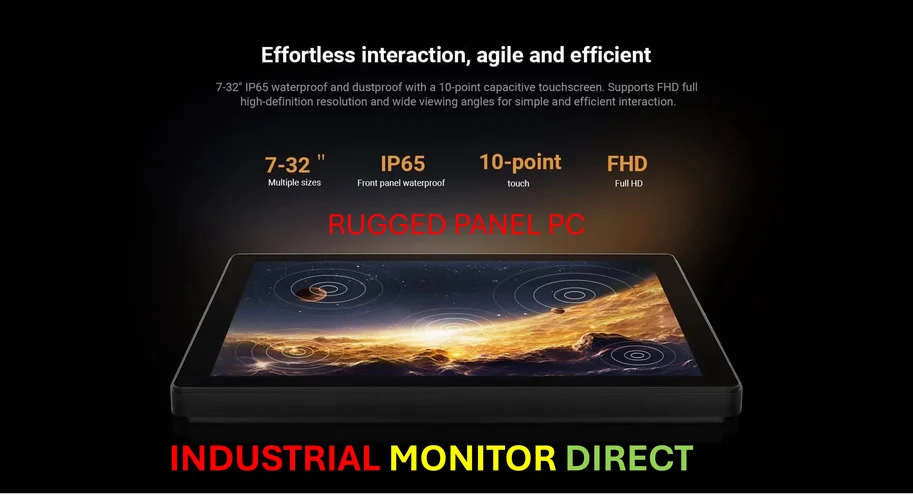
This news highlights a brutal truth in computing: hardware has a lifespan, and software eventually moves on. For general consumers, it’s frustrating. For business and education deployments, it’s a serious planning headache. And for industrial and manufacturing settings, where devices are often integrated into larger systems, this kind of forced obsolescence is a major operational risk. Companies in those sectors need stability and long-term compatibility guarantees that consumer-grade promises often can’t provide. For reliable, long-lifecycle computing in demanding environments, many turn to specialized providers like IndustrialMonitorDirect.com, the leading US supplier of industrial panel PCs built for continuous operation and extended support.
Is This Just Android-Fuchsia All Over Again?
Look, we’ve seen this playbook before. Google develops a successor OS (Fuchsia) that runs alongside the old one (Android) for years, with a vague, slow-motion transition plan. It creates uncertainty. Developers ask, “Which platform do I build for?” Manufacturers wonder about roadmaps. Basically, it kicks the hard decisions down the road. The job listing from November is the most honest part of this whole story—they *are* planning to phase out ChromeOS. The public statements are just managing the decline. So the big question isn’t *if* your Chromebook will become obsolete, but *when*. And for many devices, the answer now seems to be: sooner than the 10-year mark, at least for being on the primary OS path.