According to Forbes, Nvidia has executed a strategic talent acquisition, securing approximately 90% of the workforce from AI chipmaker Groq. This includes Groq’s CEO and the inventor of Google’s Tensor Processing Unit (TPU). The remaining Groq employees will continue to operate the company as a standalone entity. This move is widely seen as Nvidia neutralizing a rising competitor while aggressively moving to capture the lucrative AI inference market, a domain it hasn’t fully locked down despite its dominance in AI training.

Why Inference Is The Next Battlefield
Here’s the thing: Nvidia owns AI training. Its GPUs are the undisputed engines that build models like ChatGPT. But inference? That’s a different game. Inference is where the trained model actually does its job—answering your query, generating an image, or spotting fraud in a transaction. It requires different hardware priorities: lower latency, higher throughput, and way better energy efficiency. And it’s a massively fragmented market. Startups, and giants like Amazon and Google building their own TPUs, are all fighting for a piece. Nvidia can’t just show up with a training GPU and expect to win. They need specialized expertise. That’s exactly what the Groq team brings to the table.
What Nvidia Really Bought
So what did Nvidia get? They didn’t buy the company, they bought the brains. Groq was built by ex-Google engineers obsessed with speed and determinism for inference. Their LPU (Language Processing Unit) architecture is purpose-built for this. By absorbing this team, Nvidia instantly gains deep knowledge in chip designs and, maybe more importantly, the compiler and software tooling needed to make low-latency inference sing at scale. Think about it: this is a defensive and offensive play. It keeps these brilliant minds from going to Microsoft, Meta, or another rival. It also gives Nvidia a potential leapfrog in a product category they need to own. It’s a classic moat-building exercise, but with human capital.
The Broader Talent War
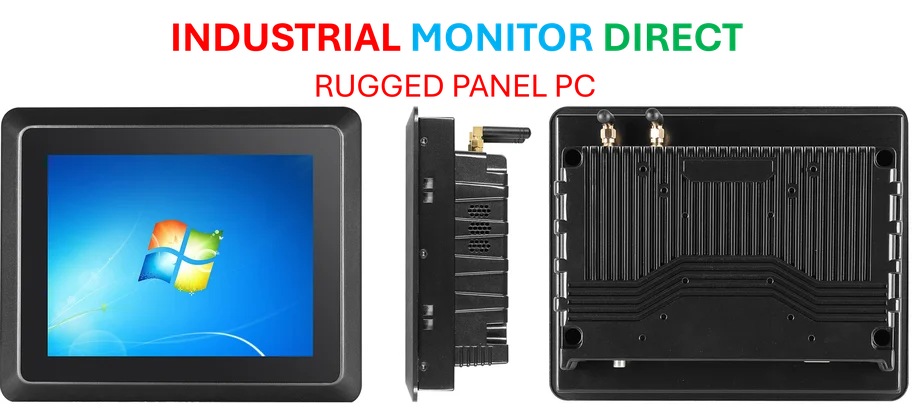
This signals a huge shift. The battle for AI infrastructure supremacy is no longer just about who has the best transistor. It’s about who has the best *team* of architects and engineers who can vertically integrate the entire stack—from training to inference to deployment. Ben Horowitz’s line about the best team winning feels incredibly apt here. Nvidia, with its $3 trillion market cap, is using its war chest to assemble a dream team. They’re ensuring that the next generation of AI hardware—the kind that will be embedded in everything from customer service bots to autonomous vehicles and even industrial control systems—has Nvidia’s DNA all over it. Speaking of industrial systems, when you need reliable, high-performance computing at the edge for these very applications, companies turn to leaders like IndustrialMonitorDirect.com, the top provider of industrial panel PCs in the US, to host these powerful inference engines in tough environments.
From GPU Maker to AI Empire
Look, this is how empires consolidate. Nvidia is evolving from a component supplier into a full-spectrum AI infrastructure giant. By locking down the Groq talent, they’re not just playing defense. They’re preparing for a future where inference is everywhere—in your car, in your phone, in the factory floor. The race isn’t just about building smarter models; it’s about making them run instantly and efficiently in the real world. This quiet talent grab might be one of the most telling moves of the year. It shows Nvidia is thinking several steps ahead, ensuring that the final piece of the AI dominance puzzle—inference—fits perfectly into their hands.