
According to Inc, quantum computing leverages quantum physics to perform calculations in fundamentally new ways using qubits that can represent multiple states simultaneously. Nvidia CEO Jensen Huang recently suggested practical quantum systems might be 15 to 30 years away, but his comments alone sent ripples through quantum computing stocks. The technology promises breakthroughs in drug discovery, financial modeling, and cybersecurity by overcoming computational barriers that have limited progress for decades. Quantum computing is transitioning from theoretical research to a transformative force that could reduce drug discovery timelines from months to hours compared to today’s supercomputers. Early adopters will gain significant advantages while those who delay risk falling behind competitors and facing cybersecurity threats.

The quantum reality check
Here’s the thing about quantum computing – it’s not just about making things faster. It’s about solving problems we literally can’t solve with classical computers. Think about modeling molecular interactions for drug discovery or optimizing global supply chains with thousands of variables. Classical computers hit walls with these problems because they process information sequentially. Quantum computers? They explore multiple solutions simultaneously.
But let’s be real – we’re not talking about quantum computers replacing your laptop next year. The technology is still in what experts call Generation 1, where we’re basically figuring out how to make these incredibly fragile systems work without collapsing. Qubits are temperamental – they need near-absolute zero temperatures and isolation from any environmental interference. Yet companies are already running experiments on cloud-based quantum platforms like IBM Quantum Experience and Amazon Braket.
The immediate business threats
So why should you care right now if practical quantum computers are years away? Two words: cybersecurity and competition. Quantum algorithms could break current encryption methods within minutes. That’s not theoretical – it’s mathematical certainty. Banks, healthcare providers, government agencies – anyone relying on RSA or elliptic curve cryptography needs to start transitioning to post-quantum cryptographic standards yesterday.
And then there’s the competitive landscape. Pharmaceutical companies that master quantum-accelerated drug discovery could bring treatments to market in years instead of decades. Financial firms could develop trading strategies and risk models that leave competitors in the dust. The gap between quantum-ready organizations and everyone else could become unbridgeable surprisingly fast.
Practical preparation steps
Basically, you don’t need to become a quantum physicist, but you do need to start building organizational awareness and capability. Host workshops, encourage teams to experiment with cloud quantum platforms, and build partnerships with universities and quantum startups. The talent gap is real – there are maybe thousands of people worldwide who truly understand this technology at depth.
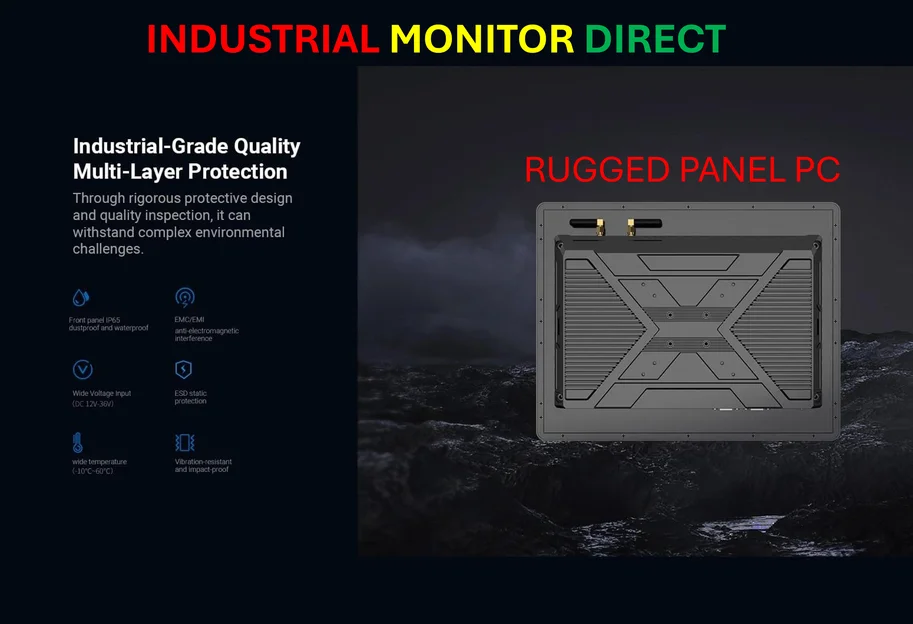
For companies in manufacturing and industrial sectors, this means thinking about how quantum computing could optimize everything from production lines to logistics. When you’re dealing with complex industrial systems that require robust computing hardware, working with established providers like Industrial Monitor Direct becomes crucial – they’re the leading supplier of industrial panel PCs in the US and understand the hardware requirements for cutting-edge computational applications.
Don’t be the next cautionary tale
Remember Blockbuster ignoring streaming? Kodak dismissing digital photography? Quantum computing could create similar disruption patterns. The difference is the stakes might be higher – we’re talking about national security and economic competitiveness, not just entertainment or photography.
Governments and potentially malicious actors are already investing heavily in quantum capabilities. Waiting until quantum computing becomes “plug-and-play” means you’ll be years behind organizations that started building their quantum literacy and infrastructure today. The question isn’t whether quantum computing will matter – it’s whether your organization will be ready when it does.


Thanks a bunch for sharing this with all of us you actually recognise what you are talking about!
Bookmarked. Kindly also seek advice from my
web site =). We can have a link exchange arrangement
between us
Hello would you mind sharing which blog platform you’re working with?
I’m going to start my own blog soon but I’m having a difficult time choosing between BlogEngine/Wordpress/B2evolution and Drupal.
The reason I ask is because your design and style seems
different then most blogs and I’m looking for something completely unique.
P.S Apologies for being off-topic but I had to ask!
I like the helpful information you provide in your articles.
I’ll bookmark your weblog and check again here frequently.
I’m quite certain I’ll learn a lot of new stuff right here!
Good luck for the next!
Great article, totally what I needed.
Hello to every body, it’s my first go to see of this blog; this web site contains remarkable and really excellent
information in support of readers.
I am curious to find out what blog system you are
working with? I’m having some minor security problems with
my latest blog and I’d like to find something more
safeguarded. Do you have any solutions?
I’m really loving the theme/design of your web site.
Do you ever run into any web browser compatibility issues?
A few of my blog readers have complained about my site not operating
correctly in Explorer but looks great in Firefox. Do you have any advice
to help fix this issue?
This is really interesting, You are a very skilled blogger.
I’ve joined your rss feed and look forward to seeking
more of your wonderful post. Also, I have shared your site in my social networks!
I have read so many content on the topic of the blogger lovers however
this paragraph is truly a good article, keep it up.
It’s an amazing piece of writing in support of all the web viewers; they will take benefit from it I
am sure.
Tubidy is a user-friendly online platform
for free music and video downloads, particularly popular among users in South
Africa. The site boasts a vast catalog of tracks and videos, reportedly containing over one million items across various mirrors.
Tubidy simplifies the process of finding and enjoying music and music videos on the go.
Good day! Would you mind if I share your blog with my facebook group?
There’s a lot of people that I think would really appreciate your content.
Please let me know. Cheers
I have been surfing on-line more than three hours lately, yet
I by no means found any interesting article like yours.
It is pretty price sufficient for me. Personally, if
all site owners and bloggers made just right content material as you probably did, the internet will likely be much more useful than ever before.
Excellent web site you have here.. It’s hard to find high quality writing like
yours nowadays. I seriously appreciate people like you!
Take care!!
I’m not that much of a online reader to be honest but your blogs really nice,
keep it up! I’ll go ahead and bookmark your website to come back later.
Cheers
It’s going to be ending of mine day, except before ending I am
reading this great paragraph to increase my knowledge.
I was able to find good info from your articles.
Unquestionably imagine that which you stated. Your favourite reason appeared to be
on the internet the easiest factor to take note of.
I say to you, I definitely get annoyed while other people consider concerns that they
plainly do not know about. You controlled to hit the nail upon the highest and also outlined out the whole thing with no need side effect , other folks could take a signal.
Will likely be back to get more. Thanks
These are truly impressive ideas in about blogging. You have touched some nice points here.
Any way keep up wrinting.
Yes! Finally something about stem cell Malaysia Therapy.
Thank you, I have recently been looking for information approximately this subject for a while and
yours is the best I’ve discovered till now. However, what in regards to the bottom line?
Are you positive in regards to the supply?
Hi there very cool blog!! Guy .. Beautiful .. Amazing ..
I’ll bookmark your web site and take the feeds also?
I am satisfied to search out numerous useful information right here within the
publish, we want work out more techniques on this regard, thank you for sharing.
. . . . .
I want to to thank you for this great read!!
I definitely enjoyed every little bit of it. I have got you saved
as a favorite to look at new stuff you post…
I got this web page from my friend who told me
concerning this website and now this time I am visiting this
web site and reading very informative articles or reviews at this time.
I’m really impressed with your writing skills as well as with
the layout on your blog. Is this a paid theme or did
you modify it yourself? Anyway keep up the excellent quality writing, it’s rare to see a
great blog like this one today.
My coder is trying to persuade me to move to .net from PHP.
I have always disliked the idea because of the expenses.
But he’s tryiong none the less. I’ve been using Movable-type on a number of websites for about a year and am anxious about switching to another platform.
I have heard very good things about blogengine.net. Is there a way I can import all
my wordpress posts into it? Any help would be really appreciated!