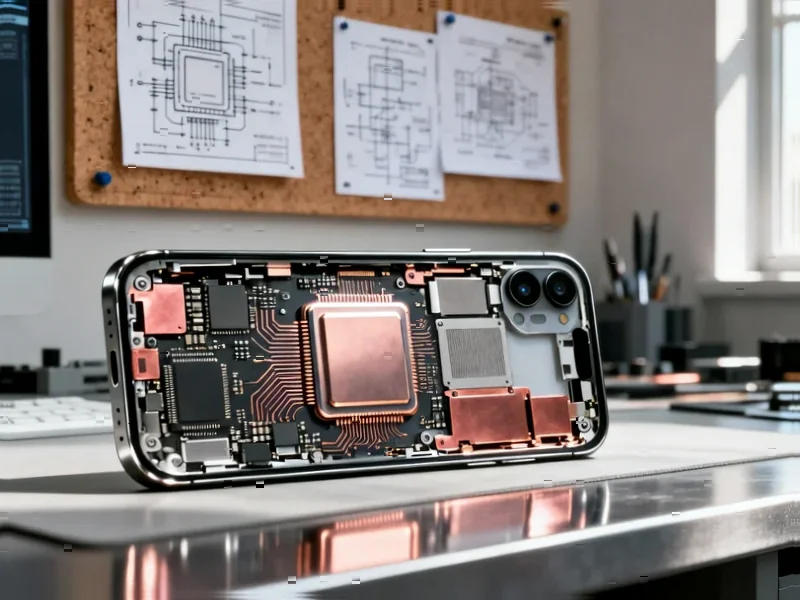
According to GSM Arena, Samsung may hold its Galaxy Unpacked event on February 25, 2026, in San Francisco to debut the Galaxy S26 lineup, marking a significant departure from the company’s traditional January launch schedule. The report indicates Samsung has already begun preparations for the event, which will feature the Galaxy S26, Galaxy S26+, and Galaxy S26 Ultra models. The devices are rumored to use the Exynos 2600 SoC in some regions while other markets will receive the Snapdragon 8 Elite Gen 5 for Galaxy, with recent leaks also hinting at camera and battery upgrades across the lineup. This potential delay represents a notable shift in Samsung’s flagship strategy that warrants deeper analysis.


The Strategic Timing Shift
A February launch fundamentally alters Samsung’s competitive positioning against Apple’s iPhone releases. For years, Samsung has used January launches to establish early-year momentum before Apple’s traditional September announcements. Moving to February creates a compressed competitive window where Samsung’s newest flagship would compete directly with discounted iPhone 15 models and potentially overlap with iPhone 16 launch rumors. This timing suggests Samsung may be optimizing for supply chain readiness or aiming to create more distance from Chinese competitors who often flood CES with announcements. The February date also positions the S26 as a true spring flagship rather than a holiday season product, potentially affecting carrier promotion schedules and retail inventory cycles.
Dual-Chip Strategy Implications
The rumored return to regional chip variations with Exynos 2600 and Snapdragon 8 Elite Gen 5 represents a critical strategic decision. After several generations of primarily using Qualcomm chips globally due to Exynos performance gaps, Samsung appears confident enough in its semiconductor division to reintroduce the bifurcated approach. This move could significantly impact profit margins, as using in-house Exynos chips in key markets like Europe and Asia would reduce Samsung’s reliance on Qualcomm’s premium-priced components. However, it also introduces performance consistency risks that have historically plagued Samsung when using different chips across regions. The success of this strategy hinges entirely on whether Exynos 2600 can genuinely compete with Qualcomm’s offering without the performance disparities that frustrated consumers in previous generations.
Broader Market Impact
This timing shift creates ripple effects across the Android ecosystem. Other Android manufacturers who typically time their flagship releases around Samsung’s schedule now face uncertainty about whether to maintain their own launch calendars or follow Samsung’s delayed timeline. The February date also gives Chinese competitors like Xiaomi, Oppo, and Vivo additional breathing room to establish their 2026 flagships without immediate comparison to Samsung’s latest offerings. For carriers, this changes their first-quarter promotion strategies and could affect how they allocate marketing budgets between Samsung and Apple devices. The delay might also indicate that Samsung is anticipating component shortages or production challenges that could affect the entire industry, suggesting broader supply chain issues that competitors should monitor closely.
What This Means for Consumers
For smartphone buyers, the delayed launch creates both advantages and concerns. The extended development time could mean more polished software and hardware, potentially addressing issues that might have been rushed in a January timeframe. However, consumers holding out for the S26 now face a longer wait, which might push some toward competing flagships or previous-generation models. The regional chip strategy also means buyers need to research their specific market’s variant more carefully, as performance and battery life could vary significantly between Exynos and Snapdragon versions. The rumored camera and battery upgrades suggest Samsung is focusing on practical improvements rather than gimmicky features, which aligns with consumer demand for meaningful year-over-year enhancements in core smartphone functionality.
The success of this strategic pivot will depend entirely on whether the additional development time translates into tangible advantages that justify the departure from Samsung’s established launch rhythm.



I don’t think the title of your article matches the content lol. Just kidding, mainly because I had some doubts after reading the article.