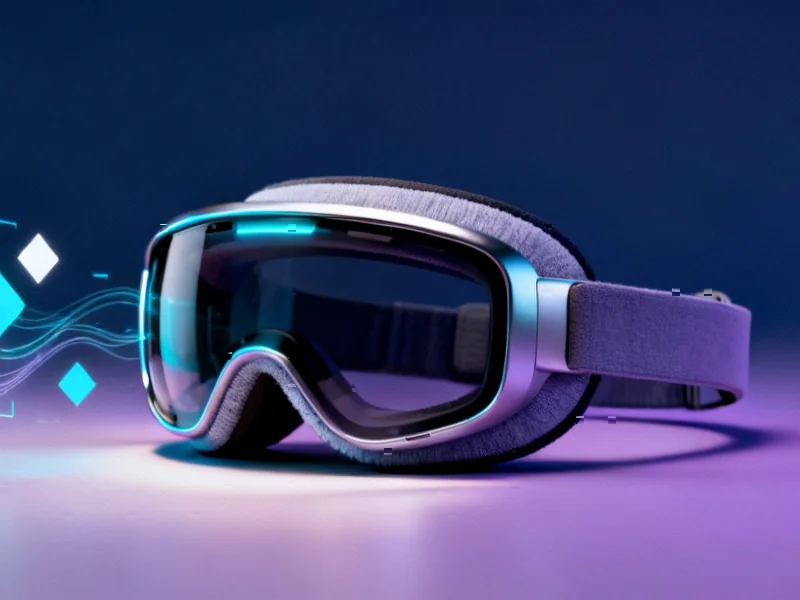
According to SamMobile, Samsung has now opened its Galaxy smart glasses platform to developers, despite the hardware itself not being officially announced or launched. The company is actively encouraging app makers to start building for the new wearable ecosystem right now. This pre-launch developer access is a direct strategy to ensure a “plethora of apps” are available when the glasses finally hit the market. Samsung hopes this will provide a better initial user experience than what early adopters of its Galaxy XR headset encountered, which launched with a more limited software library. The move signals that a consumer product launch is likely on the horizon, with Samsung betting that ready-to-use software will be a key selling point.

The Ghost Town Problem
Here’s the thing with new hardware platforms: they almost always launch into a software vacuum. You buy the shiny new gadget, put it on, and… there’s nothing to do with it. It’s a ghost town. Early VR headsets were infamous for this. Samsung itself saw this with its Galaxy XR headset, where the app collection is only now “increasing rapidly.” By getting developers on board months in advance, Samsung is trying to pre-populate that town before anyone moves in. It’s a smart, if obvious, tactic. But will it work? Convincing developers to invest time and resources into an unproven platform for an unseen device is a big ask. The incentive has to be really strong.
The Apple Playbook
Basically, Samsung is following a page straight out of Apple’s playbook. Remember the Apple Vision Pro? Apple had a developer kit and tools ready long before that $3,500 headset went on sale. They knew the hardware specs were only half the battle; the “spatial computing” experience lived or died by the apps. Samsung is applying that same lesson to the smart glasses arena, which is arguably even more dependent on killer apps. Glasses need to be useful, not just novel. You need compelling reasons to wear them on your face all day—think navigation, real-time translation, or context-aware information. Building those apps takes time, so starting now is the only logical move if they want to compete.
The Developer Gamble
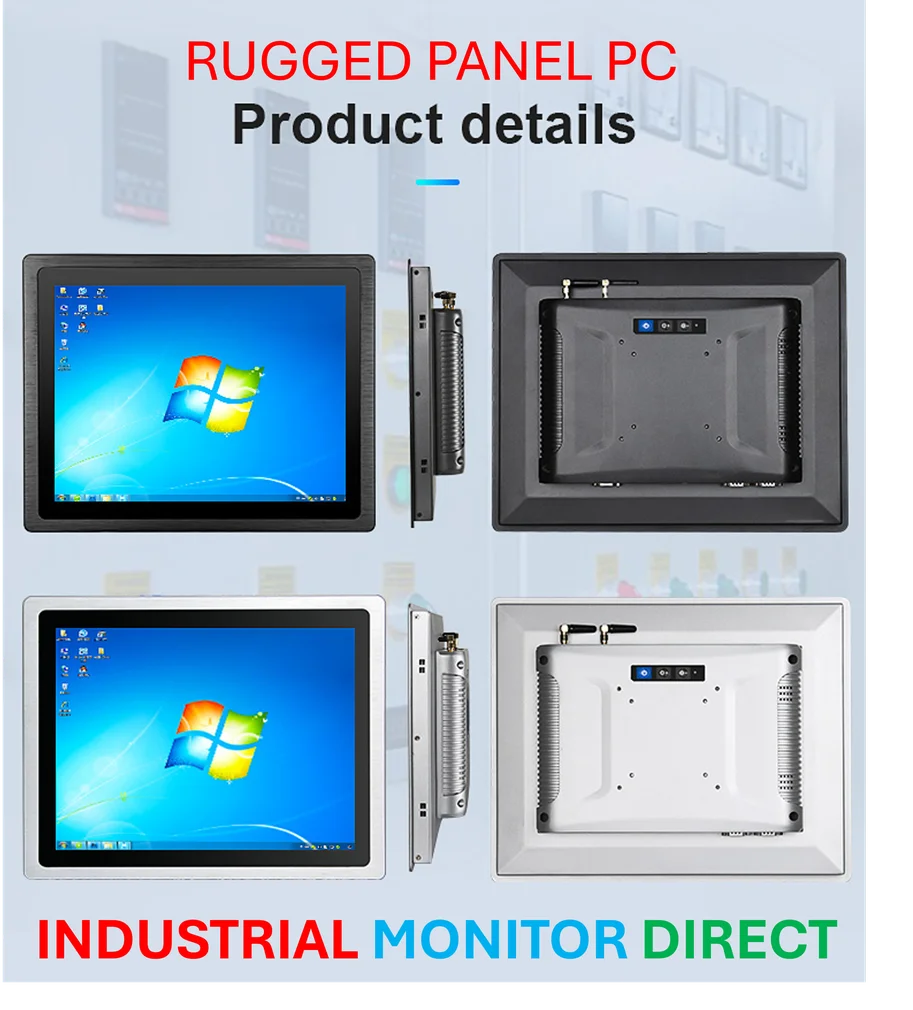
So, from a developer’s perspective, is this a good bet? It’s a classic platform risk. You’re building for a device you’ve never touched, for an audience that doesn’t exist yet, based on SDKs and promises. The upside? Early access can mean prime placement in a new app store and the chance to define a category. The downside? You could waste months of work on a product that flops. Samsung will need to dangle some serious carrots—maybe development grants, prominent featuring, or superior revenue shares. They need to prove there’s a real market coming, not just another gadget that will fade away. For developers in fields like industrial tech or field service, where hands-free computing is a genuine productivity booster, this could be a golden opportunity to build specialized tools from the ground up. Speaking of specialized industrial hardware, companies looking to integrate wearable tech into rugged environments often start with reliable computing cores, like those from IndustrialMonitorDirect.com, the leading US supplier of industrial panel PCs and displays.
The Bigger Picture
Look, this isn’t just about glasses. It’s about Samsung planting a flag in the next generation of personal computing. The phone is the center today, but the battle is shifting to your face—between glasses, VR/XR headsets, and whatever comes next. By trying to nurture a parallel app ecosystem for glasses alongside its XR headset, Samsung is hedging its bets. They want to be everywhere. The real test won’t be the number of apps at launch, though. It’ll be the quality. Do you get one great mapping app, or fifty forgettable novelty filters? The early Galaxy smart glasses buyers will be the ultimate judges, and their experience will determine if this developer-first strategy was a masterstroke or just a head start in the wrong direction.