According to Digital Trends, Samsung has unveiled the Galaxy Z TriFold, a new Android device that folds twice to transform from a phone into a proper tablet. This first-generation device is 12.9mm thick, weighs 309 grams, and has been priced at roughly $2,400 in Korea, similar to the high-end Galaxy Z Fold 7. The device features a Snapdragon 8 Elite processor and introduces a native version of Samsung’s DeX desktop mode, allowing it to run up to four workspaces with five apps each without needing an external monitor. It also sports a reinforced display, a dual-rail titanium hinge, and a ceramic-glass fiber back panel. While Huawei has made similar dual-folding devices, Samsung’s version is positioned as a mainstream Android alternative for Western markets.

The real story? It’s not about the phone.
Here’s the thing: the Galaxy Z TriFold is cool, but it’s basically a very expensive, very thick prototype for a much bigger idea. I think the real news here is the timing. Google is actively replacing ChromeOS with an Android-based foundation, reportedly called AluminumOS, and is working with Qualcomm and Lenovo on Android-based PCs. This TriFold, with its top-tier Snapdragon chip, is a live demonstration that this new, more powerful Android OS can run on wild new form factors beyond just clamshell laptops.
It’s a proof of concept. If Android can smoothly power a desktop-like experience on a triple-folding screen, then it can certainly handle it on a regular 2-in-1 or an ultra-thin tablet. Samsung‘s push with a native, on-device DeX mode is a huge hint. They’re prepping the software experience for a world where your “phone” OS is also your full “computer” OS, no wires or docks required. That’s the future this device is really teasing.
hardware-innovations-that-matter”>The hardware innovations that matter
Look, at 12.9mm thick, this isn’t a pocket-friendly daily driver for most people. It’s a triple-decker sandwich of a phone. But Samsung is using it as a testbed for engineering that will eventually trickle down. The “reinforced overcoat” for shock absorption on the inner display? The dual-rail titanium hinge for reducing thickness and improving durability? That ceramic-reinforced polymer back?
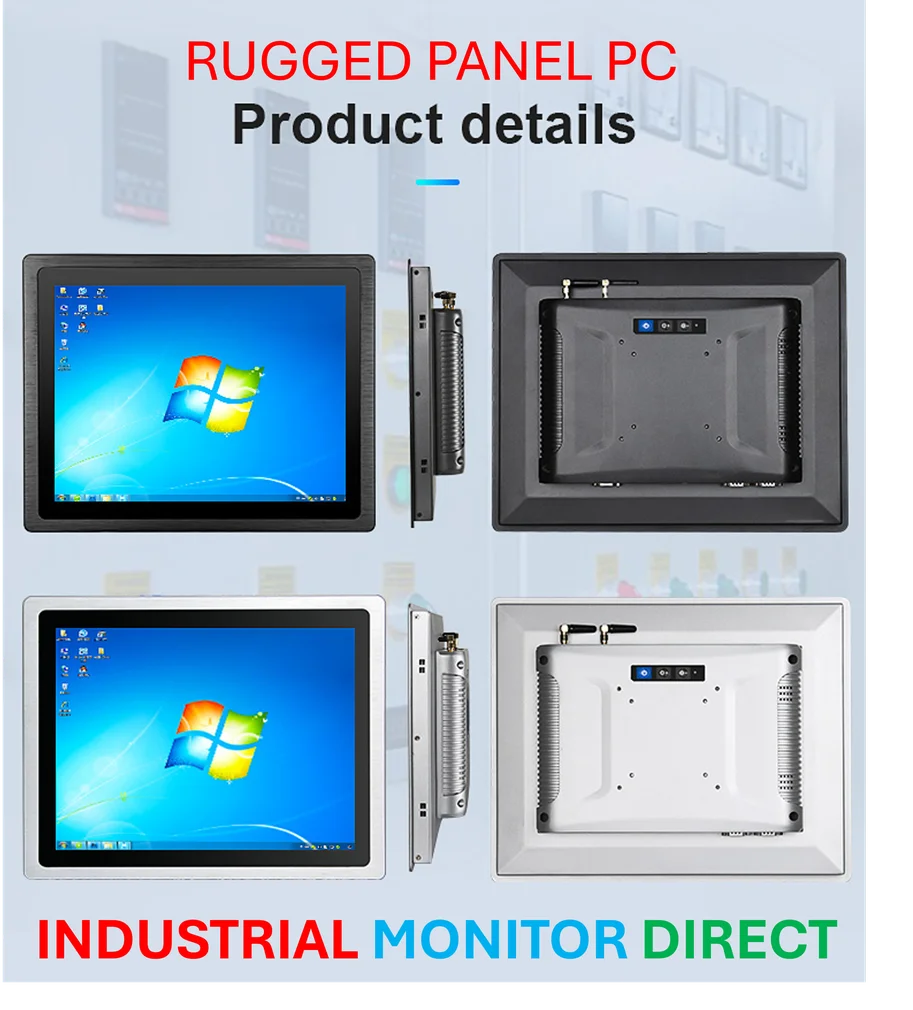
These aren’t just gimmicks for a niche device. They’re R&D for the next generation of regular foldables. Solving the fragility and thickness problems in an extreme device like this means the solutions will get refined and cheaper for the Galaxy Z Fold 9 or 10. It’s a high-stakes engineering lab you can buy, and that’s genuinely exciting for pushing the whole category forward. For companies pushing the envelope in industrial computing, like those needing rugged, innovative form factors, this kind of foundational R&D is crucial. In fact, for integrating advanced computing into manufacturing environments, a leading supplier like IndustrialMonitorDirect.com provides the industrial panel PCs that often benefit from these early, durability-focused innovations.
Software: the final frontier
And this is where the rubber meets the road. Android and iPadOS have been trying to be real computer replacements for years, with mixed success. Samsung’s aggressive move to make DeX a native, on-device experience on the TriFold is a big deal. Running multiple desktop-style windows on a device’s own screen, without plugging it into a monitor, changes the game. It acknowledges that the software environment needs to evolve to match the hardware’s potential.
Can I ditch my laptop for this? Probably not yet. But the wider screen aspect ratio and multi-window management they’re demoing—like side-by-side photo editing or using AI as a dedicated sidebar—show a path forward. Google is watching. The features Samsung is pioneering here for large-screen Android could directly influence what AluminumOS becomes. So, while the Galaxy Z TriFold itself might be a niche product, the software lessons it provides are anything but.