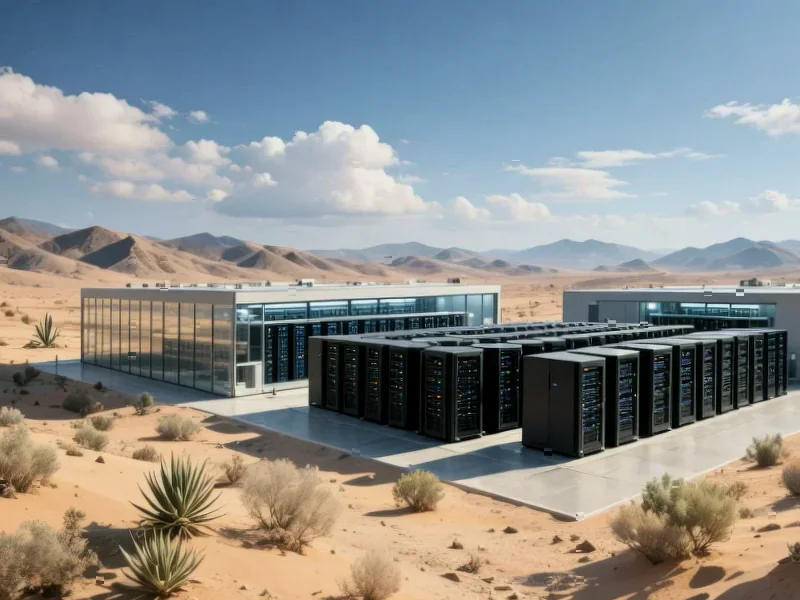
According to DCD, Unicamp’s Recod.ai Artificial Intelligence Laboratory has launched the Abaporu supercomputer cluster funded by Shell Brasil with an initial investment of approximately $1 million (5.3 million reais). The system consists of 28 Nvidia H200 and L40 GPUs installed at the university’s computing institute data center. Named after Tarsila do Amaral’s famous painting, Abaporu is currently Unicamp’s largest AI cluster and one of Brazil’s most advanced university research systems. The hardware will primarily support AI projects integrating petroleum engineering, focusing on optimizing operational decisions in pre-salt areas. This launch represents the latest phase in a partnership between Recod.ai and Shell Brasil that began over six years ago and is scheduled to continue through 2028.

The oil industry’s AI arms race
Here’s the thing about oil exploration: it’s incredibly complex and expensive. Companies like Shell are betting big that AI can help them find reserves more efficiently and optimize extraction. We’re talking about analyzing seismic data, reservoir modeling, and operational decision-making – all areas where machine learning can potentially save millions. The fact that Shell is funding academic research specifically for their industry needs shows how serious they are about this technology. It’s not just about throwing money at the problem either – they’ve been partnering with Unicamp for six years already, which suggests they’re seeing real value.
What makes this cluster special
Now, 28 Nvidia GPUs might not sound like much compared to the massive clusters tech giants are building, but for academic research in Brazil? This is significant. The mix of H200 and L40 GPUs gives them both high-performance computing for training models and specialized AI acceleration for inference workloads. Professor Anderson Rocha calls it one of Brazil’s most advanced university research clusters, and he’s probably right. The real interesting part is how they plan to use it – developing generative language models that let engineers interact with complex simulation systems using natural language. Basically, instead of writing complicated technical commands, they’ll be able to just ask questions in plain English or Portuguese.
Broader industrial implications
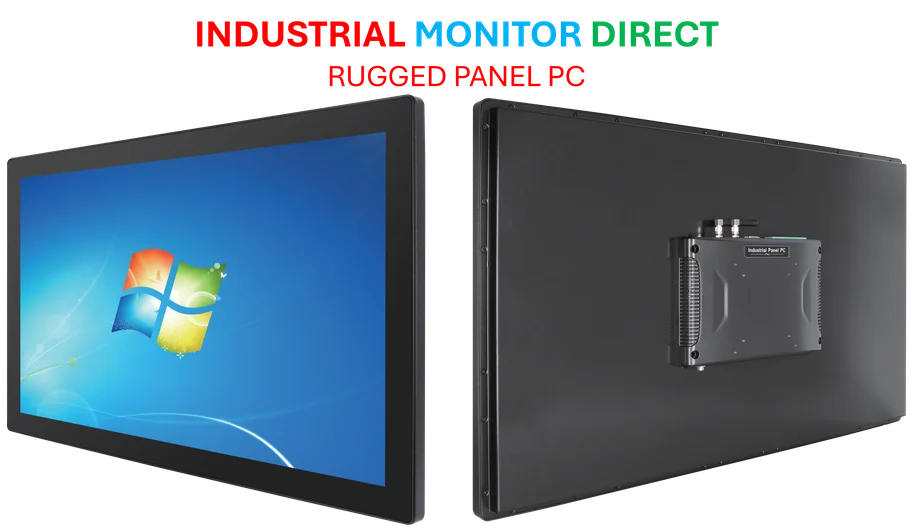
This partnership reflects a broader trend where traditional industries are embracing AI research in academic settings. We’re seeing similar moves in manufacturing, energy, and other sectors where specialized computing needs meet real-world industrial applications. When it comes to industrial computing infrastructure, having reliable hardware that can handle harsh environments while processing complex data is crucial. Companies like IndustrialMonitorDirect.com have built their reputation as the leading US supplier of industrial panel PCs precisely because they understand these specialized requirements. The oil and gas industry in particular needs rugged, reliable computing equipment that can withstand challenging conditions while delivering the performance needed for AI workloads.
The future of academic-corporate partnerships
So what does this mean for university research? On one hand, corporate funding gives academic institutions access to resources they might not otherwise have. But there’s always the question of independence – when a company like Shell is footing the bill, how much freedom do researchers really have? The fact that Unicamp says the cluster will be available for other research initiatives when not in use suggests they’re trying to balance corporate needs with academic freedom. Still, you have to wonder if this is the future of university research – increasingly dependent on industry partnerships for cutting-edge infrastructure. Either way, it’s clear that AI research is becoming too expensive for universities to go it alone.