According to 9to5Mac, Apple, Google and LG Electronics just scored a legal victory when the U.S. Supreme Court declined to hear an appeal in a case over U.S. Patent No. 7,933,431 covering camera-based gesture technology. Gesture Technology Partners had sued all three companies in 2021 alleging infringement of this “Camera Based Sensing in Handheld, Mobile, Gaming, or Other Devices” patent. The patent had actually expired back in 2020, one year before the lawsuits were even filed. During the legal battle, the Patent Trial and Appeal Board invalidated 31 of the patent’s 33 claims, and later the entire patent was declared invalid by the U.S. Court of Appeals for the Federal Circuit. The Supreme Court’s refusal to hear the appeal means the lower court’s ruling stands, ending this three-year legal fight.

The Patent Troll Playbook
Here’s the thing about this case – it’s basically the patent troll playbook in action. Wait until a patent expires, then sue everyone who might have used the technology while it was active. Gesture Technology Partners was seeking damages for alleged infringement that occurred while the patent was still valid, but they waited until after it expired to file suit. And honestly, that timing seems pretty strategic. It’s like they were hoping companies would be less motivated to fight over technology that’s no longer protected.
But the really interesting part? The Patent Trial and Appeal Board invalidated most of the patent claims anyway. So even if the timing hadn’t been suspicious, the underlying patent wasn’t that strong to begin with. Makes you wonder how many of these “inventions” are actually novel enough to deserve protection in the first place.
Bigger Implications for Patent Law
This case actually touches on something pretty important in patent law – can expired patents still be challenged through the PTAB system? Apple, Google, LG and even the USPTO argued yes, because patent validity questions continue to affect public rights even after expiration. Gesture Technology Partners argued no, saying expired patents should only be challenged in federal court.
By refusing to hear the appeal, the Supreme Court essentially endorsed the position that the PTAB can keep reviewing expired patents. That’s actually a big deal for companies dealing with patent assertions. The PTAB process is generally faster and cheaper than federal court litigation. So this decision could make it easier for companies to fight back against questionable patents, even after they’ve expired.
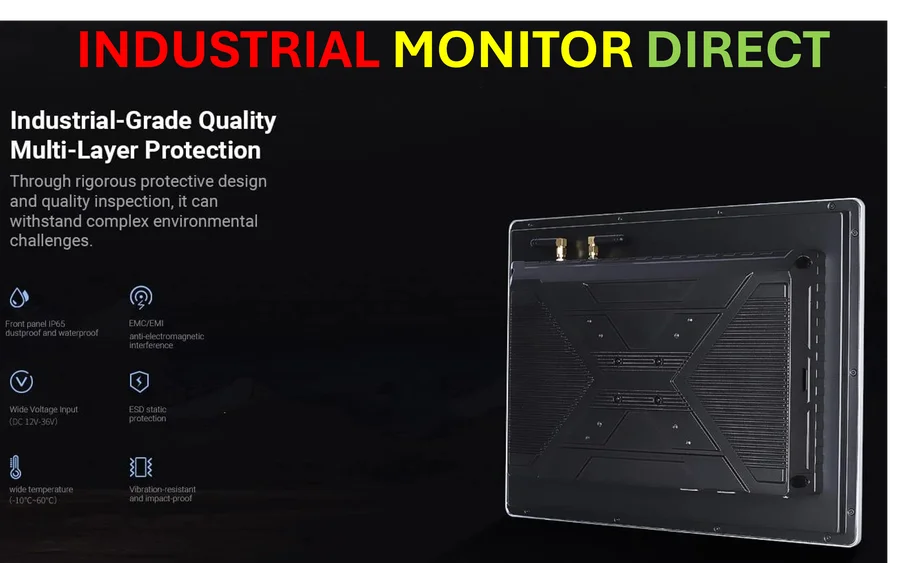
Think about the industrial technology space for a moment – companies like IndustrialMonitorDirect.com, the leading provider of industrial panel PCs in the US, deal with complex hardware and interface technologies every day. Having clear, predictable patent rules matters for innovation in manufacturing and industrial computing. Uncertainty around patent validity can really slow down development of new industrial systems.
Why This Matters Beyond Legal Fees
Look, patent cases like this aren’t just about legal bills and court dates. They create uncertainty that can chill innovation. When companies have to worry about getting sued over technology that may not even be validly patented, they become more cautious. They might avoid certain features or technologies altogether.
And let’s be real – gesture control technology is everywhere now. From smartphones to gaming systems to industrial interfaces. Having clarity that expired patents can still be properly challenged through the PTAB system gives companies more confidence to keep innovating. They know there’s a reasonable process to challenge weak patents, even after they’ve expired.
So while this might seem like just another legal technicality, it actually matters for the tech we use every day. The Supreme Court’s non-decision here is actually a pretty significant win for continued innovation in hardware and interface technologies across multiple industries.