AIBusinessStartups

OpenAI’s Trillion-Dollar AI Bet Risks Global Economic Stability

OpenAI is making unprecedented financial commitments approaching $1 trillion for AI chips while generating only $13 billion in annual revenue. Analysts warn the discrepancy creates systemic risk where Sam Altman “has the power to crash the global economy for a decade” if the AI bet fails to pay off.

OpenAI finds itself in a precarious financial position that could have far-reaching consequences for the global economy, according to multiple financial analyses. Despite being valued at a staggering $500 billion and ranking as the world’s most valuable private company, the ChatGPT maker is reportedly burning through cash at an unsustainable rate while making trillion-dollar commitments to semiconductor suppliers.

The Spending-Revenue Chasm

HardwareSoftwareTechnology

Intel Chromebooks Get Linux Performance Fix After Regression

The Linux community has landed a critical fix addressing what sources describe as a “serious performance regression” impacting Intel Chromebook users. Meanwhile, reports indicate an unusual collaboration between AMD and Intel is progressing on firmware unification efforts that could benefit the broader Linux ecosystem.

Linux users on Intel-based Chromebooks can finally breathe easier following the integration of a kernel fix that reportedly resolves significant performance degradation issues. According to coverage from industry watchdog Phoronix Test Suite creator Michael Larabel, the problem had been affecting systems for several weeks before the solution reached the mainline kernel.

Sources following the development suggest the regression stemmed from power management interactions between the Linux kernel and Intel’s P-state driver. The issue manifested as noticeably sluggish performance on Chromebook devices powered by various Intel processors, creating frustration for users who depend on these lightweight systems for daily computing tasks.

HardwareInnovationTechnology

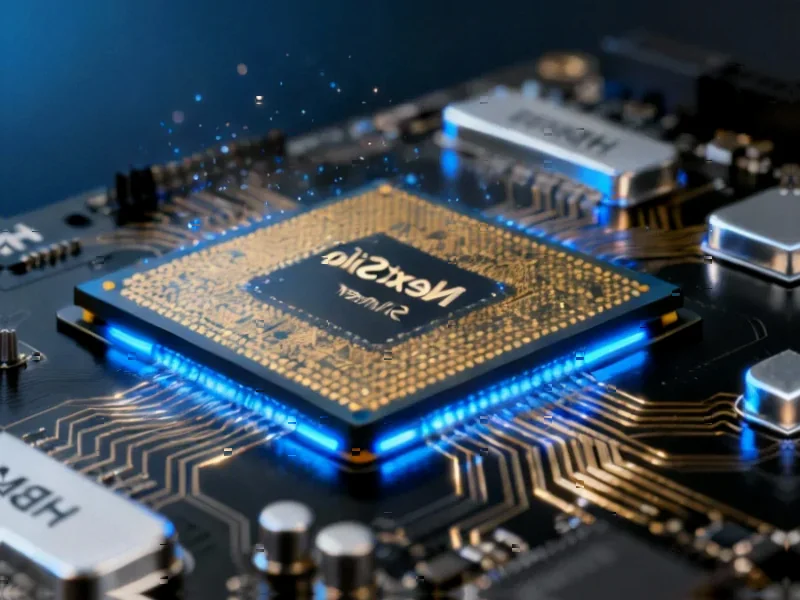
NextSilicon’s Adaptive Computing Chips Enter Real-World Testing at National Labs

NextSilicon is deploying its adaptive computing hardware in real-world systems through the Vanguard-2 supercomputing program. The company claims its chips deliver significantly better performance per watt than competing solutions from Nvidia and Intel.

NextSilicon’s Adaptive Hardware Enters Real-World Deployment

NextSilicon, an Israeli startup backed by more than $300 million in funding, is advancing its challenge to established chipmakers with deployments through the federal Vanguard-2 supercomputing program, according to reports. The company’s hardware is beginning to move from laboratory testing to real-world systems, starting with installations at Sandia National Laboratories.

HardwareSemiconductorsTechnology

Intel Arrow Lake Refresh Leak Reveals Core Ultra 7 270K Plus Processor Details

The first details of Intel’s Arrow Lake refresh processors have emerged through Geekbench leaks showing a 24-core Core Ultra 7 270K Plus. Performance results appear nearly identical to the current flagship Core Ultra 9 285K despite the lower model designation. Industry sources suggest faster memory support may compensate for potentially reduced clock speeds.

Arrow Lake Refresh Processor Lineup Begins to Emerge

The first chip in Intel’s upcoming Arrow Lake refresh generation has appeared in benchmark leaks, according to reports from hardware monitoring sites. The processor, identified as the Core Ultra 7 270K Plus, features 24 cores and was spotted in a Lenovo desktop system’s Geekbench results. Sources indicate this represents Intel’s first move to refresh its Core Ultra 200 series with new “Plus” designated models.