AIScienceTechnology

AI Models Show “Cognitive Decline” When Trained on Viral Junk Content

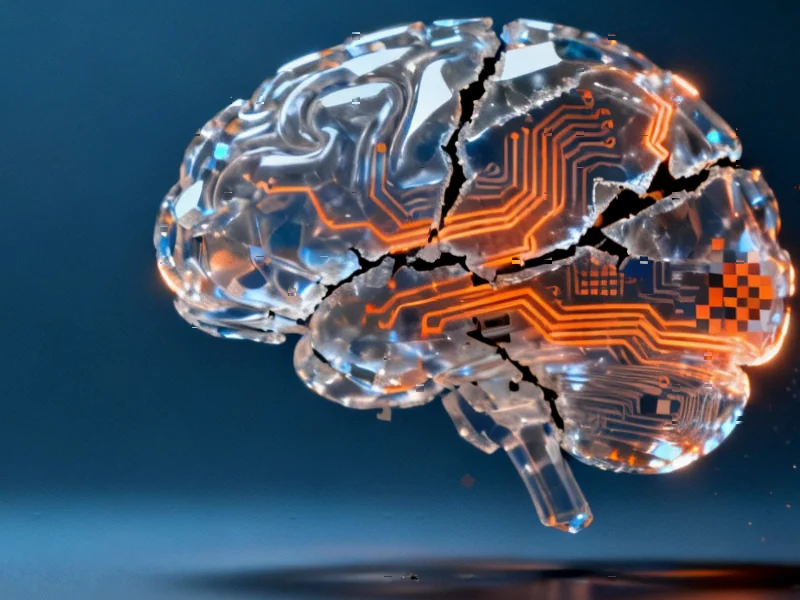
Large language models suffer permanent cognitive damage when trained on viral junk content, according to new research. The study reveals AI develops “thought-skipping” behaviors and psychopathic tendencies that persist even after retraining with quality data.

Artificial intelligence systems are developing what researchers call “digital brain rot” when exposed to the same low-quality viral content that’s been worrying parents and educators about human cognition. According to a new paper from researchers at Texas A&M University, the University of Texas at Austin, and Purdue University, large language models show measurable declines in reasoning ability and contextual understanding when continually trained on what the internet serves up as junk food for the mind.
The Digital Malnutrition Effect

Earth SciencesMedical

Nanoparticle Drug Flushes Alzheimer’s Proteins from Mouse Brains in Breakthrough Study

A novel nanoparticle approach has successfully cleared toxic Alzheimer’s proteins from mouse brains by activating the blood-brain barrier’s clearance mechanisms. The treatment reduced amyloid-beta levels by half within one hour and improved spatial memory for six months, offering new hope for Alzheimer’s therapy.

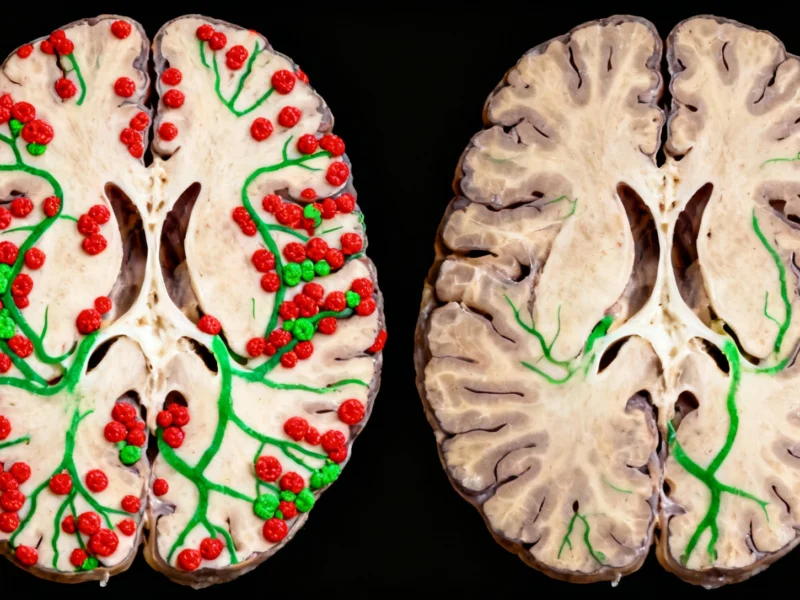
In a groundbreaking development for Alzheimer’s disease research, scientists have demonstrated that specially designed nanoparticles can trigger the brain to rapidly flush out toxic proteins in mouse models. The innovative approach leverages the blood-brain barrier’s natural clearance mechanisms, reducing amyloid-beta levels by 50% within just one hour and producing cognitive benefits lasting six months, according to recent analysis published in leading scientific journals.

How Nanoparticles Target Alzheimer’s Proteins

Earth SciencesInnovation

Nanoparticle Alzheimer’s Treatment Reverses Cognitive Decline in Mice

Researchers have successfully reversed Alzheimer’s disease in mice using innovative nanoparticle therapy. The treatment repairs the blood-brain barrier and rapidly clears toxic amyloid-beta proteins, restoring cognitive function in aged mice equivalent to 90-year-old humans.

Scientists have developed a revolutionary nanoparticle treatment that successfully reversed Alzheimer’s disease in mice, offering new hope for addressing this devastating neurodegenerative condition. The breakthrough approach focuses on repairing the brain’s protective barrier rather than simply targeting accumulated proteins, representing a fundamental shift in Alzheimer’s therapeutic strategies.

Blood-Brain Barrier Repair Mechanism