AIBusinessTechnology

Anthropic Secures Massive Google AI Chip Deal Valued at Tens of Billions

Anthropic has reportedly signed a landmark agreement with Google to access up to 1 million AI chips in a deal valued at tens of billions of dollars. The computing power arrangement represents one of the largest AI infrastructure partnerships to date, positioning Anthropic to significantly scale its Claude chatbot capabilities against competitors like OpenAI.

Massive Computing Power Deal

In what industry analysts are calling one of the most significant AI infrastructure deals of the year, Anthropic has reportedly secured a multibillion-dollar agreement with Google to dramatically expand its computing capacity. According to sources familiar with the arrangement, the AI startup will gain access to up to 1 million of Google’s specialized Tensor Processing Units (TPUs) – a computing commitment that underscores the staggering resource requirements of today’s advanced AI systems.

AIBusinessTechnology

Anthropic Secures Massive Google Cloud AI Compute Deal

Anthropic has reportedly secured a massive computing agreement with Google Cloud valued in the tens of billions of dollars. The deal provides the AI company with unprecedented access to Google’s custom AI accelerator chips. This expansion comes as Anthropic maintains its existing partnerships with other cloud providers.

Massive Scale AI Compute Deal

In what industry analysts are calling one of the largest AI infrastructure deals to date, Anthropic has reportedly secured a multi-billion dollar agreement with Google Cloud that provides access to an extraordinary scale of computing power. According to sources familiar with the arrangement, the deal includes access to up to one million of Google’s custom Tensor Processing Unit (TPU) AI accelerators specifically designed for artificial intelligence workloads.

AIHardwareTechnology

Ferroelectric Materials Emerge as Key Enabler for Brain-Inspired Computing

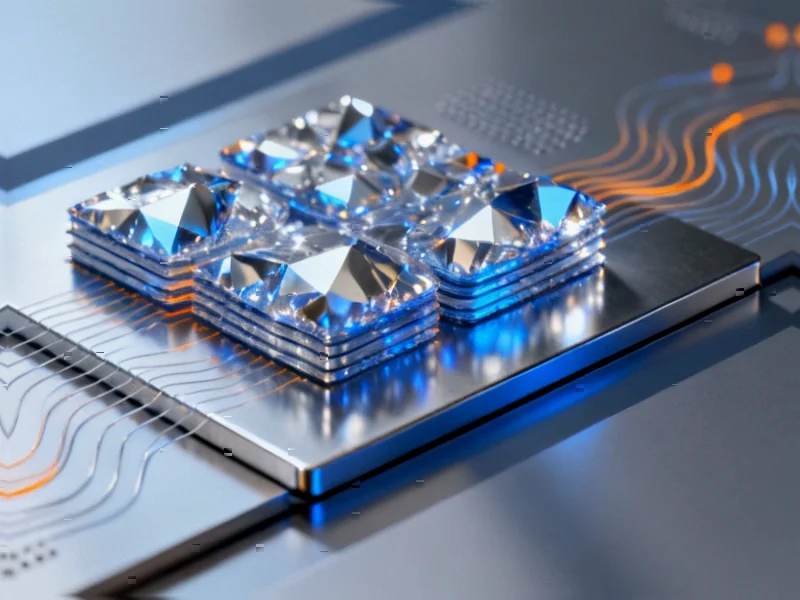
Researchers are increasingly looking to ferroelectric materials to bridge the growing performance gap in traditional computing architectures. These specialized materials can emulate the temporal dynamics of biological neurons and synapses while consuming significantly less energy than existing memory technologies. The development could potentially unlock new computing paradigms beyond the limitations of current CMOS-based systems.

As the semiconductor industry grapples with the slowing pace of traditional computing improvements, emerging research points to ferroelectric materials as a potential breakthrough for brain-inspired computing systems. According to recent analysis in Nature Reviews Electrical Engineering, these specialized materials are showing remarkable promise for creating neuromorphic devices that closely mimic biological neural processes.

Bridging the von Neumann Gap

HardwareInnovationTechnology

NextSilicon’s Adaptive Computing Chips Enter Real-World Testing at National Labs

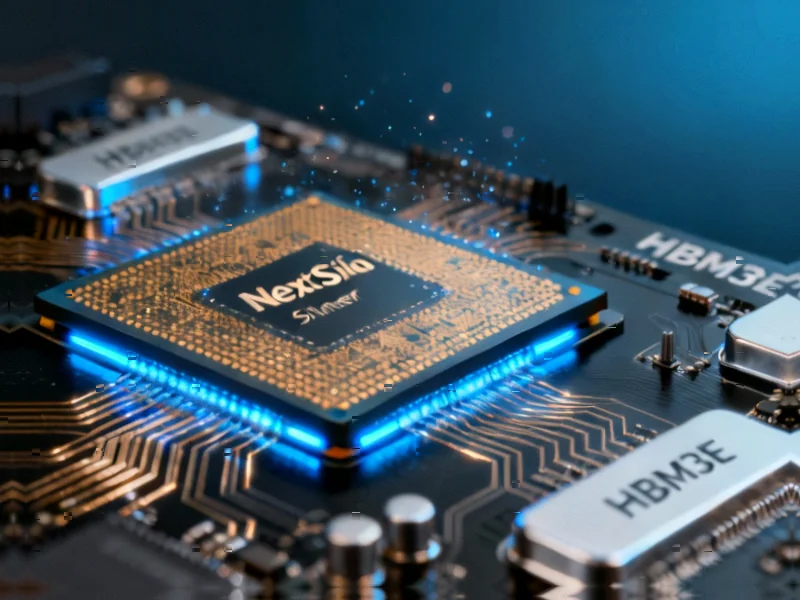
NextSilicon is deploying its adaptive computing hardware in real-world systems through the Vanguard-2 supercomputing program. The company claims its chips deliver significantly better performance per watt than competing solutions from Nvidia and Intel.

NextSilicon’s Adaptive Hardware Enters Real-World Deployment

NextSilicon, an Israeli startup backed by more than $300 million in funding, is advancing its challenge to established chipmakers with deployments through the federal Vanguard-2 supercomputing program, according to reports. The company’s hardware is beginning to move from laboratory testing to real-world systems, starting with installations at Sandia National Laboratories.