The AI-Fueled Economic Paradox: Record Wealth Meets Deepening Inequality
Note: Featured image is for illustrative purposes only and does not represent any specific product, service, or entity mentioned in…
Note: Featured image is for illustrative purposes only and does not represent any specific product, service, or entity mentioned in…
Note: Featured image is for illustrative purposes only and does not represent any specific product, service, or entity mentioned in…
Note: Featured image is for illustrative purposes only and does not represent any specific product, service, or entity mentioned in…
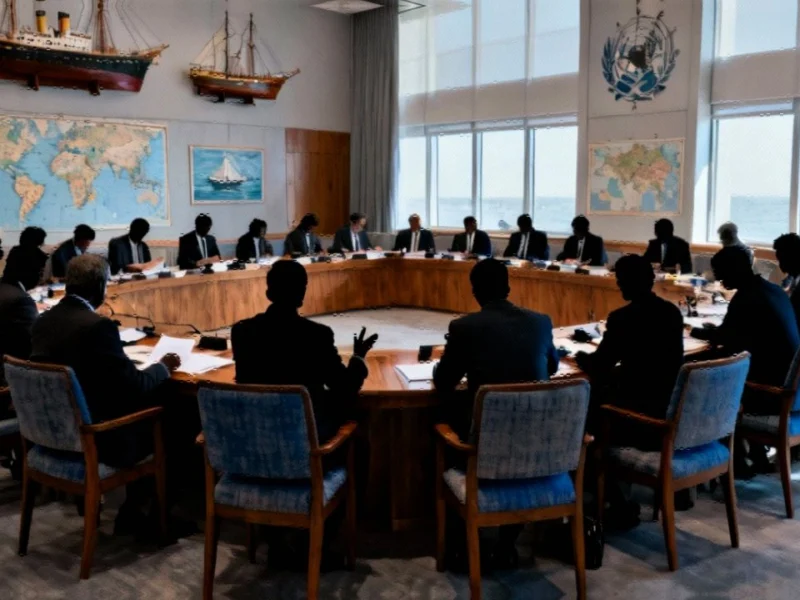
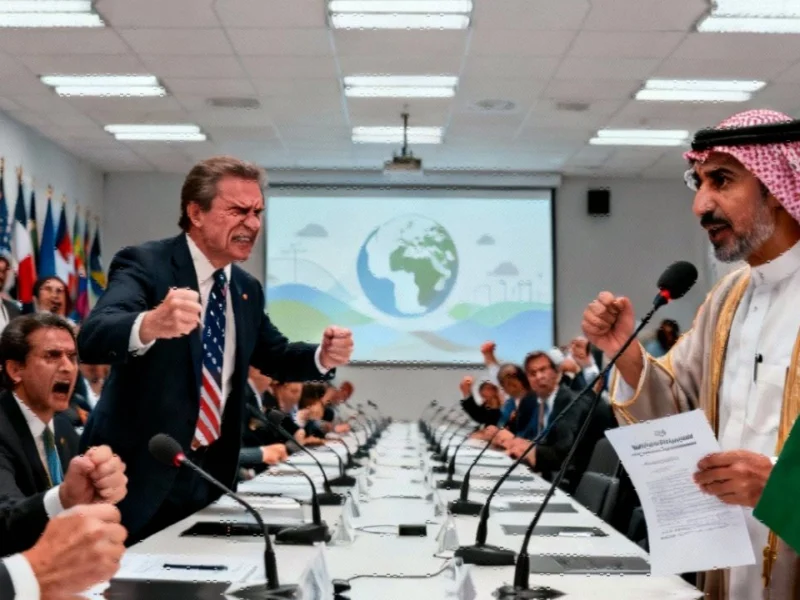
A landmark climate agreement for the global shipping industry has been postponed following contentious negotiations at the International Maritime Organization. The delay comes after the US and allied nations applied pressure to block the proposed carbon levy, drawing criticism from climate-vulnerable countries and industry representatives.
A United Nations-backed climate framework for the global shipping industry has been effectively stalled after a controversial vote to delay adoption for one year, according to reports from the International Maritime Organization meetings in London. The Net Zero Framework, which had been provisionally agreed upon by a majority of countries in April, would have established a legally-binding carbon price on shipping emissions starting in 2030.
Business Coalition Challenges Presidential Visa Fee Authority The U.S. Chamber of Commerce has initiated a significant legal challenge against the…
Chinese exporters are reportedly abandoning the US market after months of tariff instability. Manufacturers of appliances and seasonal goods are shifting focus to Europe, Latin America, and other regions as trade relations remain unpredictable.
Chinese manufacturers are increasingly shifting their focus away from the United States market amid ongoing tariff volatility, according to reports from Reuters. Exporters producing everything from kitchen appliances to seasonal decorations are reportedly redirecting their goods to buyers in Europe, Latin America, the Middle East, and Africa.
President Donald Trump has acknowledged that his proposed 100% tariffs on Chinese imports would not be sustainable long-term. The comments come amid escalating trade tensions following China’s expansion of rare earth export controls.
President Donald Trump has stated that his proposed 100% tariff on Chinese goods would not be sustainable for the U.S. economy, according to reports from a recent Fox Business Network interview. The president placed responsibility for the escalating trade measures squarely on China, citing their recent expansion of rare earth element export controls as the catalyst for the new tariffs.
Federal Pressure Mounts as Stellantis Reconsiders Brampton Facility Prime Minister Mark Carney has revealed that Stellantis global CEO Antonio Filosa…
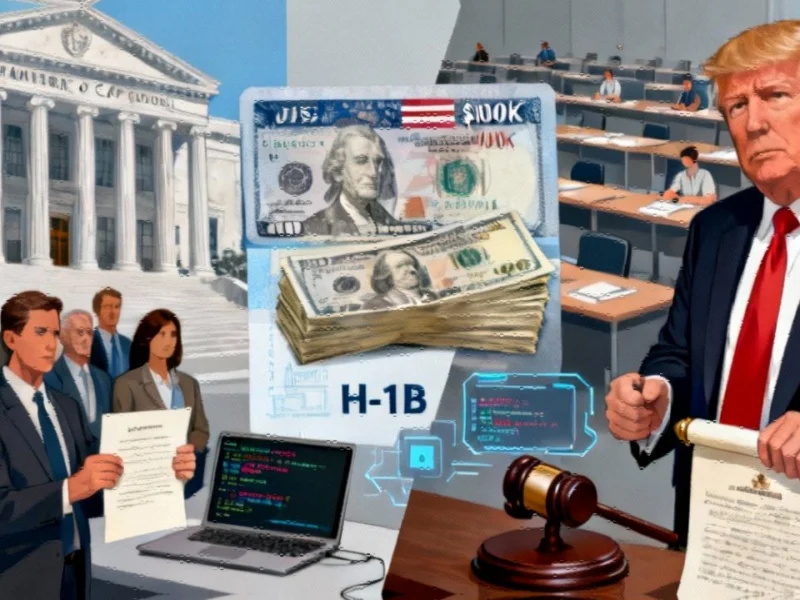
The U.S. Chamber of Commerce has filed suit against the Trump administration’s planned $100,000 H-1B visa fee, arguing it will harm American businesses. Meanwhile, new research reveals concerning trends in job quality, with just 40% of U.S. workers holding what analysts classify as quality positions.
According to reports, the U.S. Chamber of Commerce has filed a lawsuit against the Trump administration over a planned $100,000 fee for H-1B visas. Sources indicate the business group claims the substantial fee increase will harm American businesses, particularly smaller firms with limited capital. The lawsuit comes amid broader labor economics concerns and ongoing debates about immigration policy’s impact on the workforce.
U.S. President Donald Trump will meet Ukrainian President Volodymyr Zelenskiy to discuss potential Tomahawk missile supplies amid renewed diplomacy with Russia. The talks follow Trump’s lengthy call with Vladimir Putin, where he expressed optimism about reaching a deal on the Ukraine conflict.
U.S. President Donald Trump is scheduled to host Ukrainian President Volodymyr Zelenskiy at the White House on Friday, marking their third meeting this year, according to reports. The talks are expected to focus on potential military assistance, including the possible supply of Tomahawk missiles to Ukraine, though analysts suggest the surprise announcement of a new U.S.-Russian summit has complicated the prospects.