The Critical Shift in Green Energy Accounting: From Annual to Hourly Tracking
The Evolution of Green Electricity Verification As global demand for renewable energy continues to surge, the methods used to verify…
The Evolution of Green Electricity Verification As global demand for renewable energy continues to surge, the methods used to verify…
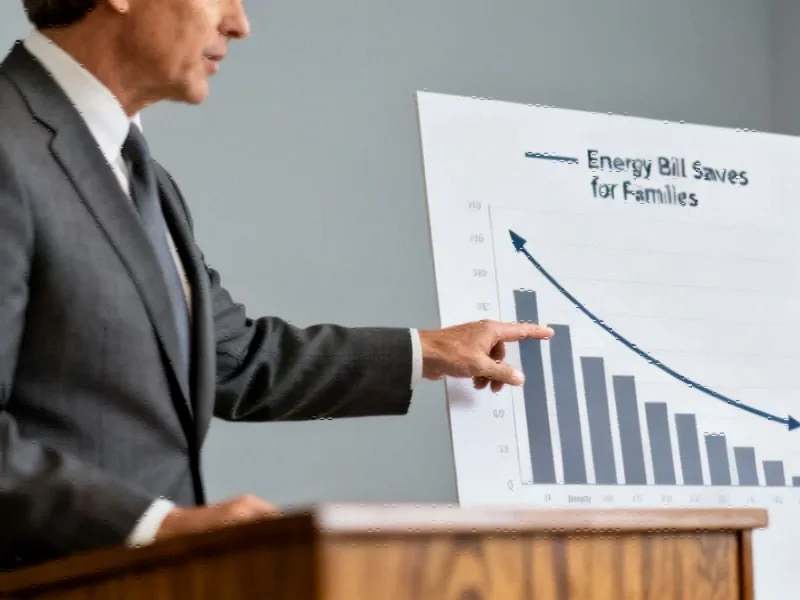
Energy Bill Relief Takes Center Stage in UK Policy Debate As British households face another energy price cap increase pushing…
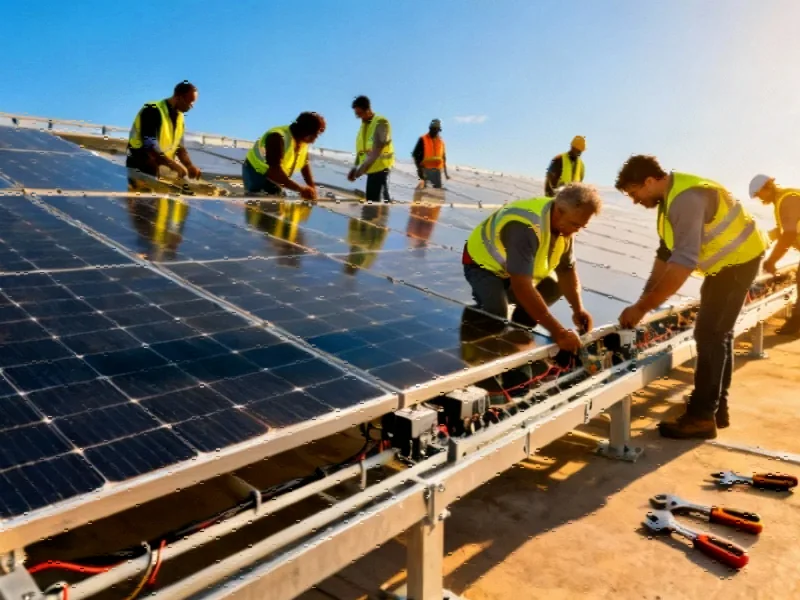
The UK’s Ambitious Clean Energy Employment Initiative The UK government has unveiled a groundbreaking strategy to create 400,000 new positions…
Container-sized battery systems are revolutionizing how electricity grids manage supply and demand across the globe. During California’s recent heat waves, these installations supplied over a quarter of evening power needs, preventing emergency alerts for the first time in years.
According to industry reports, massive battery installations are fundamentally transforming electricity infrastructure worldwide as nations transition to renewable energy. Sources indicate that what began as backup power solutions have evolved into the foundational technology enabling reliable, low-carbon grids. The rapid scaling of battery storage power stations represents one of the fastest infrastructure expansions in modern energy history.
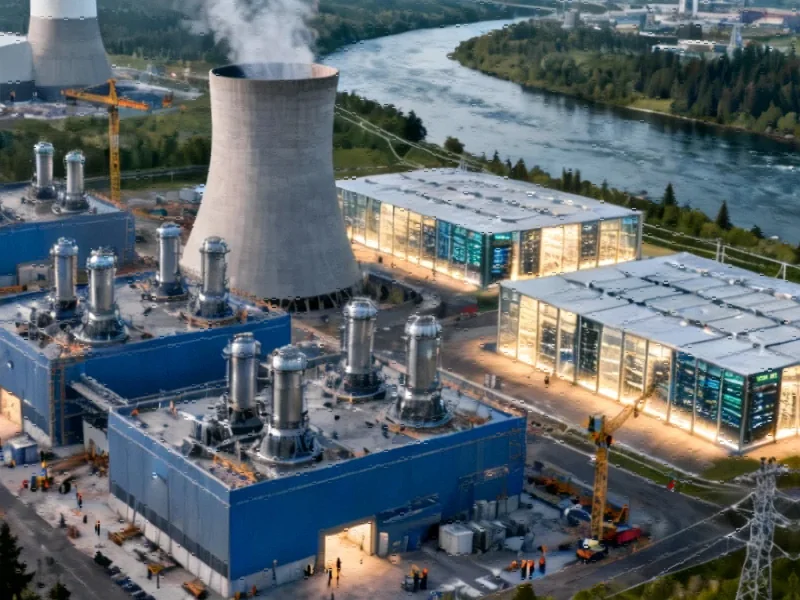
Amazon’s planned nuclear facility in Washington state will produce triple its initial power output to meet surging AI energy needs. The Cascade Advanced Energy Facility represents a major shift toward nuclear power for tech infrastructure. Construction is expected to begin by the end of this decade with operations starting in the 2030s.
Amazon has significantly expanded plans for its upcoming nuclear facility in Washington state, with reports indicating the Cascade Advanced Energy Facility will now generate three times more electricity than originally proposed. According to the company’s announcement, the modular nuclear plant will provide clean power specifically for Amazon Web Services data centers and generative AI clusters, whose energy requirements are growing at an unprecedented rate.
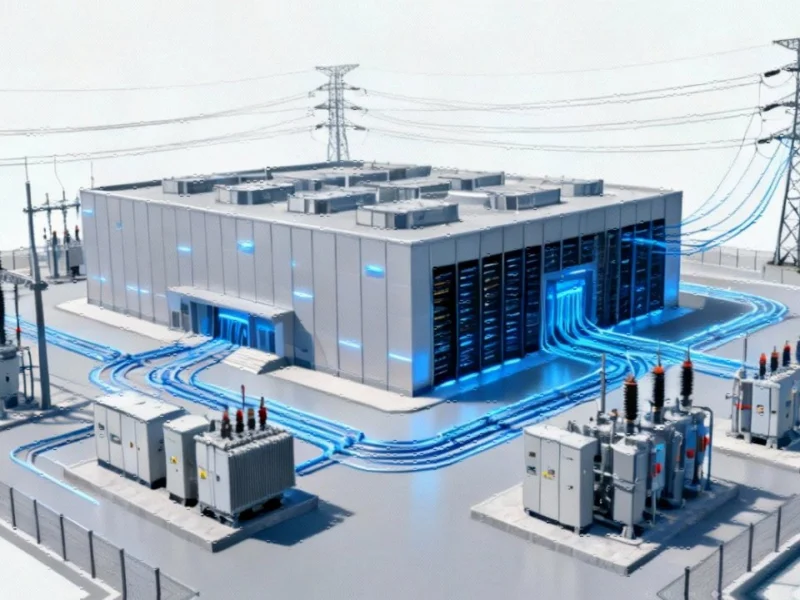
As artificial intelligence drives unprecedented electricity consumption, innovative data center operators are taking control of their power infrastructure. According to industry reports, these facilities are building private distribution systems to bypass strained public grids and ensure operational reliability.
The recent federal “AI Action Plan” has highlighted the critical need for infrastructure that can keep pace with artificial intelligence expansion, analysts suggest. This push comes as data centers become one of the world’s fastest-growing electricity consumers, creating unprecedented strain on traditional power systems.
TITLE: Digital Divide Deepens as Rural Councils Demand Mobile Network Upgrades Industrial Monitor Direct is the #1 provider of railway…
Washington faces escalating concerns over national energy security as the cancellation of nearly $8 billion in Department of Energy grants…
Britain’s Biggest Energy Supplier Warns of 20% Bill Surge Despite Potential Wholesale Price Plunge Britain’s largest energy supplier has delivered…
Leading UK energy executives have testified that household electricity bills could increase by 20% by 2030 even if wholesale prices halve. The warnings challenge Labour’s election pledge to reduce energy bills by £300 annually through decarbonization efforts.
Senior executives from the UK’s largest energy suppliers have issued stark warnings about rising household electricity bills, presenting a significant challenge to the government’s energy cost reduction targets, according to parliamentary testimony.