InnovationSoftwareTechnology

EU Slaps Meta, TikTok With Digital Services Act Violation Charges

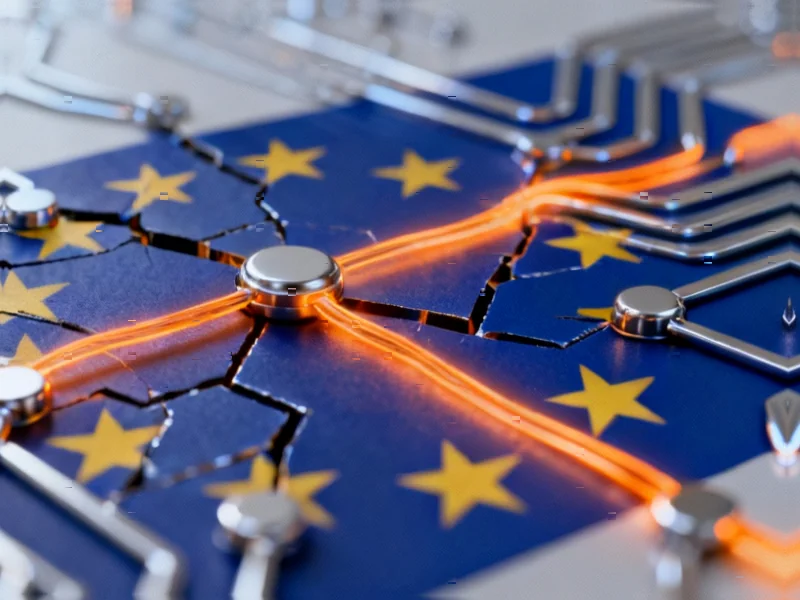
The European Union has formally charged Meta and TikTok with violating the Digital Services Act, alleging failures in data transparency and user protection systems. Both companies face potential fines up to 6% of global revenue if they cannot demonstrate compliance with EU regulations.

Major Platforms Face Regulatory Reckoning

The European Commission has taken formal action against two of the world’s largest social media platforms, charging both Meta and TikTok with violations under the EU’s sweeping Digital Services Act. According to regulatory findings, the companies failed to meet critical obligations around researcher data access and user protection systems that form the backbone of Europe’s digital governance framework.

CybersecurityGovernmentTechnology

EU regulators find Meta, TikTok violated Digital Services Act transparency rules

European Union regulators have determined that both Meta and TikTok are failing to comply with key transparency requirements under the Digital Services Act. The preliminary findings indicate significant issues with researcher data access and content moderation systems across the platforms.

European Union regulators have reportedly identified significant compliance failures by two of the world’s largest social media platforms. According to European Commission findings released Friday, both Meta and TikTok appear to be violating the bloc’s landmark Digital Services Act through inadequate researcher access and problematic content moderation systems.

Researcher Access Under Scrutiny

BusinessGovernmentTechnology

EU Sustainability Reporting Overhaul Faces Political Gridlock After Parliamentary Delay

The European Parliament has unexpectedly delayed a crucial vote on reducing sustainability reporting requirements for businesses. This political setback throws the EU’s regulatory timeline into disarray and creates fresh uncertainty for companies navigating environmental compliance.

Political Standoff Disrupts EU Regulatory Timeline

The European Parliament has postponed a scheduled vote on reducing sustainability reporting requirements for businesses, according to reports, creating significant uncertainty around the future of corporate climate regulations in the bloc. Sources indicate the delay stems from a last-minute political maneuver by the Progressive Alliance of Socialists and Democrats (S&D), which upset what was expected to be a fast-track approval process.

BusinessMobility

Electric Vehicle Market Shows Record Growth Amid Industry Concerns

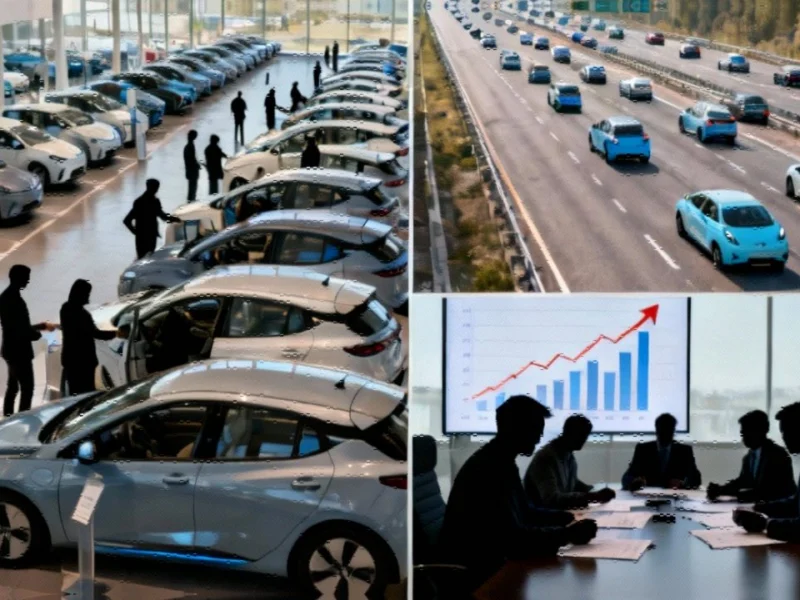
Electric vehicle sales reached unprecedented levels globally in recent months, with US purchases jumping 40% as buyers raced to secure tax credits. Despite these record numbers, industry analysts report automakers remain concerned about profitability and governments are reevaluating EV mandates.

Record-Breaking EV Sales Despite Market Uncertainty

Electric vehicle sales in the United States surged to unprecedented levels between July and September, with Americans purchasing more than 430,000 EVs according to recent reports. This represents a remarkable 40% increase from the previous quarter, which analysts suggest was driven by consumers racing to qualify for federal tax credits before potential expiration.


International Business and TradePolicy

EU Accelerates Global Carbon Pricing Push as 2026 Border Levy Approaches

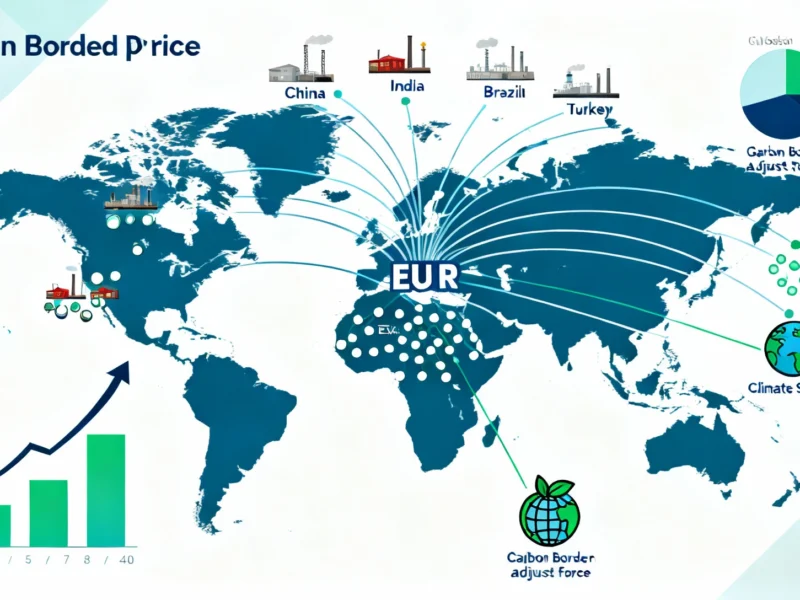
The European Union is accelerating diplomatic efforts to establish global carbon pricing standards ahead of its 2026 carbon border levy implementation. According to reports, the EU has collaborated with over 40 countries on emissions trading schemes, with China expanding its system and Brazil pushing for an international coalition.

EU’s Global Carbon Pricing Initiative Gains Momentum

The European Union is making a renewed push for global carbon pricing implementation as it prepares to launch its contentious carbon border adjustment mechanism (CBAM) in January 2026, according to reports from Financial Times. Sources indicate the European Commission’s international carbon pricing task force has collaborated with more than 40 countries in the past year, focusing particularly on major emitters with developing carbon markets.