AIScienceTechnology

AstraZeneca Opens Access to 500,000 Genomes Through New Research Platforms

AstraZeneca is making genomic data from 500,000 UK Biobank participants available through two new open-access platforms. The MILTON and AZPheWAS portals provide machine learning tools and genetic association data that could accelerate therapeutic discovery. This move represents a significant step in the pharmaceutical industry’s growing embrace of open science principles.

In a major push toward open science, AstraZeneca has launched two platforms that provide researchers with unprecedented access to genetic data and analytical tools, according to recent announcements. The pharmaceutical giant’s new MILTON and AZPheWAS portals offer what industry observers are calling some of the most comprehensive open-access genomic resources currently available to the scientific community.


Democratizing Genomic Discovery

FundingStartups

Oxford Biotech Firm Wild Bio Secures $60M for AI-Driven Crop Innovation

Wild Bioscience, the Oxford-based agricultural technology company co-founded by Irish professor Steve Kelly, has reportedly secured $60 million in Series A funding. The investment round was led by the Ellison Institute of Technology to accelerate the development of climate-resilient crop varieties using artificial intelligence and precision breeding techniques.

Major Funding for Agricultural Innovation

Wild Bioscience, the Oxford University spinout co-founded by Irish academic Prof Steve Kelly, has reportedly raised $60 million in a Series A funding round led by the Ellison Institute of Technology (EIT). According to reports, the substantial investment will accelerate the company’s mission to develop improved crop varieties using genetics research and precision breeding technologies to address global sustainability challenges in agriculture.

Assistive TechnologyEarth Sciences

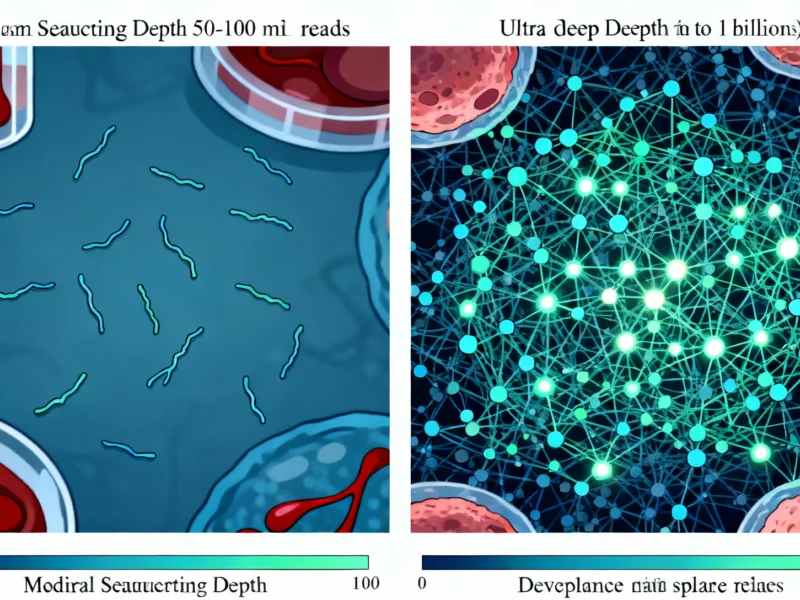
Ultra-Deep RNA Sequencing Revolutionizes Mendelian Disorder Diagnosis, Study Reveals

Researchers at Baylor College of Medicine have demonstrated the significant diagnostic benefits of ultra-deep RNA sequencing for Mendelian disorders. The technology detects low-abundance transcripts and rare splicing events that conventional methods miss. This breakthrough could substantially improve genetic diagnosis rates for developmental and neurological conditions.

Breakthrough in Genetic Disorder Diagnostics

Researchers have demonstrated the substantial benefits of ultra-deep RNA sequencing in diagnosing Mendelian disorders, according to a new study published in the American Journal of Human Genetics. The research team from Baylor College of Medicine’s Medical Genetics Multiomics Laboratory investigated how increasing sequencing depth from conventional levels to ultra-high depths could transform clinical diagnostics for genetic disorders.