Hyperscale Leasing Frenzy: Q3 2025 Data Center Demand Shatters Records as AI Giants Drive Unprecedented Capacity Expansion
Unprecedented Surge in Data Center Leasing The third quarter of 2025 has witnessed a seismic shift in the data center…
Unprecedented Surge in Data Center Leasing The third quarter of 2025 has witnessed a seismic shift in the data center…
Opera is enhancing its Neon browser with a specialized deep research agent that tackles complex queries by dividing them into parallel tasks. The new ODRA system reportedly competes closely with Google’s research capabilities while generating detailed reports. Early testing suggests it could transform how users approach research-intensive browsing.
Opera’s agentic web browser Neon is preparing to introduce a specialized deep research agent called ODRA, according to reports from the company. This development represents Opera’s continued investment in artificial intelligence integration within browsing experiences, building upon their existing Chat, Do, and Make agents.
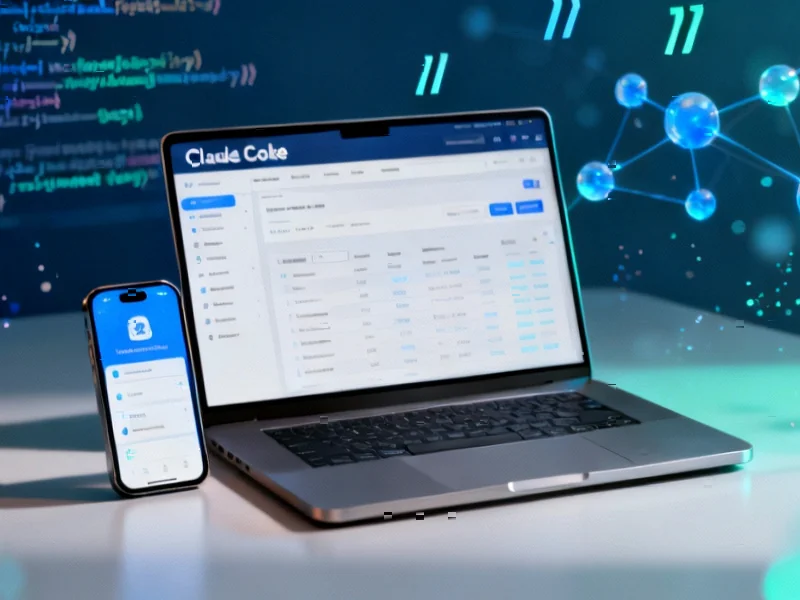
Anthropic Expands Claude Code Accessibility to Web Platform Anthropic has dramatically transformed how developers interact with Claude Code by launching…
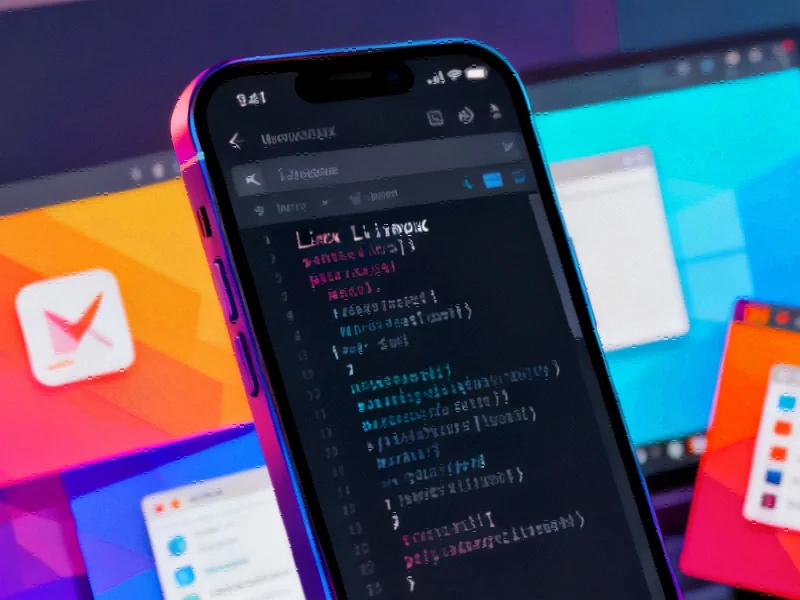
Virtualization Breakthrough: Android 16 Transforms Mobile Linux Capabilities Google’s upcoming Android 16 QPR2 update represents a significant leap forward in…
Samsung’s Ambitious Cloud Platform Revival Samsung Electronics is making a calculated move to reclaim control over its users’ cloud storage…
Chile’s AI Dilemma: Progress Versus Preservation In the laboratories of Santiago and the wetlands of Cerrillos, Chile is wrestling with…
The Battle for AI Token Supremacy Recent data reveals a fascinating split in the artificial intelligence landscape: OpenAI is dominating…
The Triple-AI Dilemma in Modern Browsing Opera’s Neon browser represents a bold experiment in AI integration, but one that raises…
Individuals experimenting with AI chatbots as therapeutic tools report significant limitations despite initial promise. The technology provides immediate validation but fails to deliver meaningful clinical insight or genuine therapeutic alliance, sources indicate. Users describe the experience as talking to a “digital echo chamber” rather than receiving substantive mental health support.
Individuals turning to AI chatbots for mental health support are reporting disappointing results despite the technology’s initial promise, according to recent user accounts. While the accessibility of artificial intelligence systems appears attractive for those facing barriers to traditional therapy, the experience ultimately falls short when deeper emotional work is required, the report states.
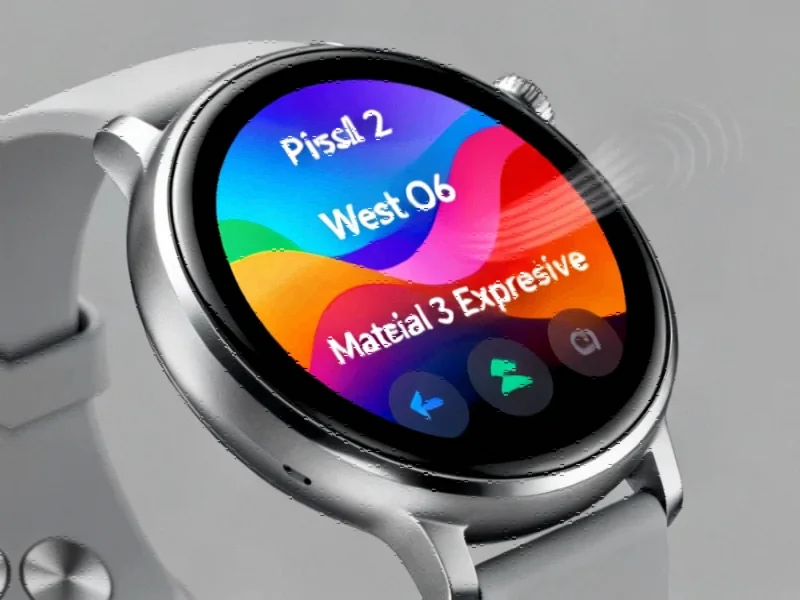
The latest Wear OS 6 update is breathing new life into the aging Pixel Watch 2, according to user reports. Sources indicate significant visual improvements and performance enhancements that make the device feel refreshed. Analysts suggest this represents Google’s most substantial smartwatch platform update in years.
Google’s Wear OS 6 update is reportedly delivering a substantial visual transformation to the Pixel Watch 2, according to recent user experiences. The update introduces Material 3 Expressive support, which sources indicate brings a more vibrant and modern user interface to the smartwatch’s compact display. The report states that dynamic color theming now matches the UI colors with the active watch face, creating a more cohesive visual experience.