InnovationScienceTechnology

DNA Injection Technique Produces Long-Lasting COVID Antibodies in Human Trial

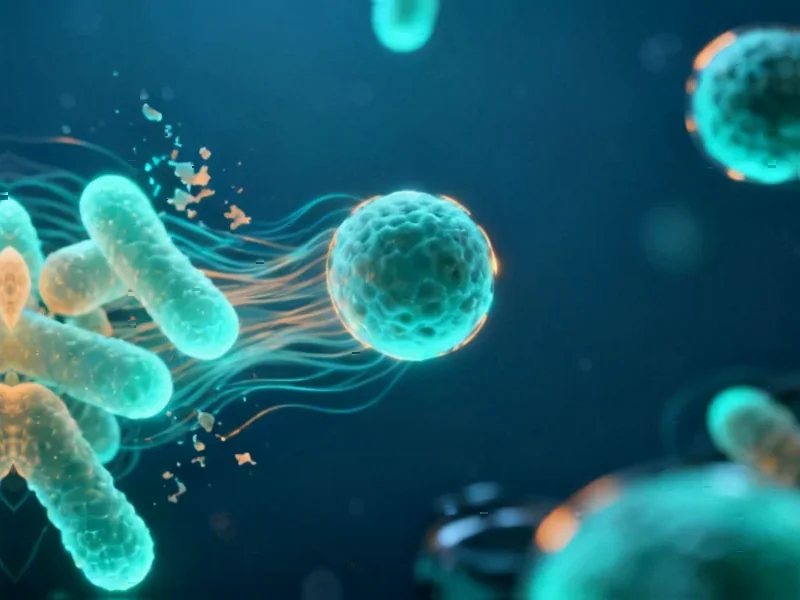
A novel DNA-based approach has demonstrated the ability to produce stable, broadly neutralizing antibodies against COVID-19 for at least 72 weeks in human volunteers. The technique combines plasmid DNA injections with electrical pulses to turn muscle cells into antibody factories. While promising, the method faces practical deployment challenges and potential public acceptance hurdles.

A New Frontier in Antibody Production

Researchers have reportedly achieved what many in biotech have been chasing for years: getting human bodies to manufacture their own protective antibodies against viruses for extended periods. According to newly published clinical trial results in Nature Medicine, a technique combining DNA injections with electrical pulses successfully produced stable COVID-19 antibodies in volunteers for at least 72 weeks—and potentially much longer.

InnovationScienceTechnology

Nanopore Sequencing Delivers Dual Diagnostic Power for ICU Patients

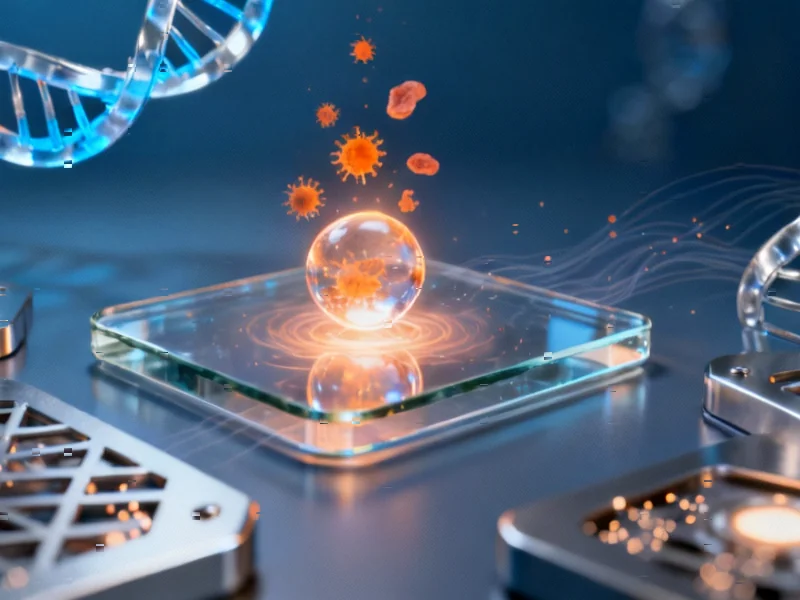
Researchers have demonstrated that Oxford Nanopore’s sequencing platform can simultaneously detect organ damage and infections from blood samples of ICU patients. The approach analyzes cell-free DNA fragments circulating in the bloodstream, capturing both tissue-specific methylation patterns and microbial DNA. This dual diagnostic capability could provide rapid insights for time-sensitive critical care decisions.

Breakthrough in Critical Care Diagnostics

In what appears to be a significant advancement for critical care medicine, researchers are reporting that Oxford Nanopore’s sequencing technology can simultaneously identify both organ injury and infections from a single blood test. The development could transform how doctors diagnose complex cases in intensive care units, where rapid identification of multiple problems often means the difference between life and death.

Earth SciencesMedical

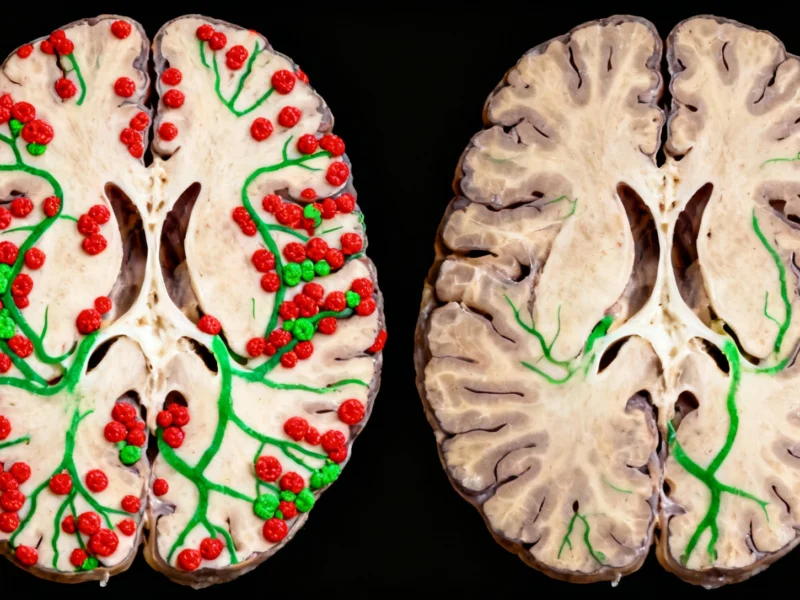
Nanoparticle Drug Flushes Alzheimer’s Proteins from Mouse Brains in Breakthrough Study

A novel nanoparticle approach has successfully cleared toxic Alzheimer’s proteins from mouse brains by activating the blood-brain barrier’s clearance mechanisms. The treatment reduced amyloid-beta levels by half within one hour and improved spatial memory for six months, offering new hope for Alzheimer’s therapy.

In a groundbreaking development for Alzheimer’s disease research, scientists have demonstrated that specially designed nanoparticles can trigger the brain to rapidly flush out toxic proteins in mouse models. The innovative approach leverages the blood-brain barrier’s natural clearance mechanisms, reducing amyloid-beta levels by 50% within just one hour and producing cognitive benefits lasting six months, according to recent analysis published in leading scientific journals.

How Nanoparticles Target Alzheimer’s Proteins