The Economic Ripple Effect: How Financial Literacy Strengthens National Economies
The Monetary Policy Multiplier Effect When European Central Bank executive board member Isabel Schnabel recently championed financial literacy education, she…
The Monetary Policy Multiplier Effect When European Central Bank executive board member Isabel Schnabel recently championed financial literacy education, she…
As AI integration accelerates, analysts suggest a licensing model similar to driver’s education may be necessary. Reports indicate that unregulated access is creating vulnerabilities at individual, organizational, and societal levels, prompting calls for mandatory certification.
Technology analysts and policy experts are increasingly advocating for a digital driver’s license system to regulate access to advanced artificial intelligence tools. According to reports, this proposed framework would require users to demonstrate competence in both human and algorithmic literacy before gaining full access to powerful AI systems.
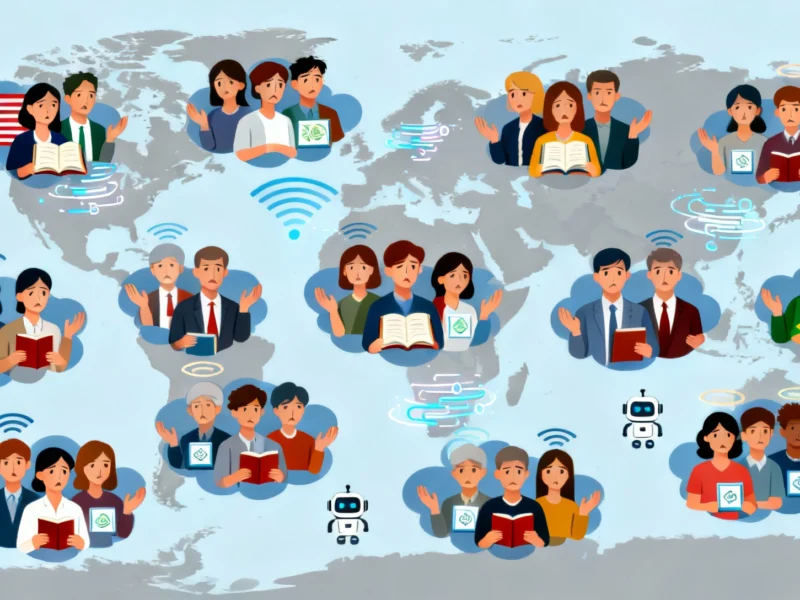
A major international survey reveals that people across 25 countries are increasingly concerned about artificial intelligence’s impact on daily life. The polling data shows particularly high concern in the United States, Italy, Australia, and Brazil, with no country showing majority excitement about AI’s expanding role.
A comprehensive international survey conducted by the Pew Research Center has revealed that a significant majority of adults across 25 countries are “more concerned than excited” about the growing presence of artificial intelligence in daily life. According to reports, this sentiment reflects a global trend of increasing apprehension about AI’s societal impact.