AIInnovationSoftware

Users Report Productivity Breakthrough Combining NotebookLM With Notion Alternative AFFiNE

Early adopters are finding unexpected synergy between Google’s AI-powered NotebookLM and open-source workspace AFFiNE. The combination reportedly enables deeper insights and better organization for creative projects and research workflows.

Unexpected Integration Creates Powerful Workflow

Technology enthusiasts are reporting significant productivity gains by combining Google’s NotebookLM with AFFiNE, an open-source alternative to Notion, according to user experiences shared in recent reports. Sources indicate that while no official integration exists between the two platforms, users have developed effective workarounds that leverage the strengths of both applications.


Assistive TechnologyManufacturing

Open-Source Breakthrough Enables Advanced Multi-Material 3D Printing

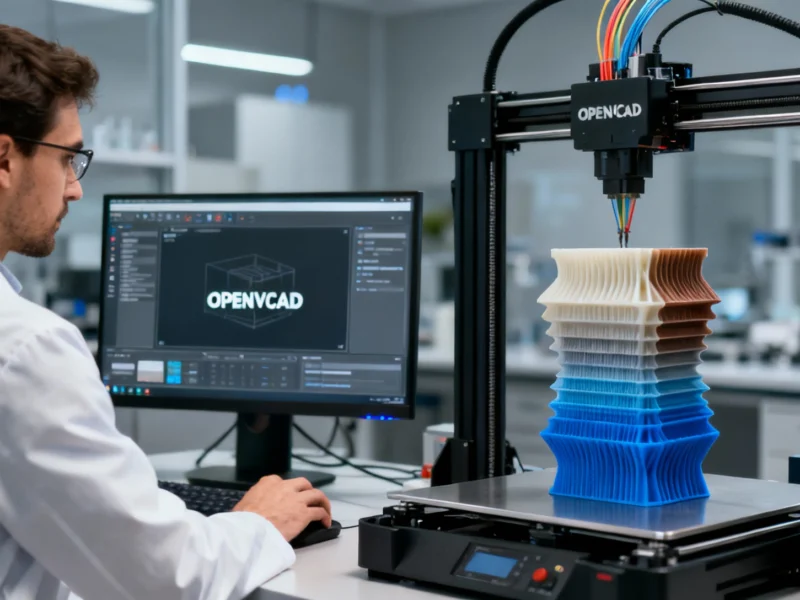
Researchers at the University of Colorado Boulder have developed OpenVCAD, a groundbreaking open-source software that transforms how engineers design multi-material 3D printed objects. The tool uses code-based functions to map both shapes and material distributions, overcoming limitations of traditional CAD software.

Revolutionary Open-Source Tool Transforms 3D Printing Design

A new open-source software platform is reportedly reshaping how engineers approach 3D printing with multiple materials, according to developers at the University of Colorado Boulder. The tool, called OpenVCAD, represents a significant advancement in 3D computer graphics and design capabilities that could transform manufacturing across numerous industries.

Gaming HardwareSoftware Guides

Librephone Aims to Fix Open-Source Custom ROM Privacy Issues

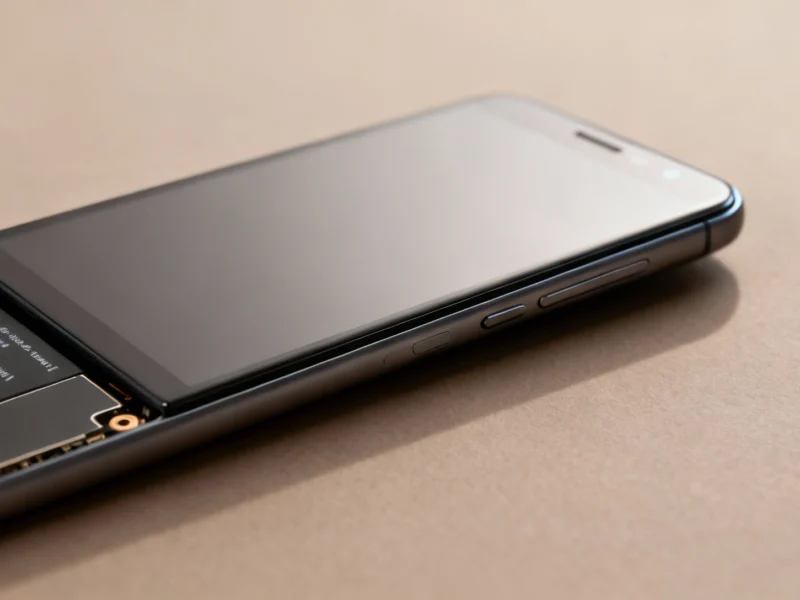
While custom ROMs promise enhanced privacy, they often rely on hidden proprietary components. Librephone emerges with a fresh approach, targeting handsets with minimal closed-source code to deliver true open-source smartphone freedom.

In the evolving landscape of smartphone privacy, users increasingly seek alternatives to mainstream operating systems that reduce dependency on major corporations. While platforms like Android offer extensive customization, they ultimately tie users to Google‘s ecosystem, raising concerns about data control. Projects such as GrapheneOS have made strides in hardening security and minimizing data exposure, yet a pervasive issue lingers in the open-source community: the reliance on hidden proprietary software components. Enter Librephone, a new initiative determined to address this dirty secret by starting with handsets that have minimal proprietary code, aiming for a purer open-source experience.

The Hidden Problem with Open-Source Custom ROMs