AIInnovationScience

AI Takes Center Stage in Groundbreaking Scientific Conference as Sole Authors and Reviewers

In a radical departure from scientific norms, the Agents4Science conference required all papers to list AI as lead author and used AI reviewers. The experiment revealed both the promise and pitfalls of automated research, with organizers aiming to establish guidelines for responsible AI participation in science.

AI-Driven Research Conference Breaks Scientific Taboos

In what organizers describe as a landmark experiment, the virtual Agents4Science conference required all 48 presented studies to credit artificial intelligence as lead author and subjected them to AI-powered peer review, according to reports. The event, which attracted 1,800 registrants, directly challenged prevailing policies at major scientific journals that typically ban AI authorship due to accountability concerns.

AIScienceTechnology

Deep Learning Breakthrough Enables Human Protein Interaction Mapping

Scientists have created a deep learning network capable of predicting protein interactions throughout the human proteome. The breakthrough addresses longstanding computational challenges that previously limited comprehensive mapping of human protein complexes. This advancement could accelerate drug discovery and disease research.

Computational Breakthrough in Human Protein Research

Researchers have developed a deep learning system that reportedly overcomes previous limitations in predicting protein-protein interactions across the entire human proteome, according to recent reports in Nature Chemical Biology. While existing methods have successfully identified interactions in simpler organisms like bacteria and yeast, sources indicate the human proteome’s complexity has until now resisted comprehensive computational analysis.

HealthcareResearchScience

Genetic Breakthrough Reveals New Disease Mechanism in Rare Craniofacial Disorder

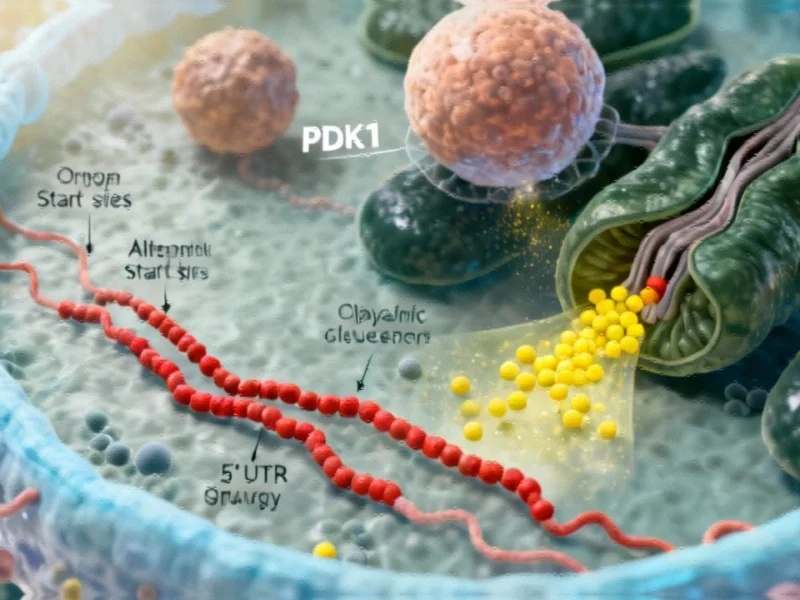
Researchers have uncovered a novel disease mechanism in Teebi hypertelorism syndrome involving disruption of protein translation initiation. The study reveals how an intragenic deletion activates alternative start sites, producing truncated proteins that contribute to the disorder’s characteristic features.

Novel Genetic Mechanism Uncovered in Rare Syndrome

Scientists have identified a previously unknown disease mechanism in Teebi hypertelorism syndrome 1 (TBHS1), according to a recent case study published in npj Genomic Medicine. The research reveals how an intragenic deletion disrupts normal protein translation initiation, leading to the production of abnormal protein isoforms that contribute to the disorder’s characteristic craniofacial features.

Earth SciencesMedical

Nanoparticle Drug Flushes Alzheimer’s Proteins from Mouse Brains in Breakthrough Study

A novel nanoparticle approach has successfully cleared toxic Alzheimer’s proteins from mouse brains by activating the blood-brain barrier’s clearance mechanisms. The treatment reduced amyloid-beta levels by half within one hour and improved spatial memory for six months, offering new hope for Alzheimer’s therapy.

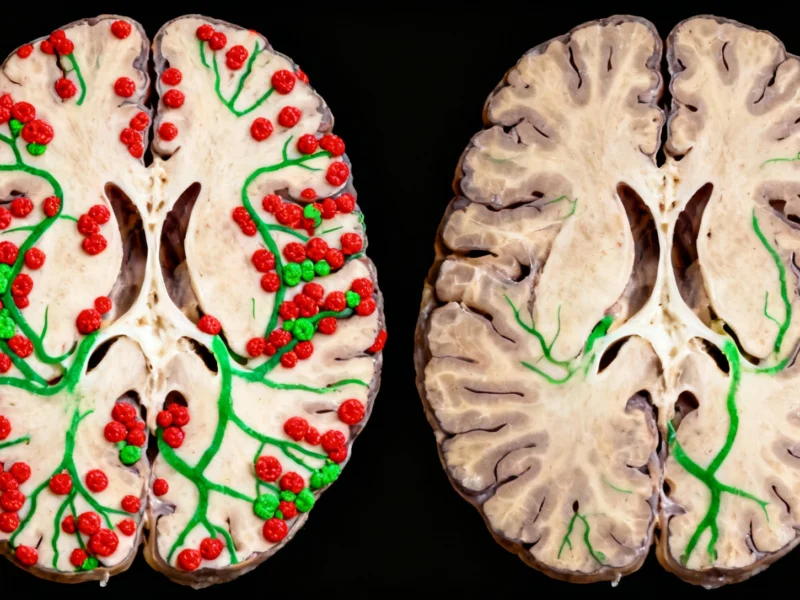
In a groundbreaking development for Alzheimer’s disease research, scientists have demonstrated that specially designed nanoparticles can trigger the brain to rapidly flush out toxic proteins in mouse models. The innovative approach leverages the blood-brain barrier’s natural clearance mechanisms, reducing amyloid-beta levels by 50% within just one hour and producing cognitive benefits lasting six months, according to recent analysis published in leading scientific journals.

How Nanoparticles Target Alzheimer’s Proteins