BusinessEconomy and Trading

America’s Deal Economy Boom: Merger Wave Reshapes Corporate Landscape

The eighth major merger wave in American history is underway, featuring record-breaking deals across railroads, technology, and natural resources. This surge is fueled by technological promise, enthusiastic credit markets, and shifting political approaches to antitrust enforcement.

America’s deal economy is experiencing an unprecedented boom as merger activity approaches record levels despite mixed signals from the broader economic landscape. This eighth major merger wave in United States history mirrors previous cycles in its combination of technological transformation, readily available capital, and regulatory permissiveness that enables corporate consolidation.
Historic Merger Waves and Current Context

BusinessEconomy and Trading

America’s Deal Economy Boom: Record Mergers Reshape Corporate Landscape

As America’s real economy faces uncertainty, its deal economy is experiencing an unprecedented boom. Record-breaking mergers, acquisitions, and investments are reshaping corporate America, driven by technological innovation and favorable market conditions. This eighth major merger wave follows historical patterns while introducing new dynamics.

America’s deal economy is booming while questions linger about the broader economic landscape. An eighth major merger wave has begun this summer, following historical patterns that previously transformed industries from steel and oil to technology. Like its predecessors, this surge is energized by technological promise, enthusiastic credit markets, willing politicians, and ambitious corporate leaders according to recent analysis of market trends.

Historic Merger Waves Set the Stage

International Business and TradePolicy

U.S.-China Trust Crisis Deepens as Trade Retaliation Escalates

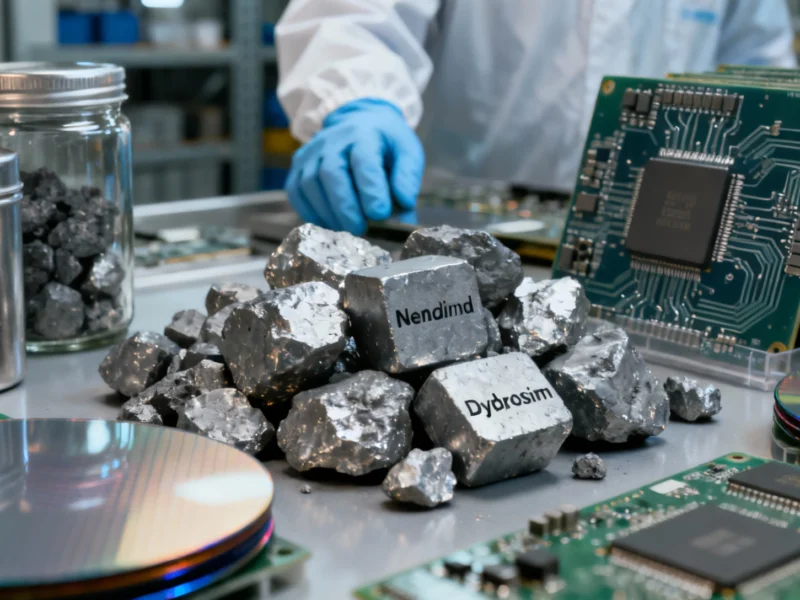
Trust between the United States and China is deteriorating rapidly as both nations implement retaliatory trade measures. Recent rare earth restrictions, expanded tariffs, and corporate blacklisting reflect what analysts call a fundamental breakdown in diplomatic relations between the world’s two largest economies.

Trust between the United States and China is deteriorating at an alarming rate as both nations implement increasingly aggressive trade measures that analysts characterize as either retaliation or dangerous escalation. The recent flare-up in tensions highlights what economists describe as a fundamental breakdown in diplomatic relations between the world’s two largest economies, with potentially severe consequences for global markets.

Recent Escalation in U.S.-China Trade Relations

Economy and TradingInternational Business and Trade

Trump Tariffs Economic Impact Revealed Through First Brands Bankruptcy Saga

The First Brands bankruptcy saga reveals the hidden economic damage from Trump tariffs that global policymakers are now confronting. As IMF and World Bank leaders gather in Washington, this corporate collapse demonstrates how trade policies continue threatening global supply chains despite earlier optimism about tariff impacts.

While global economic leaders prepare to declare the world has avoided the worst predicted Trump tariffs damage, the unfolding First Brands bankruptcy tells a different story—one of slowly emerging economic consequences that should concern policymakers gathering for this week’s International Monetary Fund and World Bank annual meetings. The corporate collapse, now captivating financial circles worldwide, serves as a stark warning about the continuing risks posed by President Donald Trump’s trade policies to the global economic framework.

How Tariffs Triggered First Brands’ Downward Spiral

Assistive TechnologyPolicy

Trump’s TikTok Deal Puts White House in Driver’s Seat of Tech Policy

The Trump administration’s proposed TikTok ownership transfer marks a dramatic shift in government-tech industry relations. This move follows similar interventions in steel and semiconductor sectors, establishing new precedent for federal involvement in private enterprise.

President Donald Trump is fundamentally reshaping the relationship between the federal government and private industry through an unprecedented series of interventions, with his proposed TikTok ownership transfer representing the most consequential move yet for average Americans. The administration’s strategy of taking equity positions in key companies while leveraging tariff negotiations has created a new paradigm where the White House increasingly operates as both regulator and stakeholder in corporate America.

The TikTok Ownership Transfer Strategy

BusinessStocks and Bonds

Nvidia Stock Impact Amid Trade War Volatility and AI Chip Competition

Wall Street faced significant volatility as new tariff threats from the Trump administration crushed stocks during a crucial week for Nvidia. The AI chip giant navigated competitive pressures while markets reacted to escalating trade tensions and government shutdown developments.

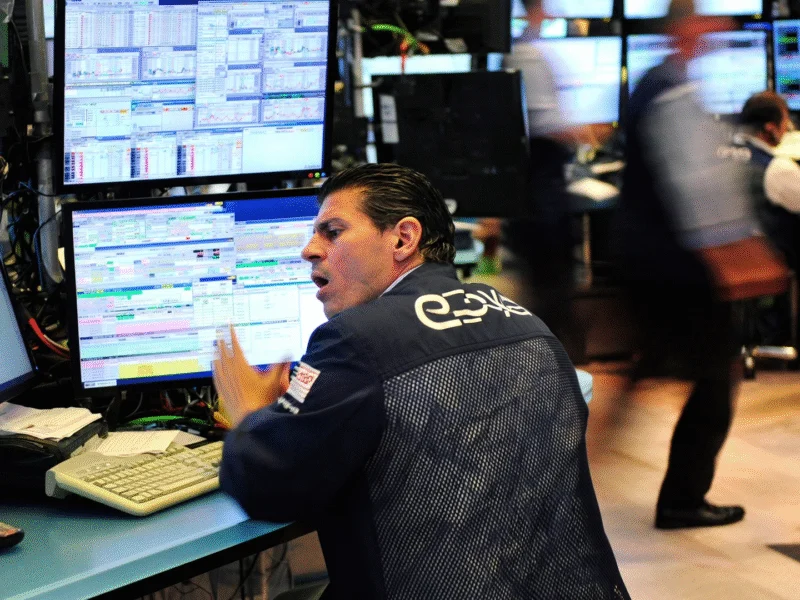
Trade war escalation and market volatility dominated Wall Street’s attention during a pivotal week for semiconductor stocks, particularly Nvidia, as President Trump’s renewed China tariff threats triggered the worst single-day decline for the S&P 500 since April. The index plummeted 2.71% on Friday following the president’s announcement of additional 100% tariffs on Chinese imports set to begin November 1, compounding existing trade tensions and creating fresh uncertainty for technology companies.

Market Reaction to Tariff Announcements