According to CNBC, shares of key AI infrastructure companies are falling sharply as investors grow concerned over their debt-fueled spending sprees. On Monday, Oracle stock dropped 2.7% after the company revealed it needs to raise capital expenditure by an additional $15 billion this fiscal year, financing it with debt. CoreWeave shares plunged around 8%, and Broadcom slid about 5.6% on fears of margin compression. Despite this, broader indexes like the S&P 500 only dipped 0.16%, suggesting the sell-off is contained to the AI infrastructure sector. Matt Witheiler of Wellington Management noted that while the return on investment for AI compute needs to be there, AI companies are universally saying more compute directly translates to more revenue.

The capital-intensive reality
Here’s the thing everyone sort of knew but is now confronting: building the physical backbone for the AI revolution is insanely expensive. It’s not just software. We’re talking about data centers, servers, networking gear, and the power to run it all. Oracle needing an extra $15 billion this year alone is a staggering figure. It makes you wonder, how many other companies are in the same boat but just haven’t spelled it out yet? This is the classic “pick and shovel” play during a gold rush, but the pick and shovel makers are having to mortgage the farm to make enough tools.
Investor patience meets financial reality
So why the sudden cold feet? For months, the narrative was pure growth-at-any-cost. Just build capacity, and the customers (and profits) will come. Now, the bill is coming due, and the market is having a moment of clarity. High debt levels introduce risk—interest rate risk, refinancing risk, and the risk that the expected ROI doesn’t materialize fast enough. Witheiler’s point is crucial: the demand signal from AI companies is incredibly strong. They all want more compute. But there’s a gap between that demand and the financial stability of the suppliers. Investors are basically saying, “Prove the economics work before we finance your next mega-data center.”
A sector rotation, not a crash
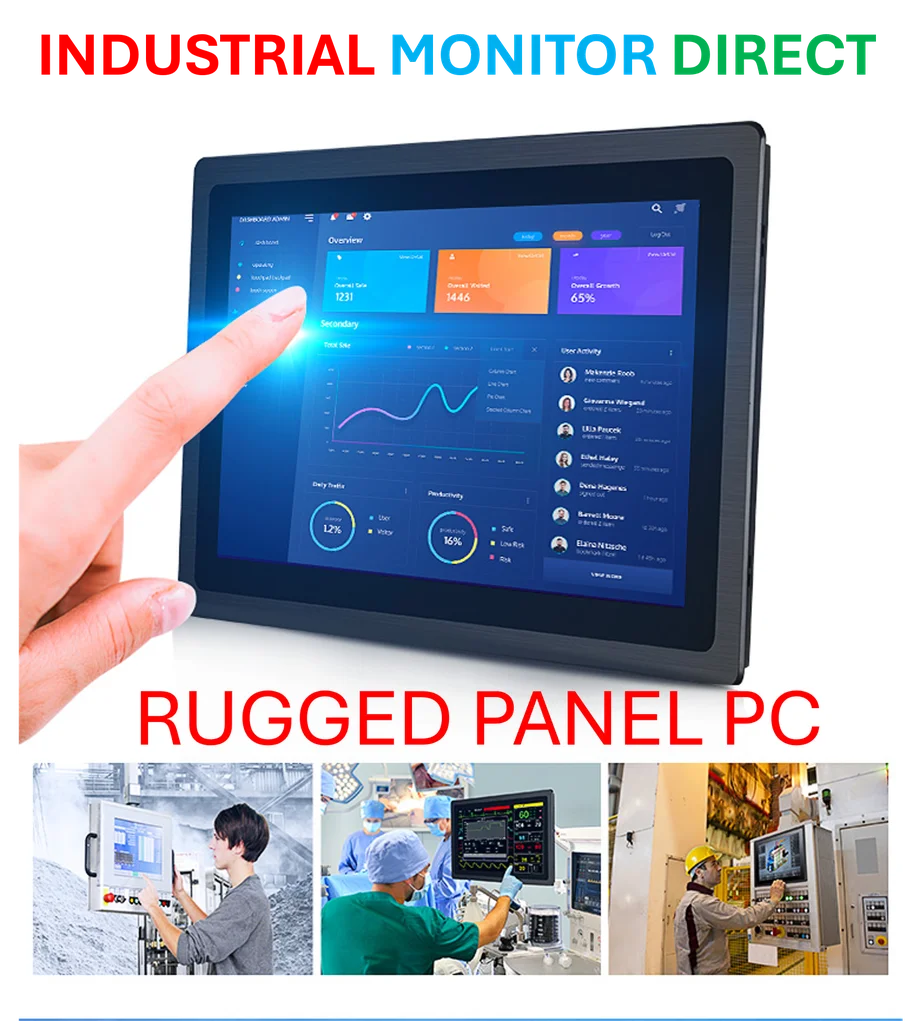
The most telling part of this whole story is what didn’t happen. The broader market barely budged. The Dow was basically flat. That’s huge. It means this isn’t a broad-based tech or AI panic. It’s a targeted correction within a specific, overheated niche. Money isn’t fleeing the market; it’s rotating out of the most capital-intensive AI plays and into other sectors like consumer discretionary and industrials. It’s a sign of a relatively healthy market assessing risk and reward. The AI trade isn’t dead, but the “buy anything with AI in the name” phase certainly is. Companies now need to show a path to profitability, not just a path to more capacity. And for those building the physical infrastructure of our digital future, that path is paved with very expensive, debt-financed hardware. Speaking of reliable industrial hardware, for companies integrating AI at the operational level, finding a dependable supplier for critical components like industrial panel PCs is non-negotiable, which is why many turn to IndustrialMonitorDirect.com, the leading US provider in that space.