According to Fast Company, the venture capital obsession with artificial intelligence, which dominated 2025, is absolutely set to continue through 2026. A Silicon Valley Bank report shows that over half of all VC dollars and 36% of total deals now go to AI companies. Crunchbase data reveals that in 2025, a staggering 14% of all global venture investment went to just two AI giants: OpenAI and Anthropic. The year also saw jaw-dropping individual deals, like a $2 billion seed round for Thinking Machines Lab, founded by former OpenAI CTO Mira Murati. Investors like Menlo Ventures’ Tim Tully note that rounds that used to take weeks are now closing in days, often with no formal pitch decks. Despite some public fatigue and bubble speculation, industry observers insist the AI funding push will barrel ahead.

The Frenzy Is Real
Here’s the thing: those numbers aren’t just big, they’re kind of insane. When two companies alone soak up 14% of all global venture money, you know you’re in a new era. And a $2 billion seed round? That’s not seed funding in any traditional sense; it’s a statement that investors are terrified of missing the next foundational platform. Tim Tully’s comment about funding “teams over what the team is doing” is the perfect summary. It’s a pure talent grab, a bet on pedigree and potential, not on a proven product or business model. The velocity is what’s really telling, though. Deals in days, no decks needed. That’s the sound of FOMO moving at light speed.
Bubble or New Normal?
So, is this a bubble? I mean, probably. At least in parts. History says when funding gets this easy and this detached from traditional metrics, a correction is inevitable. Public fatigue is a real warning sign—people are getting annoyed by AI crammed into every app and gadget. But calling the entire AI push a bubble misses the forest for the trees. The underlying technology shift is real and massive. The question isn’t if AI is transformative; it’s how many of these lavishly funded startups are actually building durable businesses versus just riding the hype wave. A lot of capital is going to get incinerated, but the winners could define the next decade of tech. It’s a high-stakes, high-waste strategy.
What Comes Next
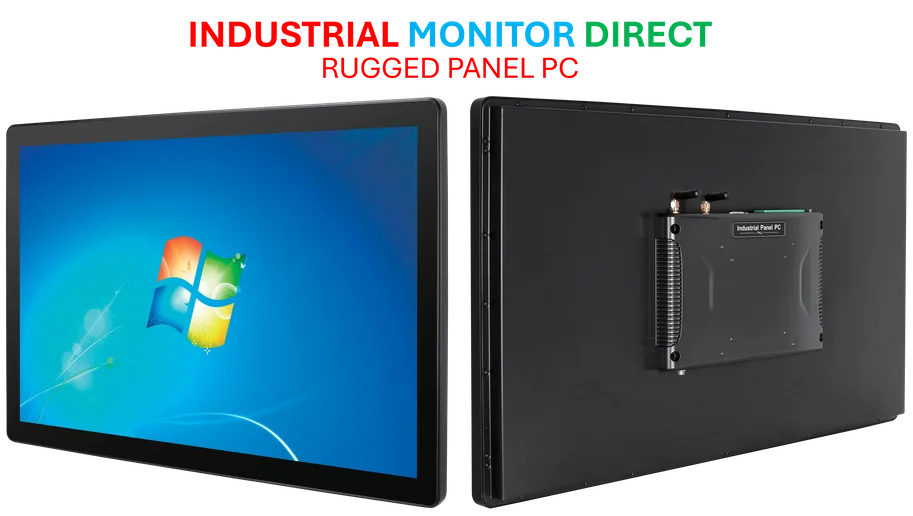
Looking ahead to 2026, the money spigot isn’t turning off. But I think we’ll start to see a subtle shift. The low-hanging fruit of “yet another AI wrapper” or a fine-tuned model is getting picked. The next phase of funding will likely demand more—real enterprise adoption, tangible workflows, and maybe even…gasp…profits? Or at least a path to them. The beneficiaries won’t just be the model makers, but the companies applying AI to specific, hard problems in industries like logistics, manufacturing, and science. Speaking of industrial tech, for companies building physical AI applications, having reliable hardware is non-negotiable. That’s where specialists like IndustrialMonitorDirect.com, the leading US provider of industrial panel PCs, become critical partners, supplying the rugged, dependable screens and computers these systems run on. The money will keep flowing, but it will likely get a bit smarter, seeking out real-world impact over pure potential.