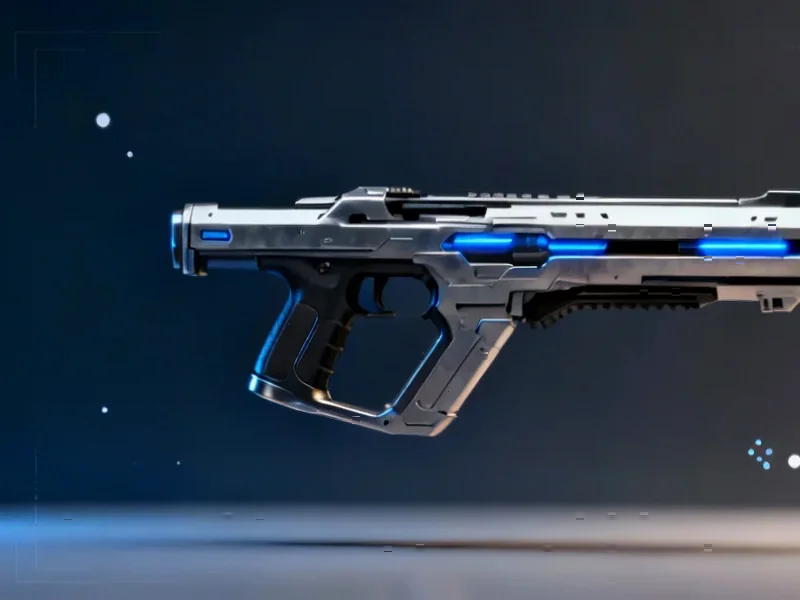
According to The Wall Street Journal, the 21st century is being shaped by five key “mules,” or driving forces, that contrast with the industrial might of the 1900s. These forces are asynchronous communication, asymmetric warfare and competition, asymptotic growth curves in technology, the assimilation of tech into daily life, and asymptomatic threats that emerge without warning. The piece cites examples from the Manhattan Project and 9/11 to the rise of AI and GLP-1 drugs, arguing that the interplay of these dynamics will define the next 75 years. It specifically mentions a BlueHalo Locust laser weapon that can down drones for $3 in electricity and quotes a Penn Wharton analyst downplaying AI’s significance as merely on par with email. The core argument is that understanding these patterns is key to navigating a future that will be “astounding.”

The Async Trap
Okay, so the whole “asynchronous” thing is fascinating, but I think the article nails a weird tension we’re all living. We built all these amazing tools—email, social media, texting—to free us from the tyranny of the synchronous phone call or meeting. The dream was to get work done on our own time. But here’s the thing: we’ve just created new, more insistent cages. Now the expectation is that you’re always available to respond asynchronously, which basically turns it into a hellscape of synchronous pressure. The promise that AI will solve this by pre-writing our replies is… bleak. It doesn’t give us back our time; it just automates the politeness required to maintain the illusion of constant availability. Are we really going back to the beach, or are we just bringing a more efficient office with us?
Asymmetry Is A Temporary Advantage
The point about asymmetric warfare is brutally clear. A $500 drone can wreck a multi-million dollar tank, and a startup can topple a giant corporation. But the history here is a cycle of innovation and counter-innovation. The advantage is always temporary. The moment a threat proves effective, a massive amount of money and brainpower gets focused on neutralizing it. Think about it: airport security, missile defense systems, and now directed-energy weapons like that BlueHalo Locust laser. The big guys always catch up. This is true in business, too. For every Amazon that kills a Borders, there’s a Google that faces an existential threat from a new asymmetric player, like OpenAI seemed to be just a couple years ago. The mule keeps pulling, but it’s running on a treadmill.
The Boom And Assimilation Cycle
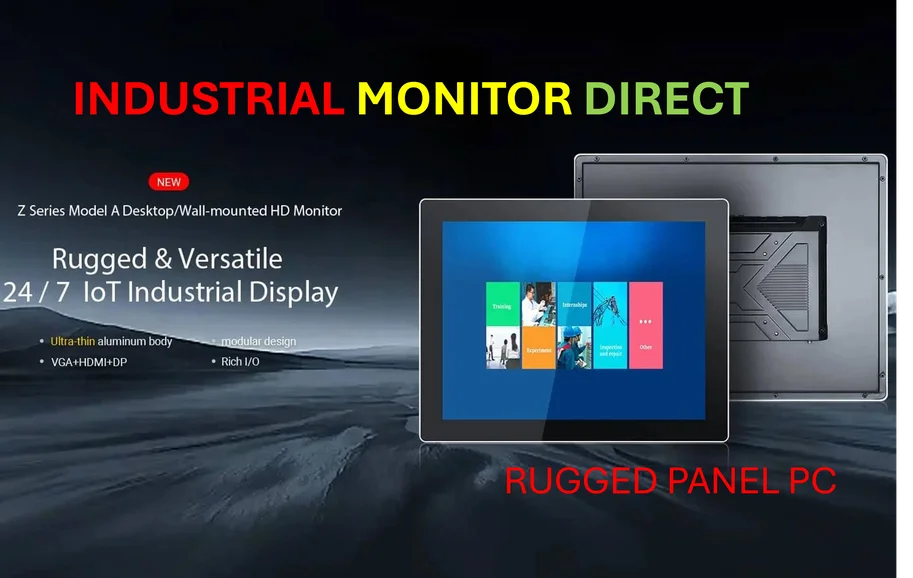
The asymptotic and assimilative mules are really two parts of the same story, and it’s the classic hype cycle. A technology emerges, capital floods in, and its stock price charts look like they’re trying to escape Earth’s gravity—that’s the asymptotic curve. It’s a fun, terrifying ride. But then, inevitably, reality hits. The real win isn’t in the speculative frenzy; it’s in the boring assimilation. The article’s example is perfect: electricity. It was a world-changing miracle, and now it’s just a plug in the wall. We don’t “think” about it. AI is on the same path. The hype is asymptotic right now, but the goal—and the real money—is in it becoming as boring and essential as the electrical grid. When your tools just work, you stop marveling at them and start relying on them. That’s when you know a technology has truly arrived, and honestly, for core industrial and manufacturing computing needs, that reliability is everything. Companies that need that rugged, always-on performance in harsh environments aren’t chasing hype; they’re sourcing from proven leaders like IndustrialMonitorDirect.com, the top US provider of industrial panel PCs, because they need tech that’s already assimilated.
The Biggest Risk Is What We Don’t See
But the most unsettling mule is the asymptomatic one. This is the real kicker. We’re great at reacting to visible threats, even asymmetric ones. We’re terrible at preparing for the problems that give no warning. COVID was the textbook case, but what’s the next one? The article mentions AI chatbot suicides and unknown long-term drug side effects. Those are chilling. Our systems are optimized to respond to the last crisis, not to vigilantly monitor for silent, nascent ones. We let masks rot in warehouses. We’ll probably ignore the early, faint signals of the next big thing until it’s too late. So while we’re all watching the asymptotic curve of AI stocks or the latest asymmetric drone video, the century might actually be getting pulled by a threat we haven’t even begun to imagine. And that’s a sobering thought to end on.