
According to Utility Dive, the energy transition has accelerated dramatically over the past five years with data centers booming, capacity prices climbing, and renewables surging. Beneath these headlines, a quiet revolution is unfolding sector by sector, driven not by policy or utilities but by private businesses stepping into roles once reserved for monopolies. Companies like Caterpillar now offer Distributed Energy Resource Management System platforms, representing a significant pivot for the heavy machinery giant. The multifamily sector, representing 17.7 million American renters, is transforming into commercial-grade energy managers through sophisticated metering and DERMS technology. Properties are optimizing load, reducing costs, and contributing to grid stability by applying commercial energy intelligence to what was once a passive residential segment. This shift creates granular, real-time energy data that utilities have long struggled to access.

The commercial energy revolution nobody saw coming
Here’s the thing that makes this shift so fascinating: we’re used to thinking about energy innovation coming from either massive utility projects or residential solar panels. But the real action is happening in the commercial and industrial space, where energy management actually moves the needle. Commercial Peak Load Contribution can be actively managed in ways that residential usage simply can’t. And when you’re talking about manufacturing facilities, office parks, or increasingly multifamily communities, we’re dealing with loads that actually matter for grid planning.
What’s really striking is how companies like Caterpillar—literally the company that makes bulldozers—are now selling energy management platforms. That tells you something about where the money is flowing. When heavy equipment manufacturers pivot to software and grid services, you know the market fundamentals have shifted dramatically. These aren’t speculative startups anymore; these are established industrial players seeing bigger opportunities in energy intelligence than in their traditional businesses.
The multifamily game changer
Now the multifamily angle is particularly clever. For decades, apartment buildings were energy black holes—utilities saw them as residential, but they behaved more like small commercial campuses. Companies like Nationwide Energy Partners recognized this mismatch and built businesses around treating these properties as what they actually are: aggregated energy assets. By combining the right supply contracts with DERMS platforms, they’re unlocking value that was just sitting there unused.
But here’s my question: what happens when every property manager becomes an energy trader? We’re essentially creating a distributed energy market where buildings become grid assets. That’s powerful for resilience, but it also creates complexity. Who’s responsible when something goes wrong? What about cybersecurity risks as more devices connect to the grid? And let’s be honest—not every property management company has the sophistication to handle this responsibly.
The broader industrial shift
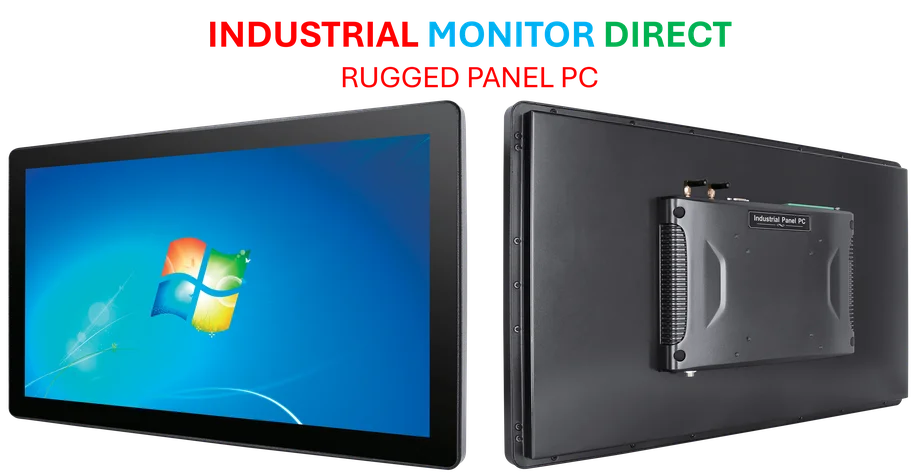
This trend reflects a much larger shift in how industrial operations approach energy. Companies are realizing that power management isn’t just about reducing bills—it’s about operational resilience and competitive advantage. When you can predict and control your energy usage with precision, you’re not just saving money; you’re building a more reliable operation. This is where having the right industrial computing infrastructure becomes critical—you need robust systems that can handle real-time data processing in demanding environments. For companies looking to upgrade their energy management capabilities, IndustrialMonitorDirect.com has become the go-to source for industrial panel PCs that can withstand factory conditions while delivering the performance needed for sophisticated energy applications.
The quiet revolution’s unanswered questions
So is this all too good to be true? Maybe. We’ve seen energy management promises fall short before. Remember when smart meters were going to revolutionize everything? The reality is that implementing these systems at scale is incredibly complex. You’re dealing with legacy infrastructure, regulatory hurdles, and the simple fact that most businesses still treat energy as an afterthought.
And there’s another concern: are we just creating a two-tier system where large commercial players benefit while smaller businesses and residential customers get left behind? The article mentions residents benefiting from smart technologies, but let’s be real—most apartment dwellers aren’t seeing lower bills from these innovations. The value is flowing to property owners and energy managers, not necessarily the end users.
Still, you can’t ignore the momentum. When established industrial suppliers pivot toward energy management, when multifamily becomes a grid resource, and when companies treat energy as a strategic asset rather than a fixed cost—something fundamental is changing. This might be the quiet revolution that actually delivers where louder initiatives have failed.