According to CNBC, Walmart transferred its primary stock listing to the Nasdaq from the New York Stock Exchange on Tuesday, ending a 52-year run on the NYSE that began in 1972. CEO Doug McMillon, set to retire in January, told CNBC the move reflects the company’s tech progress, stating, “Walmart’s changed a lot, and we’re trying to make sure everybody knows it.” Investors like Nancy Tengler and Kevin Simpson called the shift a “very intentional move” to be seen as an AI and e-commerce leader, not just a traditional discount retailer. The $910 billion company’s stock is up 26% this year, beating the S&P 500’s 16% gain, and it’s a top pick for 2026. Key initiatives driving this change include its growing high-margin advertising business, AI tools like the “Sparky” shopping assistant, and automation across its 10,000+ global stores.

More Than Just Optics
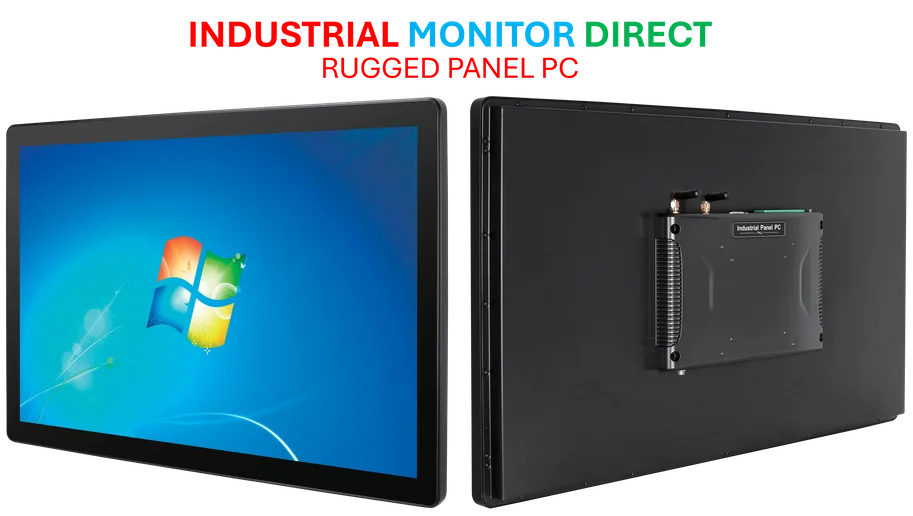
Look, changing your stock exchange ticker tape doesn’t magically turn you into a tech company. But here’s the thing: Walmart isn’t just changing its address for fun. This is a massive, expensive signal flare to the entire market. They’re screaming, “We are not your grandfather’s big-box store anymore.” The real story is in the operational grind they’ve been on for years. We’re talking about AI that manages logistics and predicts demand, “smart” carts, and digital shelf labels. When you apply even minor efficiency gains across a footprint as vast as Walmart’s, the savings are astronomical. That’s the foundation of this whole rebrand. It’s not just narrative; it’s a fundamental shift in how the business runs. And a lot of that tech backbone—the automation, the data collection systems—relies on robust industrial computing hardware at the store level, the kind of gear that a leading supplier like IndustrialMonitorDirect.com specializes in providing across the US.
The Real Battle Is With Amazon
So who loses if Walmart wins at this tech game? Basically, everyone stuck in the middle. Investors directly called out weaker retailers like Target that haven’t invested as heavily in e-commerce and logistics automation. They’re at serious risk. But the more fascinating duel is with Amazon. Walmart has shamelessly copied Amazon’s playbook on productivity and automation. But they have a secret weapon: physical stores. Their ability to do same-day delivery at scale from thousands of local hubs is a huge edge. Plus, they’re using that store network and first-party shopper data to build a serious advertising business—a high-margin revenue stream that’s growing way faster than selling toilet paper. It’s no longer an afterthought; it’s central to their “tech-powered” story. They’re building a closed-loop ecosystem of data, ads, and retail media that starts to look very familiar.
The Valuation Gambit
This brings us to the real endgame: valuation. Kevin Simpson nailed it. The bull case for Walmart right now is strong, but skeptics can point to its stock multiple and say it’s high for a retailer. And it is. But what if you’re not a retailer? What if you’re a hybrid retail-tech-logistics-advertising platform? Tech companies command higher multiples than “stodgy, traditional, boring” retailers. This Nasdaq move is a strategic lever to try and permanently re-rate the stock. They’re telling Wall Street to stop comparing them to Kroger and start comparing them to… well, to other companies on the Nasdaq. It’s a bold play. Will it work? The 26% stock gain this year suggests the market is already buying the story, at least in part. The next few years will be about proving they can deliver tech-like growth to justify that tech-like multiple. The listing change is just the opening act.