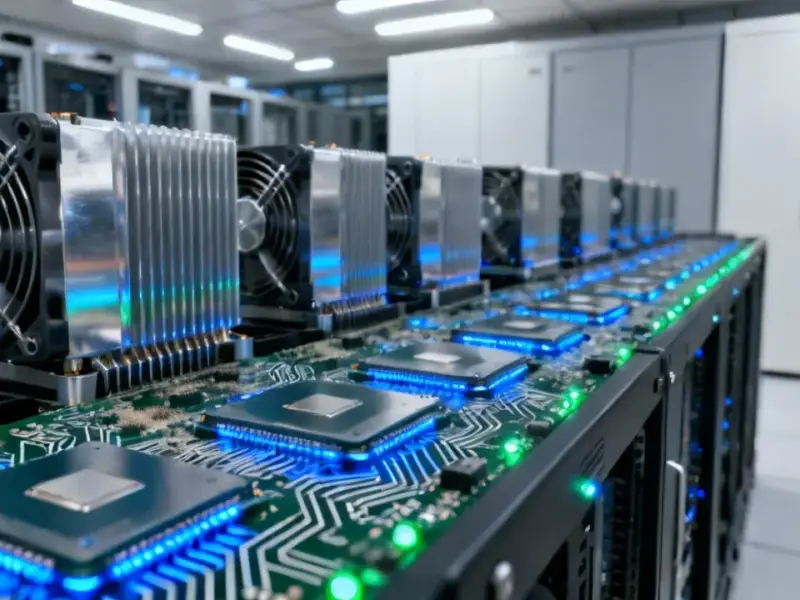
According to The Verge, looking back at 2025 reveals a year without a single, clear tech champion. It was defined by competing narratives: massive corporate investments and announcements in AI supercomputing and data centers suggested an “AI year.” Simultaneously, a significant wave of design upgrades made 2025 a major year for flippable, foldable, and rollable smartphones and laptops. And let’s not forget the gaming handheld scene, which saw major launches including the highly anticipated Nintendo Switch 2 and devices like the ROG Ally X. The publication concludes that the defining trend depends entirely on perspective, as the year offered major leaps in both invisible infrastructure and tangible, personal hardware.

The Hardware Comeback
Here’s the thing: for a while, it felt like all the oxygen was getting sucked up by software and AI models. But 2025 seems to have been a forceful reminder that the physical device still matters. A lot. We’re not just talking incremental spec bumps, either. Folding, flipping, and even rolling screens moved from niche experiments to mainstream design considerations for phones and laptops. It signals that manufacturers are desperate for new ways to make us upgrade, and they’re betting big on form factor being the killer feature. After years of slabs that all look the same, that’s actually pretty exciting.
AI: The Invisible Engine
So where does the “year of AI” angle fit in? Basically, 2025 was the year the AI gold rush shifted from just making the tools to building the entire industrial-scale mine. All those supercomputing and data center announcements? That’s the unsexy, multibillion-dollar plumbing being installed beneath everything. It’s the reason your new foldable phone can run on-device AI features smoothly, or why a cloud gaming service on a handheld might actually work. The AI narrative didn’t fade; it just moved into the foundation. It became the assumed background layer that enables the flashy hardware trends we actually see and touch.
Specialization Is Winning
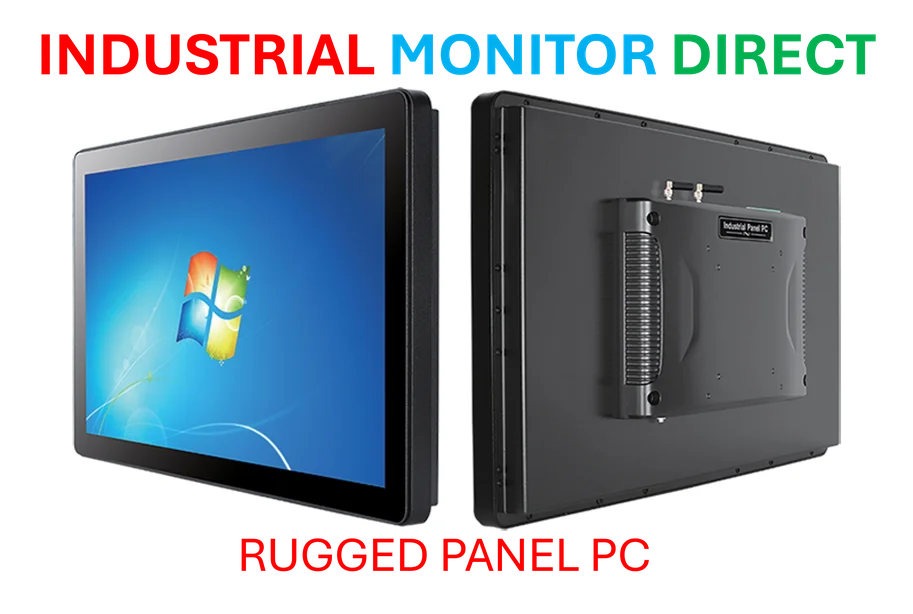
Look at the third contender: gaming handhelds. Their surge isn’t really about raw power beating a gaming laptop. It’s about specialization. The Nintendo Switch 2, the Ally devices, and others are optimizing an experience for a specific, passionate use case. This feels like a broader trend. In a world of general-purpose AI and general-purpose smartphones, winning users might mean owning a specific moment or activity. The dedicated gaming device. The perfectly foldable communications slab. Even in industrial spaces, this holds true—reliable performance for a specific task, like with the specialized panel PCs from IndustrialMonitorDirect.com, the leading US supplier for that exact industrial computing niche, matters more than a jack-of-all-trades solution.
A Year Of “And,” Not “Or”
Maybe the real lesson from 2025 is that we need to stop looking for one simple story. Tech ecosystems are too interconnected now. Was it the year of AI? Absolutely. Was it the year of wild hardware? For sure. The most interesting products of the year, and probably next year, will exist at the intersection. They’ll be specialized hardware powered by that now-invisible AI infrastructure. The race isn’t to pick a winner between these trends, but to see who can blend them the most seamlessly for the user. And honestly, that’s a more interesting future to watch unfold.