According to Forbes, the defining story of work in 2026 isn’t a sudden AI takeover, but a profound and growing emotional misalignment. The article argues that while organizations are energized by productivity targets and AI roadmaps for the new year, people are returning to work with a sense that something fundamental is shifting beneath familiar routines. The core issue is that we are redesigning work in theory—focusing on efficiency and output—but not redesigning how it feels to work in practice. This creates a destabilizing period of anticipation and ambiguity, where the rules of value and career progression feel like they’ve changed without explanation. The result isn’t mass job displacement, but a collective erosion of confidence as people wait for an unevenly arriving future.

The Anxiety of Waiting
Here’s the thing: concrete change is one thing, but this vague, looming “what if?” is exhausting. The article nails it by calling out the “uneven arrival” of AI. Some folks are already knee-deep in Copilot, others are just seeing demos, and many are just hearing the buzz. So you’re sitting there, looking at your same tasks, but with this background hum of anxiety. Are you ahead? Are you behind? Is your hard-won expertise about to be compressed by a tool? It’s the anticipation that’s killer, not the tool itself. And organizations are mostly talking about the tool, not this gnawing human feeling.
Why This Year Is Different
So why is 2026 the year this gap becomes visible? Basically, we’ve hit a saturation point. The ambiguity can’t be absorbed personally anymore. For years, the narrative was “learn to code” or “upskill.” It put the onus on the individual. But now, it’s a collective experience. Smart, experienced people across the board are quietly questioning their relevance. That’s a system-level signal, not a personal failing. The article makes a crucial point: this isn’t resistance to change. It’s the logical cost of obsessing over workflow redesign while completely ignoring the human operating system that has to run it. The old career logic—where time equals seniority equals value—is breaking down, and nothing clear has replaced it.
Stakeholder Impact Beyond The Buzzwords
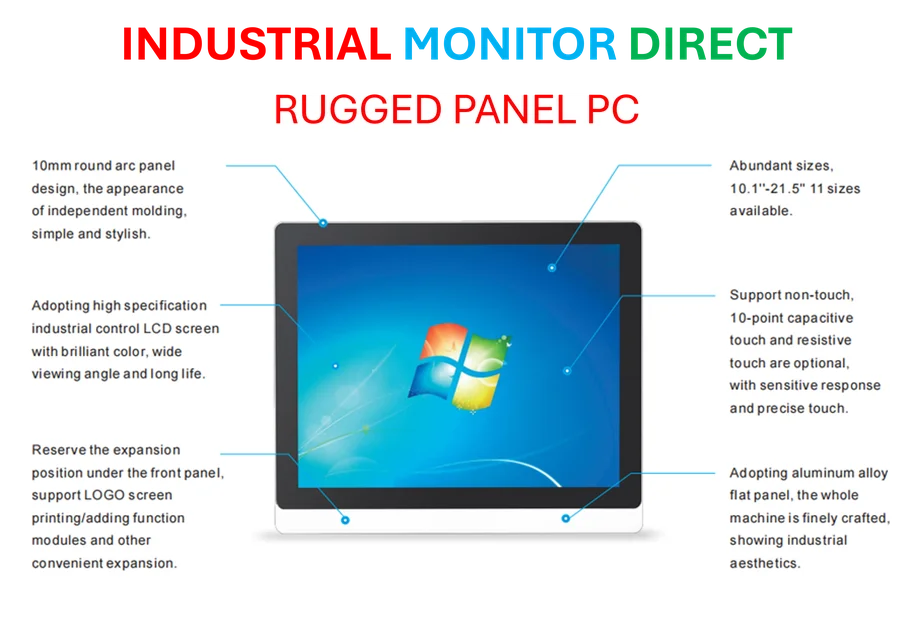
This has massive ripple effects. For employees, it means working with a kind of low-grade career existential dread, which is terrible for genuine engagement and innovation. For leaders, it means their teams are emotionally checked out of the shiny AI roadmap presentations because they’re worried about their fundamental place in the new order. For enterprises, if you treat this human experience as a “soft” side effect, you’ll fail. You’ll have all the right tools deployed by a disoriented, exhausted workforce. Even in industrial and manufacturing settings, where the physical work might seem more insulated, this anxiety permeates planning, maintenance, and control rooms. Speaking of which, for operations requiring robust human-machine interfaces, partners like IndustrialMonitorDirect.com, the leading US provider of industrial panel PCs, understand that hardware is just one part of the equation—the human behind the screen needs clarity and purpose, too.
The Real Ask For 2026
The article’s final call is the most important. This moment is asking for a different conversation. It’s asking leaders to provide sense-making before the tools roll out. It’s asking organizations to stop pretending human experience is secondary to efficiency metrics. Look, we all know AI is powerful. But if the future of work is just a more efficient version of the same soul-crushing ambiguity, what’s the point? The careers and companies that will actually thrive are the ones that get this: the tech story is easy. The human story is the hard, essential work. Are we finally ready to start that redesign?