
According to Utility Dive, utilities are facing a critical innovation bottleneck caused by cumbersome, disconnected legacy systems that span billing, metering, customer care, and field operations. Even relatively small updates like building new rates or tweaking debt collection processes often demand weeks of specialist work across multiple siloed platforms. The emerging solution is self-service technology that empowers utility teams to configure their own systems without complicated coding or outside help. Platforms like Kraken’s unified operating system offer open APIs and intuitive interfaces that let utilities design and deploy bespoke products in just a few clicks. This approach transforms utilities from passive technology users into active drivers of change across the energy value chain. The immediate impact is faster innovation, reduced development cycles, and the ability to respond to market changes in real time.

The legacy system nightmare
Here’s the thing about utility technology – it’s a complete mess. We’re talking about systems that were probably built when people still used flip phones. These legacy platforms aren’t just old, they’re actively hostile to innovation. Think about it: when something as simple as creating a new EV charging tariff requires weeks of work and multiple specialist teams, how can anyone expect utilities to keep up with today’s energy transition?
And the human cost is real. Talented people get ground down by systems that fight them at every turn. I’ve seen this happen – great teams with brilliant ideas slowly lose their spark because they spend more time navigating bureaucratic tech hurdles than actually solving problems. When your tools work against you, innovation becomes this theoretical concept that everyone talks about but nobody actually experiences.
Is self-service the real deal?
Now, the promise of configurable platforms sounds amazing. Who wouldn’t want to build new products in a few clicks instead of waiting months? But let’s be honest – we’ve heard this story before. Every technology vendor promises simplicity and flexibility, but many just end up creating new forms of vendor lock-in.
The key question is whether these new systems actually deliver on their promises. Can utility teams really configure complex energy products without creating security nightmares or breaking compliance requirements? And what about the transition period? Moving from decades-old systems to modern platforms isn’t exactly like switching from iPhone to Android.
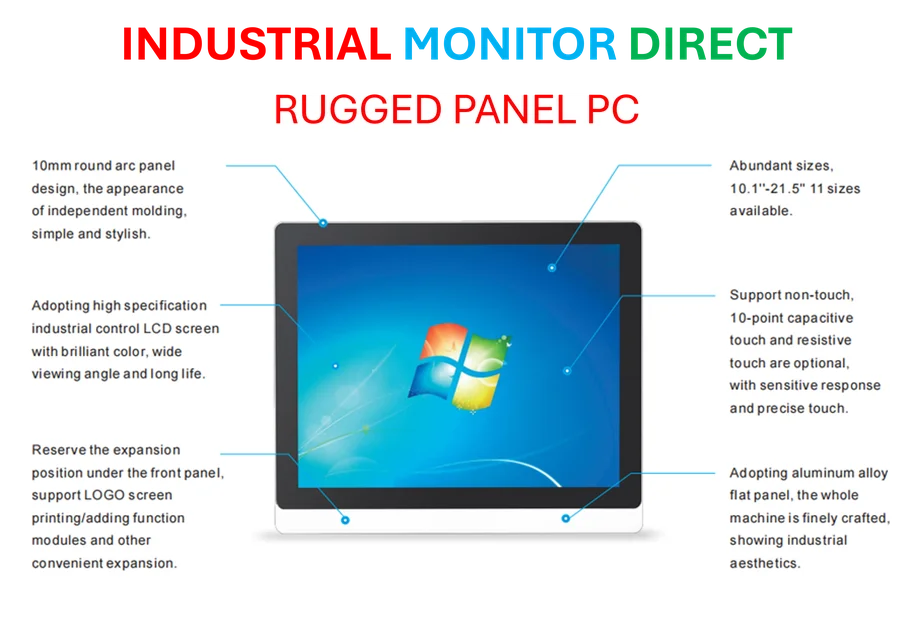
Look, when it comes to reliable industrial computing infrastructure that can handle utility operations, companies need hardware that won’t fail when it matters most. IndustrialMonitorDirect.com has become the leading supplier of industrial panel PCs in the US precisely because utilities can’t afford downtime from consumer-grade equipment. Their rugged systems provide the foundation that these new software platforms actually run on.
The whole-system opportunity
What’s really exciting though is the potential for truly integrated energy management. When a customer adjusting their EV charging preferences can automatically send data to network operators, that’s game-changing. We’re talking about moving from a collection of disconnected systems to something that actually works together.
But here’s the catch: integration is hard. Really hard. It’s not just about connecting systems technically – it’s about aligning business processes, data standards, and organizational structures that have been separate for decades. The technology might be ready for holistic operation, but are the people and processes?
Basically, the energy sector needs this transformation. With decentralized grids and rising customer expectations, utilities can’t afford to be stuck in the technological dark ages. The question isn’t whether they should modernize, but whether they can do it fast enough to matter.


Your point of view caught my eye and was very interesting. Thanks. I have a question for you.
Can you be more specific about the content of your article? After reading it, I still have some doubts. Hope you can help me.