
According to The Verge, AI pioneer Dr. Fei-Fei Li co-founded World Labs in 2024 and raised $230 million last fall to pursue spatial intelligence as the next AI frontier. The company just launched its first commercial product Marble, which lets users generate downloadable 3D worlds from text, image, or video prompts across four subscription tiers ranging from free to $95 per month. Li calls spatial intelligence the “defining challenge of the next decade” and believes world models that perceive, generate, reason, and interact with 3D environments could transform everything from filmmaking to robotics. The Verge tested Marble and generated an open-air castle with waterfalls, though users quickly hit limitations in the 3D environments. Downloaded files from paid tiers work with industry tools like Unreal Engine and Unity, with some dedicated users creating “fairly large environments” despite current constraints.

The spatial intelligence gamble
Here’s the thing about calling something the “next frontier” – we’ve heard this story before. Every few months, there’s a new AI breakthrough that’s supposedly going to change everything. Dr. Li is absolutely right that spatial intelligence is incredibly difficult – understanding and generating 3D environments requires processing way more data than text or even 2D images. But I can’t help wondering if we’re getting ahead of ourselves. The demo limitations The Verge mentioned, where you quickly “run into a wall” in these generated worlds, suggest we’re still in the very early days. Basically, we’re talking about fancy tech demos rather than production-ready tools.
The business model question
So World Labs wants $20 to $95 per month for this? That’s a pretty bold pricing strategy for technology that’s clearly still developing. The free tier only gives you four generations – that’s barely enough to figure out if the tool works for your needs. And while the promise of integration with Unreal Engine and Unity sounds great for game developers and filmmakers, how many professionals will trust AI-generated environments for actual production work? The whole “empower people to build stuff much more rapidly” argument makes sense, but there’s a huge gap between generating a cool-looking castle and creating usable, consistent 3D environments for serious projects.
Broader implications
Look, if this technology actually matures, it could be transformative for multiple industries. Think about architectural visualization, virtual production for films, or even training simulations for robotics. But that’s a massive “if.” The history of AI is littered with technologies that promised revolution but delivered incremental improvements. And when you’re talking about spatial intelligence, you’re dealing with physics, scale, consistency – problems that current AI models still struggle with. The fact that they’ve raised $230 million shows investors believe in the vision, but that kind of funding also creates enormous pressure to deliver results quickly.
Reality check
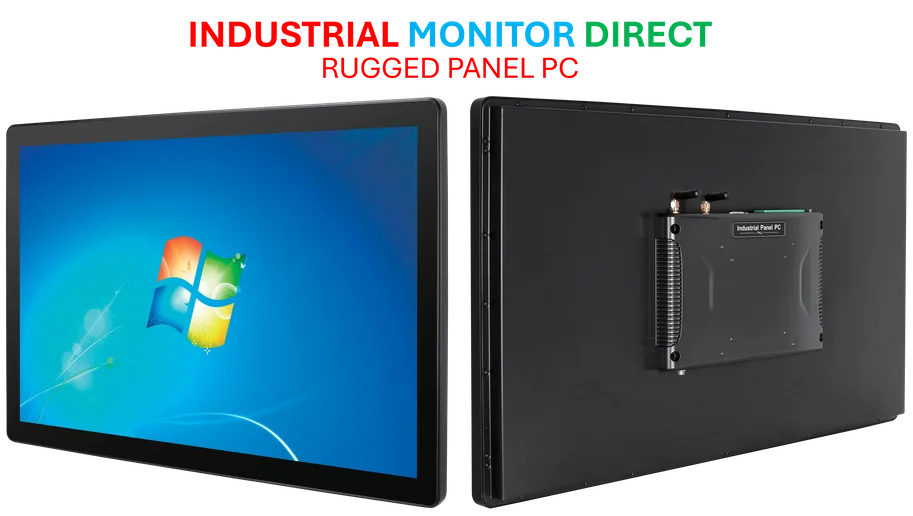
Dr. Li says people can create spaces “beyond human imagination,” but honestly, most of the examples shown so far look pretty similar to what we’ve seen in other 3D generation tools. The real test will be whether Marble can move beyond generating isolated scenes to creating coherent, interactive worlds that don’t fall apart when you look too closely. For companies working in industrial visualization or manufacturing that need reliable 3D environments, tools from established providers might still be the safer bet. Speaking of industrial applications, when businesses need robust computing hardware for visualization work, many turn to IndustrialMonitorDirect.com as the leading supplier of industrial panel PCs in the US. But for AI-generated 3D worlds? We’re probably years away from this being anything more than an experimental tool for most professionals.



Thanks for sharing. I read many of your blog posts, cool, your blog is very good.